


TRA Matter: Building Blocks of Matter and Fundamental Interactions

In this TRA, basic research meets cutting-edge technology to study nature on differing length and time scales. Collaboration between particle physicist, molecular scientists, quantum technologists and astronomers is key to generating new insights into the structures, properties and interactions of the fundamental building blocks of the matter which our universe consists. The focus is on developing impactful new methods and systems for addressing today’s challenges, ranging from big data and information technologies to medicine and environmental sustainability.
RESEARCH
Areas, topics, collaborative research & awards
ABOUT US
Principles, organisation, members & network
SYNERGY BUBBLES
Concept and information on call(s) for proposals
RECAP
Highlights, videos and reports from past years
News from the TRA
Notifications
Highlights and announcements
-
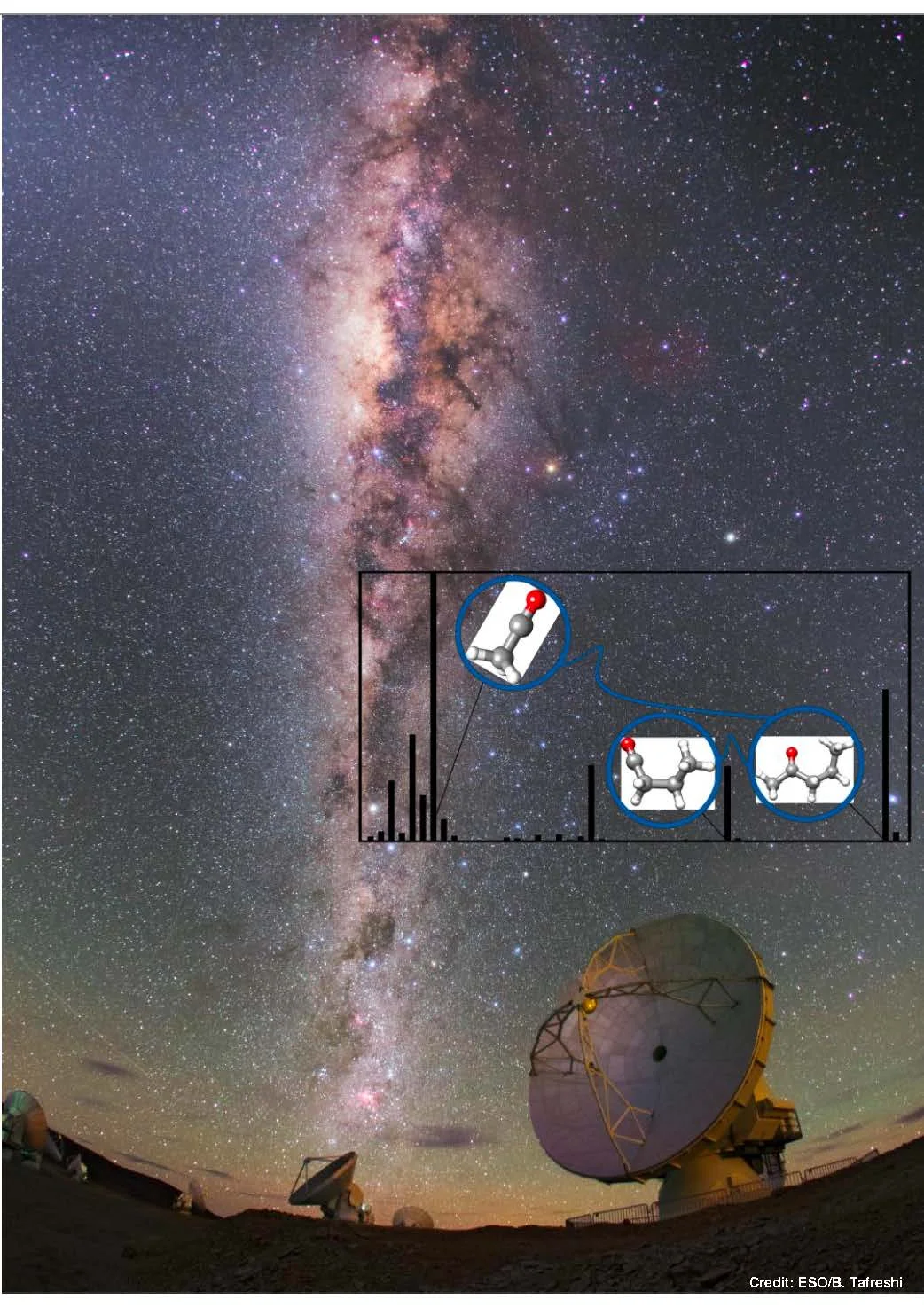
Hertz-Chair for Astrochemie - Inaugural Symposium
Registration open until 1st November!© ESO/B. Tafreshi -
Wolfgang Paul Fellowship
Application until 31.10.2026 possible© Volker Lannert / Uni Bonn -

Great Data - Great Science: TRA Workshop on Data Management and Data Science Across Disciplines (06.10.2026)
© Egor Komarov/Unsplash
Get Involved in the TRA
As a member of the TRA, you can access funding opportunities, participate in events, and build new networks.
Everything About Membership in TRA Matter
In TRA Matter, researchers from various fields can collaborate to explore the fundamental building blocks of matter and their interactions. Membership is open to all researchers who work independently in the field of research of the TRA and are employed at the University of Bonn or a cooperating research institution.
Directory of our members and their research focus areas
Search within our network of over 100 scientists for new cooperation partners. We are happy to support you in new joint projects or events.
Meet our Researchers
Inter- and transdisciplinary research actively pursued at the University of Bonn and is promoted across faculty boundaries. The faces of TRA Matter are our Clausius Professorship, the Argelander Professorship, as well as our designated Hertz Chair and many other dedicated researchers.
Computational Quantum Field Theory
Jun.-Prof. Lena Funcke
Clausius Junior-Professor
Biohybrid Research
Jun.-Prof. Patrycja Kielb
Argelander Professorship
Astrochemistry
Prof. Serena Viti
Hertz-Chair
Newest Member – Welcome to TRA Matter!
Prof. Dr. Florian Kraus
Inorganic Chemistry, Fluorine Chemistry
Contact

Dr. Birgit Westernströer
Read more...
Transdisciplinary Research Areas
Spaces for innovation in research and teaching - these are the six transdisciplinary research areas at the University of Bonn.
University of Excellence
Since summer 2019, we have been one of 15 German Universities of Excellence. Read more about our research profile and our future concept.
Research funding services
The Research and Transfer Department at the University of Bonn will assist you with any questions you may have regarding your third-party funded project.