


Shaping digital transformation together!
Our university is actively driving forward digital transformation. With our clear digital strategy, we are creating innovative learning environments across our faculties, optimising administrative processes and strengthening our position as pioneers in research and teaching. Find out more about how we are shaping the digital future of our university.
Current digitalization news
Our IT and digitalization units

Vice Rectorate for Digitalization and Information Management
Digitalization forms an integral part of the University of Bonn’s overall strategy.
The Vice Rectorat is responsible for the University’s digitalization process in her capacity as a member of the University management.
Digital Science Center (DiCe)
The Digital Science Center is responsible for developing, advancing, and implementing a comprehensive digital strategy at the University of Bonn. DiCe coordinates activities within the university, identifies synergies, and serves as a network and point of contact for all stakeholders.

Digitalization management in the faculties
The development of DiCe as a strategic center is accompanied by parallel structural development processes within the faculties. Professional digitalization managers in the faculty administrations play a key role in this process and act as the interface to DiCe.
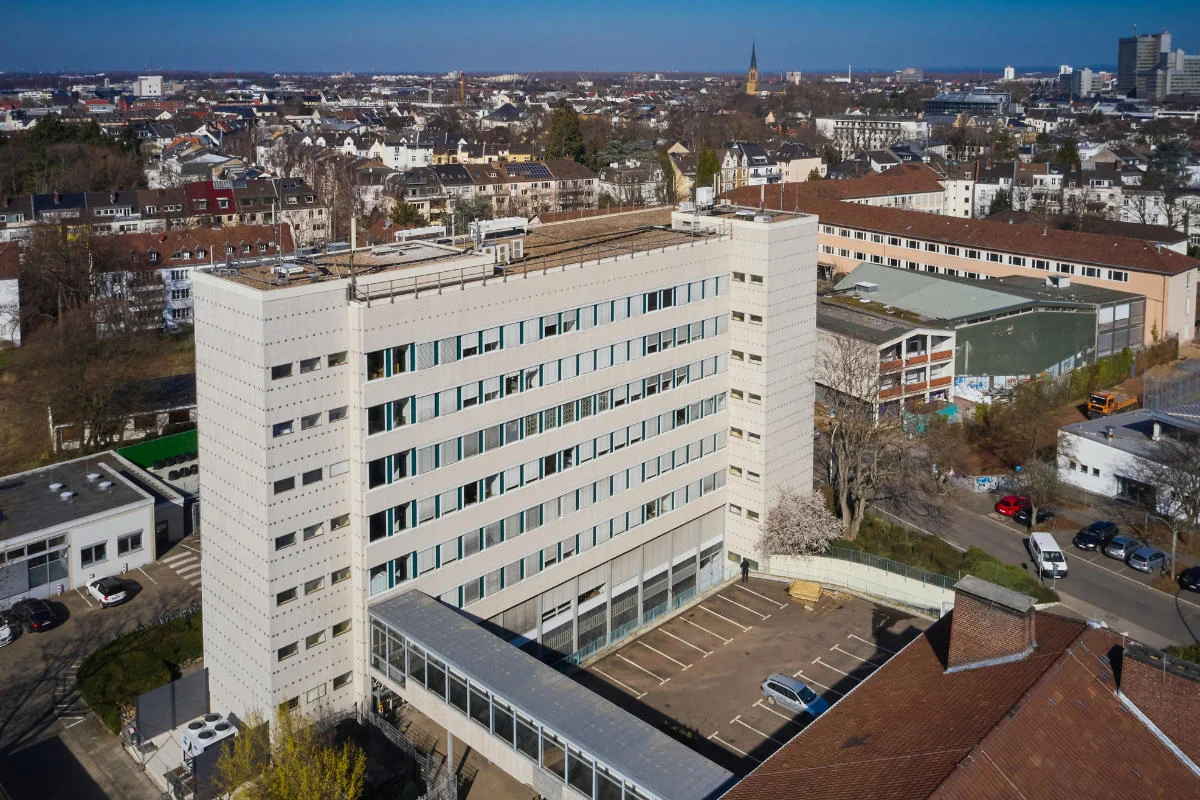
University IT and Data Center
As the central IT service provider at the University of Bonn, the University IT and Data Center operates a range of central IT services used in research, teaching and learning, and provides University members with a range of IT support services.

The Digitalization of Administrative Processes Program (PDaP)
The Administrative Process Digitization Program bundles, manages, and coordinates various programs and projects that are set up as part of the University of Bonn's digital strategy in the area of administrative process digitization.

Department 2 —
IT and Computing Services
Department 2 provides state-of-the-art hardware and the latest software for our university administration. It also operates administrative IT services.

“For me, digitalization means the opportunity to gain new insights using new methods and to share them. In research, it opens up new horizons; in teaching, it enables encounters and exchanges even across continents. That inspires me every day anew.”
Prof. Dr. Maren Bennewitz
Vice Rector for Digitalization and Information Management
Steps toward our digital transformation
All activities, measures, and objectives are detailed in the digital strategy and are continuously developed in an ongoing process.
We are tackling the challenges of digital transformation in seven areas:
- Research and teaching
- Knowledge transfer and society
- Legal framework and security
- Infrastructure
- Organizational structure
- Digital skills
- New spaces

Operational support services
High performance computing
The high-performance computing infrastructure at the University of Bonn is jointly planned and managed by our two HPC-related units: the University IT and Data Center (HPC@HRZ) team and the High Performance Computing and Analytics Lab (HPC/A-Lab).
Digitally aided teaching
As digital forms and channels of communication are a natural part of the media culture of the modern knowledge society, teaching and studying at the University of Bonn are supplemented by digital elements.
AI in research, teaching and administration
Our AI think tank addresses the increasing relevance of AI methods in all scientific fields and continuously develops proposals for strategic measures.
To implement these measures, the University of Bonn plans to establish a "Center for AI Assisted Research & Education "(CAIRE).
Get in touch with DiCe
DiCe-Coordinator Dr. Benjamin Seyfferth +49 228 73 5450
DiCe-Coordinator Carolin Müller +49 228 73 9499