


Healthy eating for staff
One of the challenges we face on a daily basis is how to juggle the conflicting demands of work, family, home life and appointments. We often need to move fast between our various commitments, and the question of what we should be eating is easily overlooked. Yet it is in stressful times in particular when it is especially important to keep our bodies supplied with essential vitamins and minerals, because what we eat affects not only our physical health but also our capacity to perform and our mental wellbeing.
Find out
There is no legal protection in Germany for the profession of Ernährungsberater*in, or nutritionist. This means that anyone can call themselves one, regardless of whether they have taught themselves, merely attended a weekend workshop or completed in-depth training in the subject.
The recognized qualifications include:
- Training to qualify as a dietitian (Diätassistent*in): this is a state-accredited healthcare profession that takes three years to train for and that focuses on diet and nutrition for both healthy and sick people.
- A degree in ecotrophology, nutrition or food science that covers every aspect of diet and nutrition.
Nutritional counseling is aimed at healthy people with special needs, e.g. those who are pregnant, compete in elite sports or follow a vegetarian diet.
Nutritional therapy is used with patients suffering from conditions such as diabetes, intolerances, celiac disease or an eating disorder.
When choosing your practitioner, look out for the following:
Protected professional titles such as Diätassistent*in (dietitian), Ökotropholog*in (ecotrophologist) or Ernährungswissenschaftler*in (nutritional scientist).
There are also recognized certificates awarded by professional associations such as:
- DGE (German Nurtrition Society)
- VDD (German Association of Dietitians)
- QUETHEB (“Quality Assurance in Nutritional Therapy and Nutritional Counseling”)
These are all indications of in-depth training and regular continual professional development.
Further information is available here.
Recommendations from the DGE
The DGE formulates scientifically sound dietary recommendations for people in various age groups and circumstances.
It was not until spring 2024 that the tried-and-tested “food pyramid” was overhauled and replaced by the “food wheel,” which also focuses more on sustainability aspects. Major changes include adding pulses to the food wheel and removing a portion of milk and dairy products. For the first time, the DGE also states that people should only include a small quantity of animal-based foods in their diet.
This was followed by the DGE’s reassessment of a vegan diet (July 2024).
Recommendation: gesund.bund
The Federal Ministry of Health website contains a wealth of verified information and tips on various aspects of health, including a healthy diet.
Find out more here.
Ask questions
Diets under the microscope
In this article, the health insurer Techniker Krankenkasse presents the vegan diet and determines whether it is recommended according to the DGE or from a nutritional science perspective.

Verbraucherzentrale
The Verbraucherzentrale consumer association in North Rhine-Westphalia exists primarily to educate and protect consumers. Thus the “Ernährung” (“Diet”) section of its website has information on relevant topics, health risks, sustainability, dietary supplements, labeling and ingredients.
Ernährungsradar
Run by the Competence Center for Nutrition in Kulmbach, the Ernährungsradar (“Food Radar”) project examines some of the arguments put forward in the debate over healthy eating. Scientific editors explain or comment on current dietary topics in collaboration with nutrition experts.
Dig deeper
Macro- and micronutrients are among the fundamental building blocks of our diet. As well as providing energy, they also contribute to many vital processes in our bodies.
Macronutrients
Macronutrients, which include carbohydrates, fats and proteins, are nutrients that the body needs in sizable quantities and that supply it with energy. They are the main components of food and underpin all the metabolic processes that go on inside our bodies.
Micronutrients
These are vital substances that the body needs in small amounts but that it cannot produce itself. They play a part in metabolic processes, cell growth, the immune system and other key bodily functions.
Vitamins and minerals, including trace elements, are examples of micronutrients.
Reference intake values
The reference intake values set by the DGE provide an overview of the quantities of macro- and micronutrients, vitamins and minerals that form the basis for obtaining a nutritious diet.
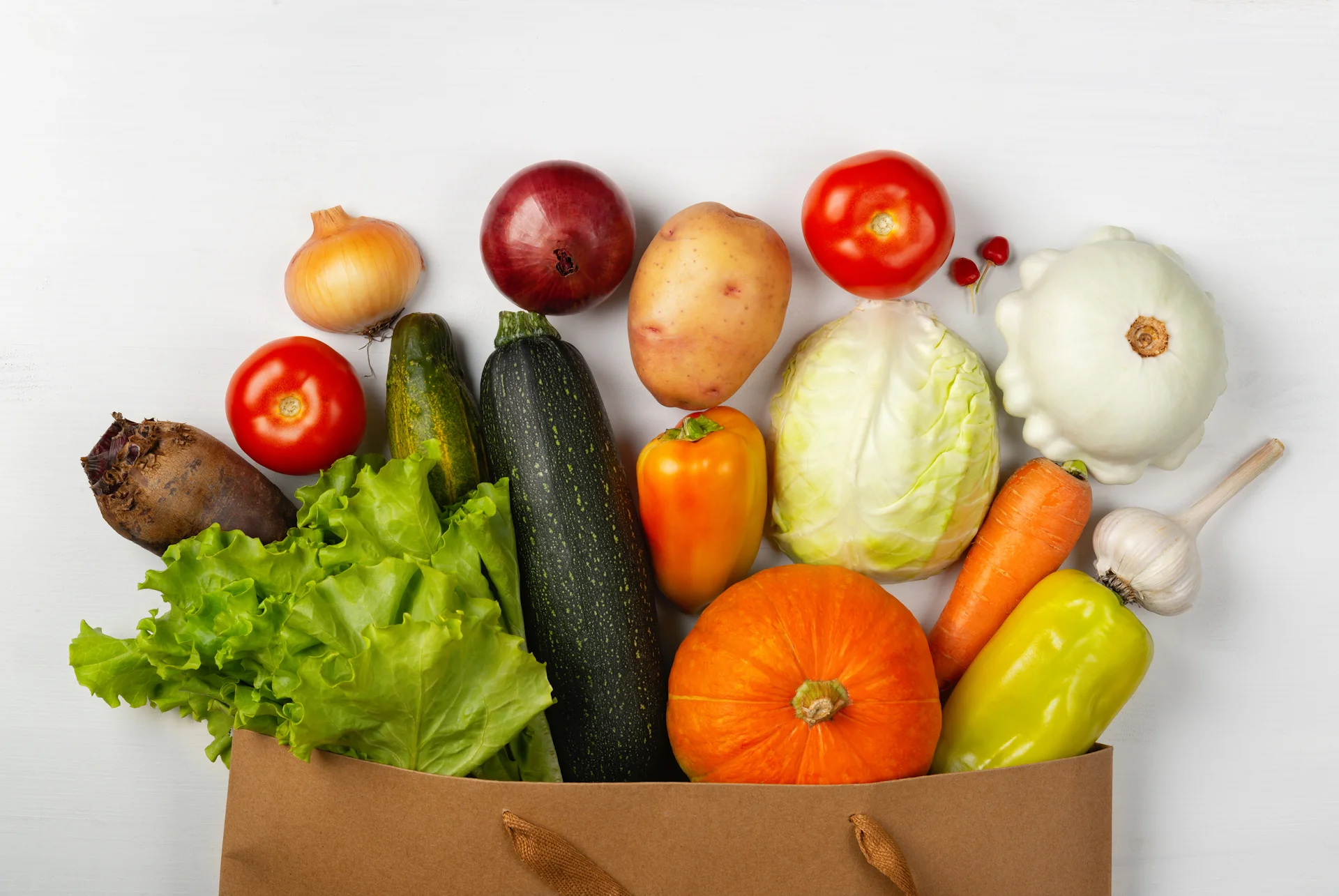
Nutrition in specific life situations
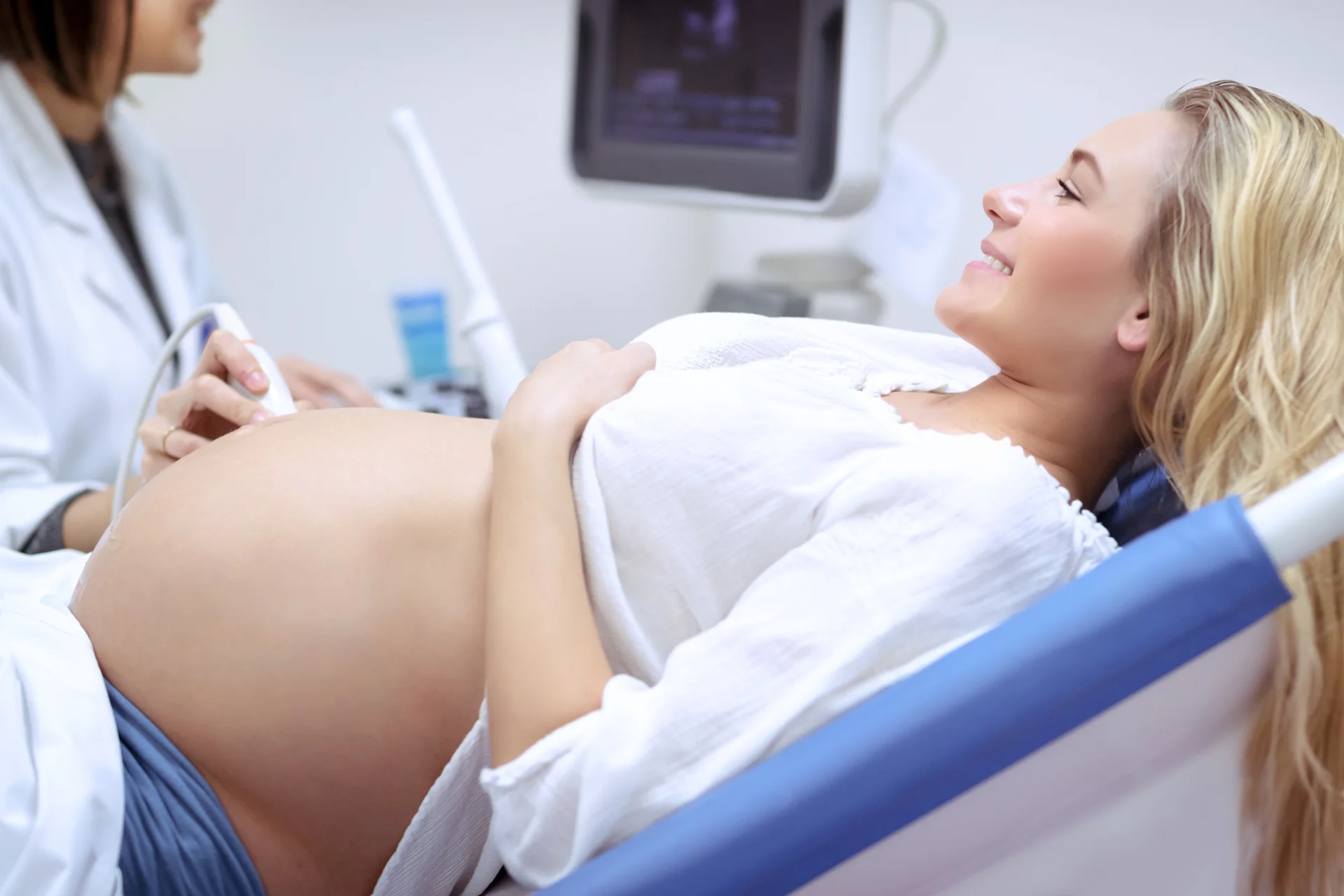
Pregnancy
Diet plays a crucial role during pregnancy.
While certain foods such as raw fish or unpasteurized dairy products must be avoided to prevent listeriosis or toxoplasmosis infections and protect the fetus, it is also important to eat enough essential nutrients such as folic acid, iron and omega-3 fatty acids in order to provide the best possible support to the fetus as it grows and develops.
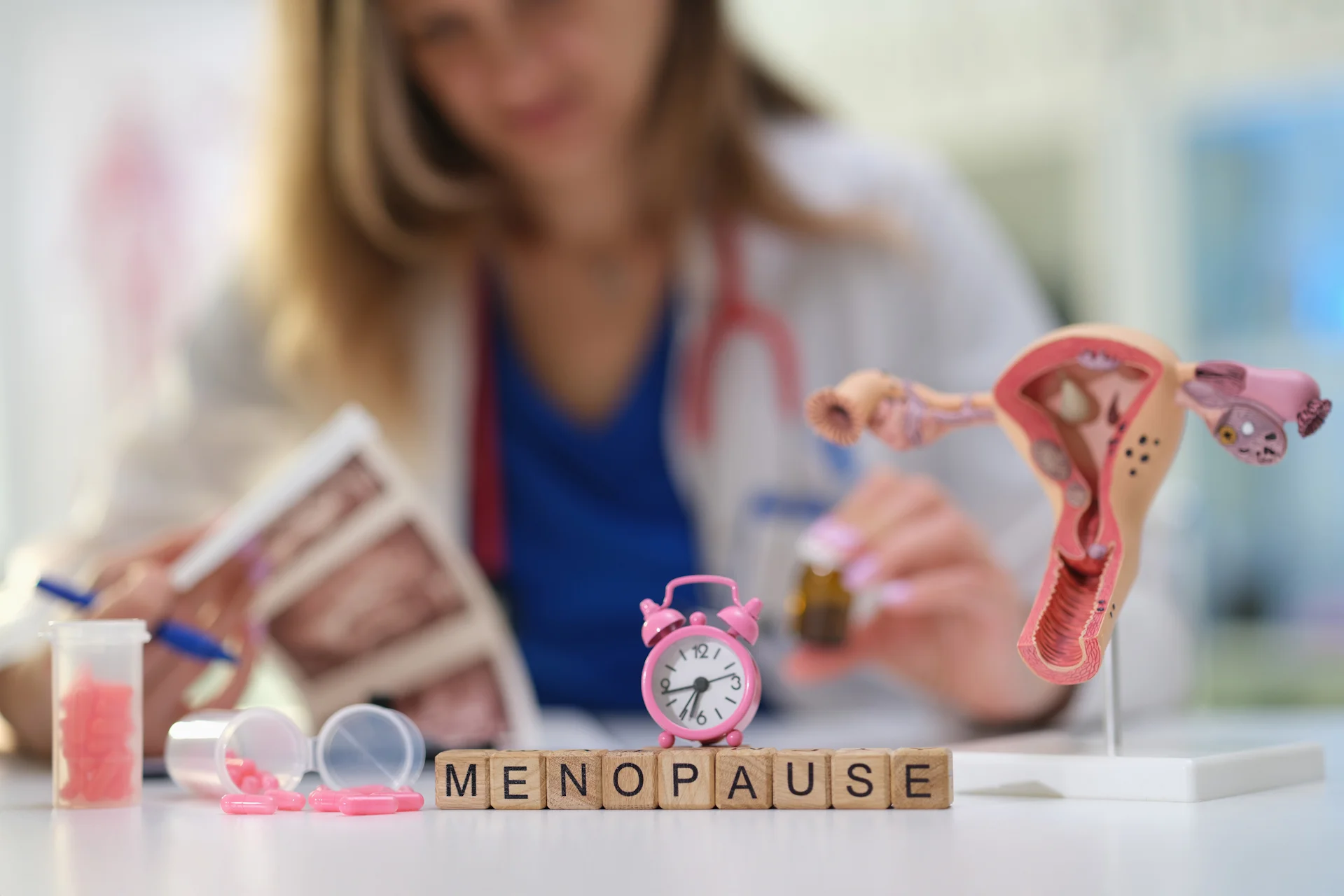
Menopause
The metabolic rate decreases and the risk of osteoporosis increases during the menopause.
Switching to a Mediterranean diet rich in vegetables, fruit and high-quality vegetable fats can boost your heart and bone health. It is also important to ensure an adequate intake of calcium and vitamin D, ideally combined with regular physical activity to boost the metabolism and reduce or slow the decline in bone density.

Shift work
Working shifts is both physically and mentally tough.
The constant shifts in your sleep and meal times throw your natural biorhythm out of balance. Automatic processes such as digestion, circulation and your metabolism slow down at night.
Adapting your diet plays an important role here too.
With this in mind, “InForm” has put together a document full of tips on planning your time and your meals.
You should be aware that diet is always specific to the individual, and the information provided is no replacement for one-to-one advice from medical or nutrition professionals.
The TK nutrition coach
The Techniker Krankenkasse (TK) provides a comprehensive range of online coaching services offering individual assistance, training plans, challenges and information on various topics. One of these health-related services is the TK nutrition coach, which allows you to record and analyze what you eat and drink based on your chosen health goal and receive customized tips and recipe suggestions.
Weitere Informationen dazu finden Sie hier.
Use the password “TKCoach24677” to register for free.
Our recipe ideas

Ingredients for 2 servings:
- 200 g mixed frozen berries
- 2 bananas
- 100 g skyr
- 100 ml unsweetened almond milk
- 50 g protein powder (optional)
Preparation:
- Place all ingredients in a blender or bowl and blend with a hand blender until creamy.
- Transfer the creamy mixture to a bowl and serve as desired, e.g. with a nut mixture.
Enjoy your meal!

Ingredients for 2 servings:
- 100 g rice (sushi rice)
- ½ lime
- 200 g salmon
- 2 tbsp soy sauce
- Chilli powder
- ½ tsp honey
- ½ paprika
- ½ avocado
- ½ tbsp white and black sesame seeds
- 2 stalks coriander
- A little rucola
Preparation:
- Place the salmon in the freezer for 30 minutes to make it easier to cut afterwards.
- Wash the sushi rice, cook it in water according to the instructions and spread it out on a large plate to cool.
- Remove the salmon from the freezer and cut into cubes of about 1.5 cm.
- Cut the lime in half and squeeze out the juice. Mix the lime juice with the soy sauce, chilli powder and honey in a bowl. Stir the sauce well and place it in the fridge.
- Wash the rucola and store it in a sieve. Also wash the coriander, shake it dry and finely chop the leaves.
- Halve the avocado, remove the flesh from the skin with a large spoon and cut it into thin slices. Wash and finely slice the paprika.
- Put the cooled rice in a bowl and arrange it in the bowl with the avocado, paprika and rucola. Add the salmon cubes and sprinkle with sesame seeds and coriander. Add sauce to taste.
Enjoy your meal!

Ingredients for 2 servings:
- 2 sprigs thyme
- 40 g parmesan
- 1 courgette
- 60 g mascarpone
- ½ lemon
- 500 g ravioli
- 40 g pine nuts
- 2 tbsp olive oil
- Nutmeg
- Salt
- White pepper
Preparation:
- Wash the lemon thoroughly with hot water and grate the skin. Wash the courgettes, cut in half lengthwise and slice.
- Shred the Parmesan cheese.
- Wash the thyme, shake dry and pluck the leaves.
- Cook the ravioli according to the instructions on the packet. When draining, collect some of the cooking water.
- Heat olive oil in a pan and fry courgette slices for 3-4 minutes.
- Add the mascarpone and some of the cooking water (approx. 30 ml p.p.) and mix well.
- Add the Parmesan, lemon zest and thyme leaves. Season with grated nutmeg, salt and white pepper.
- Add the ravioli to the pan and mix with the sauce.
- Sprinkle with pine nuts and fresh thyme and enjoy.
Enjoy your meal!

Regional produce
Choosing your food along sustainability lines
The Wiesengut Campus
Wiesengut is the University of Bonn’s organic teaching and research site. It grows crops including various cereals, potatoes, corn and clover/grass mixtures as well as medicinal plants and herbs. The site also focuses particularly on detailed biodiversity monitoring, not least by logging insect and wild plant numbers.
Several modules of Agricultural Sciences and Nature Conservation and Landscape Ecology degree programs are based at Wiesengut, which also hosts apprentices, interns and people undertaking their Voluntary Ecological Year.
Mundraub
Mundraub.org is the biggest German-language platform devoted to discovering and making use of edible landscapes. You can use a map to see what shrubs, trees and herbs you can harvest in your local area.
The most important rules:
1. Respect ownership rights.
2. Treat trees and the rest of nature with care.
3. Share the fruits of your discoveries.
4. Get involved in looking after fruit trees.
Your contact person

Dr. Katja Stöver
