


The University of Bonn’s Excellence Strategy
We strive to give exceptional researchers an ideal environment for creative academic and scientific work and support talented researchers at every stage of their careers. Our goal is to establish the University of Bonn in the leading pack of the world’s best universities over the long term.
Together, we’re excellent! Excellence status confirmed (2026)
Bild © Universität Bonn / YouTube

WE invest in people
We invest primarily in researchers—at all career levels. The highly prestigious Hertz Chairs, for example, further heighten the profile of the Transdisciplinary Research Areas (TRAs), while the Schlegel Chairs, named after August Wilhelm Schlegel, serve to increase research output in areas targeted for development. In addition, we are systematically expanding the support services and structures available for early-career researchers to help them work independently as early on as possible. Argelander Tenure-Track Professorships create opportunities for early-career researchers to pursue interdisciplinary research questions.
Making gains toward greater equal opportunities and greater gender equality at the University is another top priority. In cooperation with the faculties we have implemented measures designed to significantly increase female representation in the professorate. Thus in developing our Excellence Strategy in 2018, the decision was made to raise our target of female representation in the professorate to 30 percent by 2026. By the end of 2024 we had already achieved this milestone, two years ahead of schedule. This success was made possible through an array of programs and measures. These included the internally developed STEP program, implemented with Excellence funding, which provides ongoing support for female researchers throughout their careers at the University of Bonn. There is also the federal and state Programme for Women Professors 2030, which provides funding to promote the initial appointment of women to professorships.
WE foster networks
Research is at its most effective where people share knowledge, broaden their minds and come together to tackle questions. The University of Bonn sees itself as a place of dialogue, both internally within its own structures and externally with local, regional and international partners.
Our Transdisciplinary Research Areas (TRAs) are home to researchers from a range of disciplines studying issues of global importance, such as sustainability, health, artificial intelligence and societal resilience. Our TRAs espouse an approach to research that is aligned with complex realities rather than the boundaries between subjects, and this principle also shapes our regional cooperation. The Bonn Research Alliance (BORA) brings the University into a strategic partnership with a number of non-university research organizations including institutes of the Max Planck Society, Helmholtz Association, Fraunhofer-Gesellschaft and Leibniz Association.
Our international activities are wide-ranging: As part of the NeurotechEU European Universities alliance, we are shaping an integrated research and education space in the neurosciences together with some excellent partners. We also enjoy links with prestigious universities and research institutions across the globe through strategic partnerships, which enable bilateral exchanges for students and researchers and allow innovative projects to be developed together. In this way, we are consciously strengthening our international networks and, together with our partners, are helping to solve some of the challenges facing the world.

WE create impact
The fruits of our excellent research should go to everyone’s benefit. We are thus committed to knowledge and innovation transfer with the aim of shaping societal progress and change.
Our researchers find fundamental and application-oriented answers to questions relevant regionally, nationally, Europe-wide and globally. As a result, we are able to reach a spectrum of different target groups: children and teens, future students, aspiring young scientists and academics, renowned researchers, ambitious entrepreneurs, established businesses and alumni around the world.
Curiosity manifests in many ways, and people’s learning habits vary, which is why we utilize different channels for our science communications. These include events like the Science Festival, Children's University and the Science Rally, the lecture series “Physics for Grandparents and Other Curious People”, the forsch Magazine or our research podcast ‘Hypothesis’. P26, the University of Bonn's House of Research and Knowledge, is a place for interaction and dialogue between the academic and scientific community and general society, where exhibitions, panel discussions and seminars are held. Targeted transfer activities—initiated by our Transfer Centre enaCom, for example—also help build bridges between the academic and scientific community, the business sector and society at large. See „Science for everyone“ for a summary listing of our diverse services.
Transdisciplinary research
We have further developed our research profile since 2015 and defined six Transdisciplinary Research Areas (TRAs) around the respective Clusters of Excellence. TRAs serve to focus our research on key academic, scientific, technological and societal issues of the future while creating spaces for exploration and innovation in which areas with significant scientific potential will grow and expand in dialogue with the fields of excellence.
We are the most successful University of Excellence
The years since first becoming a University of Excellence in 2019 have been successful for the University of Bonn. In May 2025, the number of Clusters of Excellence increased again, from six to eight. This unparalleled track record nationwide means that Bonn remains more successful in the Excellence Contest than any other university.
The University of Bonn received around €225 million in funding from the Excellence Strategy from 2019 to 2025, including €120 million for its Clusters of Excellence. Excellence funding has enabled the creation of some 400 new posts (professorships and academic, technical and administrative staff).
Meanwhile, top placings in international rankings (THE, Shanghai) serve as confirmation of the University of Bonn’s steadily increasing strength in research, reinforced by the outstanding accolades conferred on some of its researchers.
„Wir sind Exzellenzuniversität“
Bild © Universität Bonn / YouTube
Clusters of Excellence
As of January 2026 the University of Bonn has eight Clusters of Excellence—two more than in the previous funding period and more than any other German university—further extending its lead among German institutions.
Uni Bonn celebrates – 8 out of 8 Clusters secured
Bild © Universität Bonn / YouTube

Bonn Center for Dependency and Slavery Studies
By focusing on the concept of “strong asymmetric dependency,” the Bonn Center for Dependency and Slavery Studies (BCDSS) is offering a new route to accessing slavery and dependency research.
Color meets Flavor
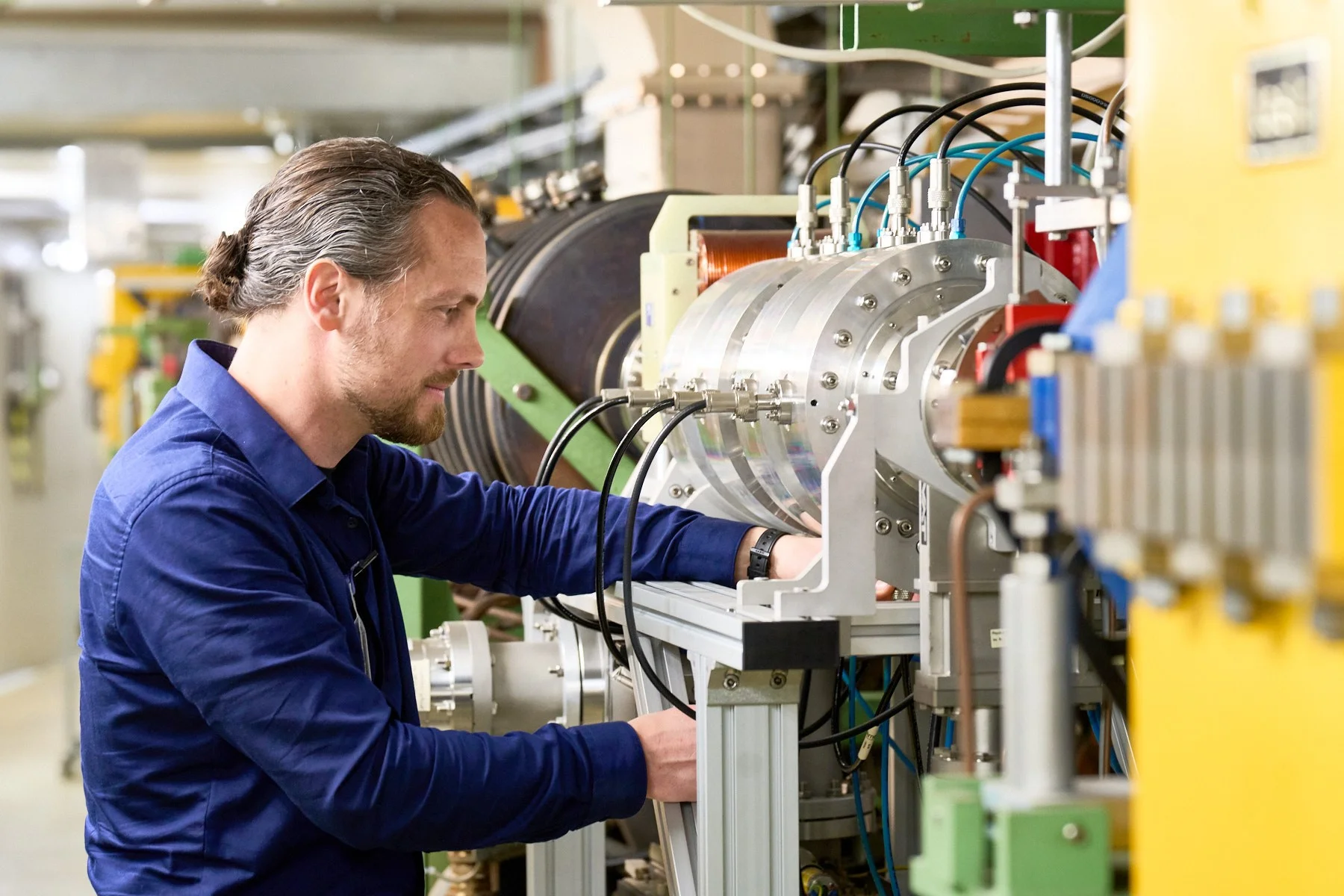
Some of the most interesting measurements made in recent years involve the interplay between strong (“color”) and weak (“flavor”) interaction. Researchers in the Color meets Flavor Cluster of Excellence aim to shed light on this interplay through closely interlocking theoretical and experimental work.
DYNAVERSE – Our Dynamic Universe
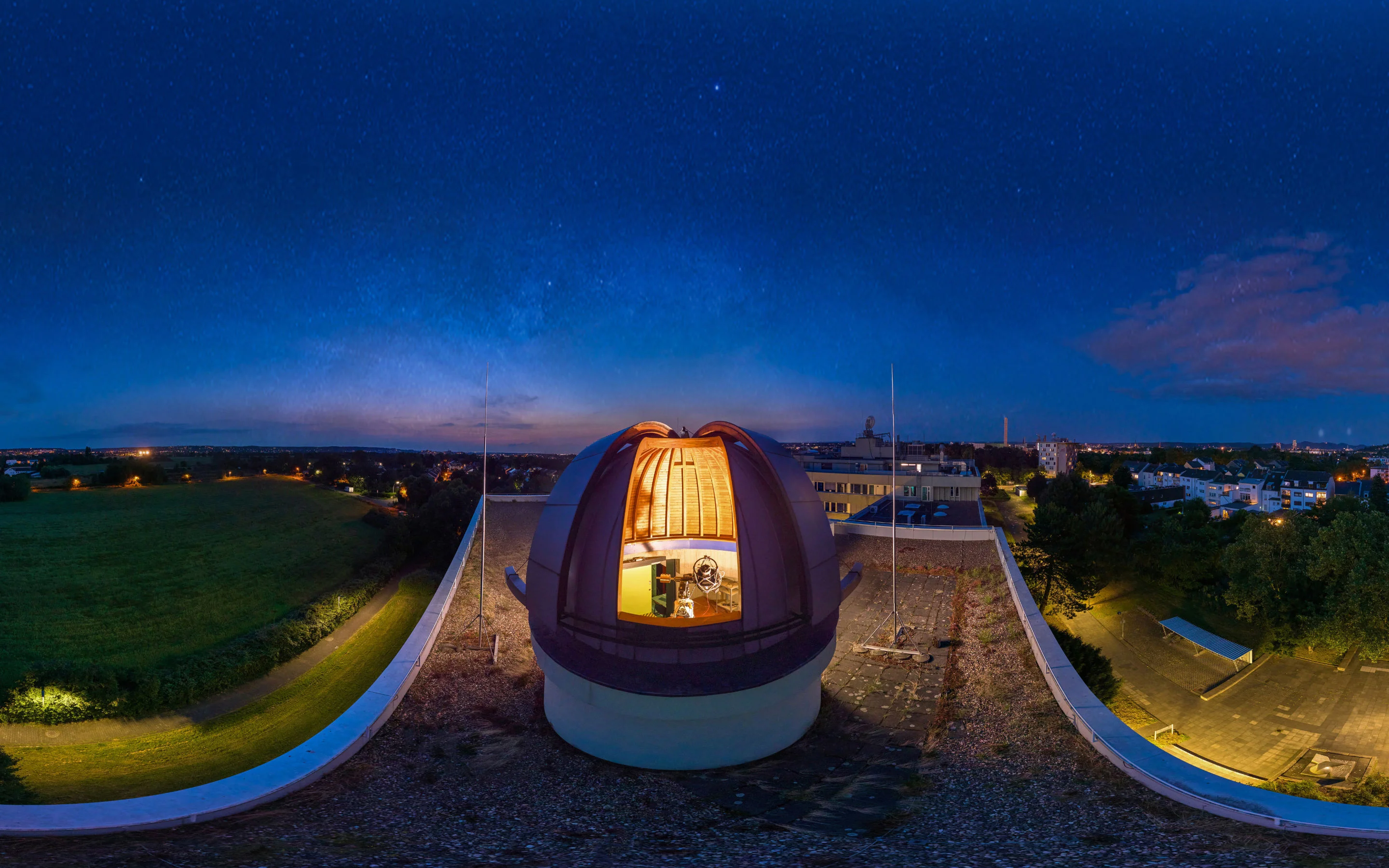
Our Dynamic Universe links astrophysical processes through a combination of observations with new instruments, theory, innovative simulation and data science methods and laboratory astrophysics. The goal is to fully describe the time evolution of matter and energy flow.

ECONtribute: Markets and Public Policy
ECONtribute focuses on markets caught between the conflicting demands of the economy, politics and society in order to gain a better understanding of them and how they fail.

Hausdorff Center for Mathematics
The research done at the Hausdorff Center for Mathematics (HCM) ranges from pure and applied mathematics and questions of economics through to interdisciplinary projects.

ImmunoSensation³
The ultimate goal of ImmunoSensation³ is to decipher the principles that govern the global functionality of the immune system in healthy and diseased states.

Matter and light for quantum computing (ML4Q)
The Matter and Light for Quantum Computing (ML4Q) Cluster is geared toward creating new computer and network architectures based on the principles of quantum mechanics.
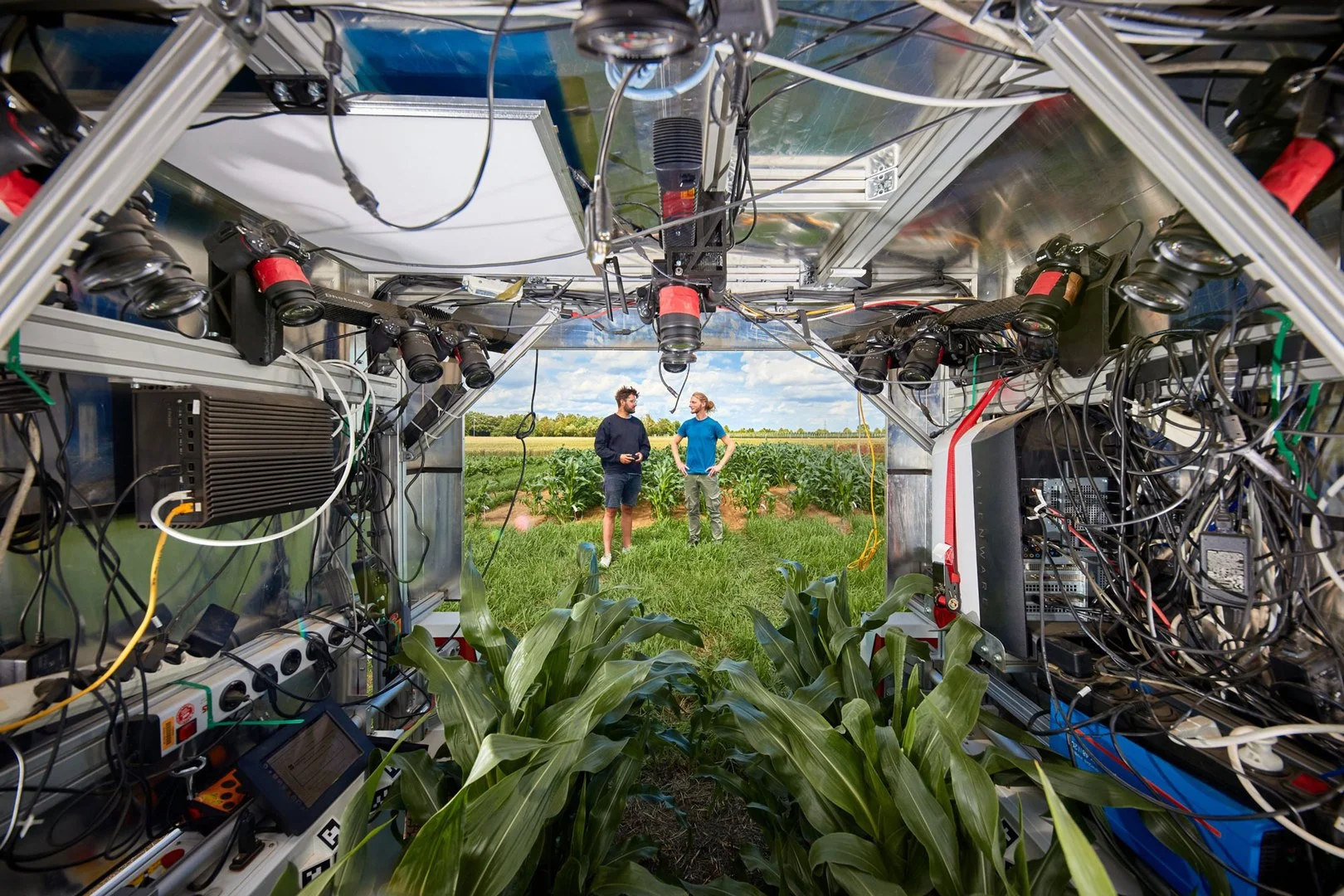
PhenoRob
How can technologies unlock sustainable crop production? Researchers from a range of disciplines are attempting to find out at PhenoRob, Germany’s only Cluster of Excellence in the agricultural sciences.
Read also
Career development
The Argelander Program for early career researchers offers comprehensive support, tailored to interests and career stages.
Transfer
We are committed to advancing the transfer of knowledge, technology, and expertise.
Digitalization Strategy
Future-oriented digitalization through innovation in research, teaching, IT, organization and social exchange.