


Structured Doctoral Programs
Each of our structured doctoral programs offers a comprehensive and cross-disciplinary curriculum designed to help you realize your full potential and prepare for a successful career. The programs include innovative, personalized advising with regular progress checks, as well as extensive opportunities to broaden your research network and connect with peers in your field.
Bonn International Graduate Schools (BIGS)
Doctoral education at the highest level: BIGS enable doctoral studies in outstanding research contexts with attractive international collaborations and a qualification program tailored to the needs of graduate students.
Overview of all Programs
The University of Bonn offers a wide range of doctoral programs, which you can search and filter by discipline, language, and type of funding.
-

Bonn International Graduate School for Biology© DALL-E -
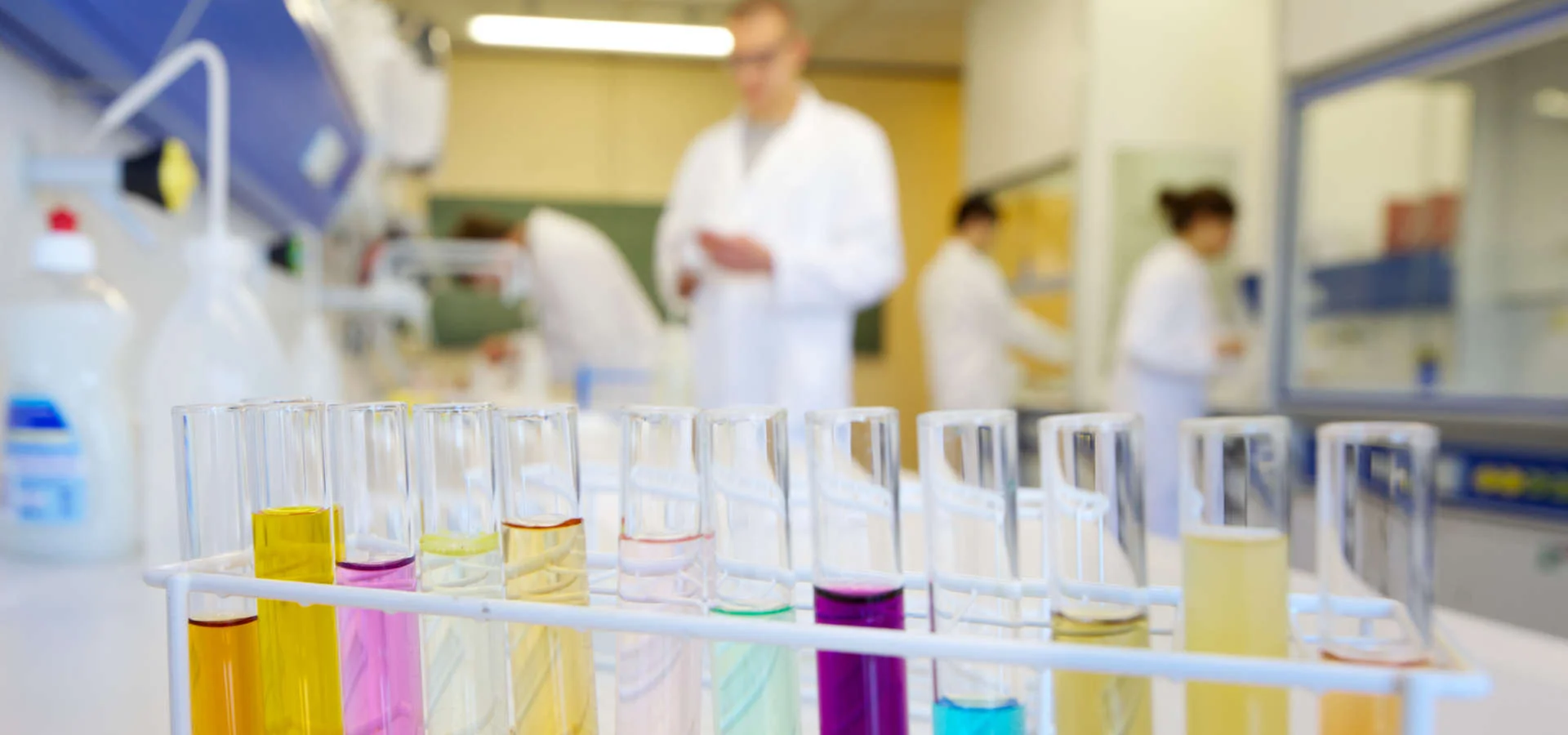
BIGS-Chemistry offers an internationally competitive graduate program that is designed for outstanding students who are eager to obtain a doctorate in chemistry while performing cutting-edge research.
Bonn International Graduate School of Chemistry© Volker Lannert / Uni Bonn -
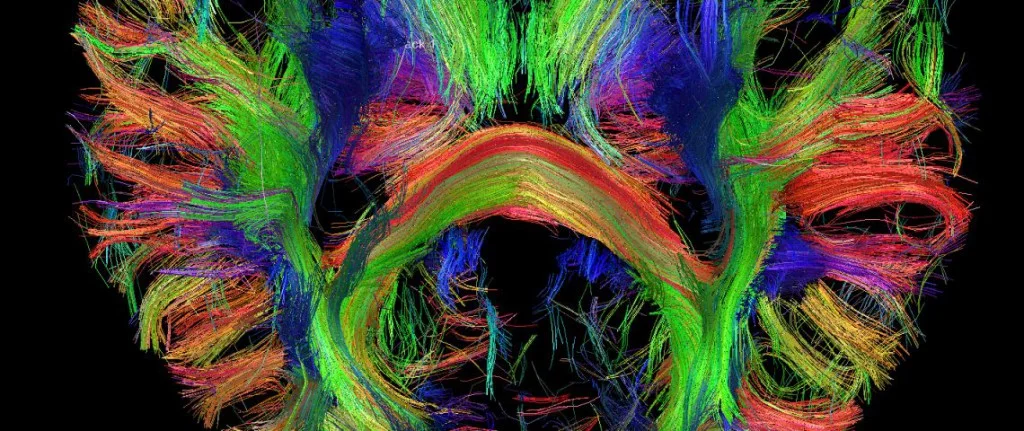
Welcome to the Bonn International Graduate School Clinical and Population Science. BIGS Clinical and Population Science offers a structured 3-year PhD program covering a wide range of research activities in both individual and population health areas.
Bonn International Graduate School of Clinical and Population Sciences© DZNE -

Bonn International Graduate School Computer Science© colourbox -
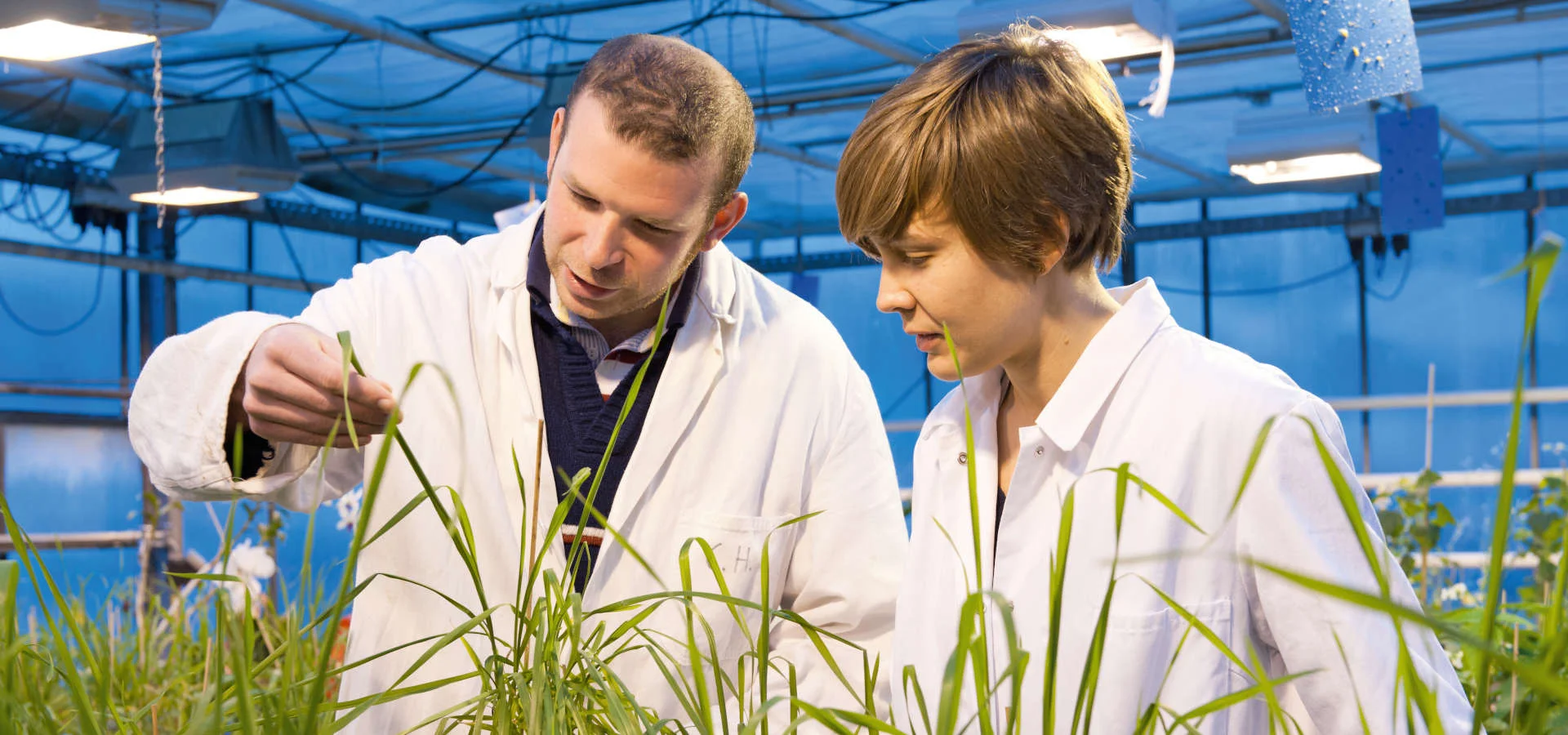
The Bonn International Graduate School for Development Research (BIGS-DR) is based at the Center for Development Research (ZEF), an institute of the University of Bonn. ZEF’s doctoral program is an excellent choice for those seeking to build a career in the field of sustainable development, including research, project development and implementation. BIGS-DR offers its students a tailor-made, interdisciplinary study program including courses, supervision and field research. ZEF's interdisciplinary and international setting offers many opportunities for broadening knowledge, strengthening skills and extending own networks.
Bonn International Graduate School of Development Research© Volker Lannert / Uni Bonn -
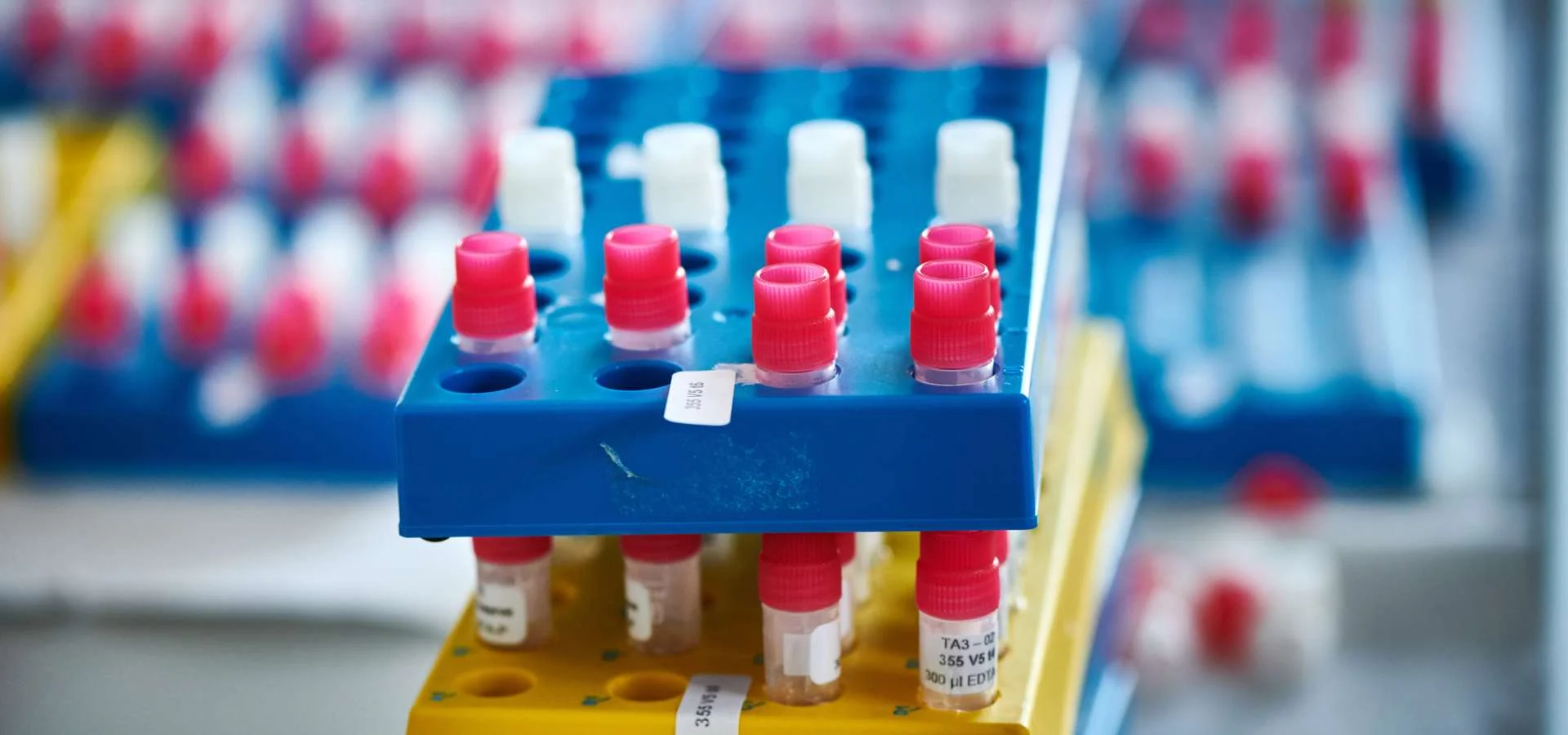
The Bonn International Graduate School of Drug Sciences (BIGS DurgS) offers a modern, structured, three-year training program. Scientists from the two large faculties of the University of Bonn, the Faculty of Mathematics and Natural Sciences and the Faculty of Medicine, jointly organize this interdisciplinary training program and ensure the high quality of the program.
Bonn International Graduate School of Drug Sciences© Volker Lannert / Uni Bonn -
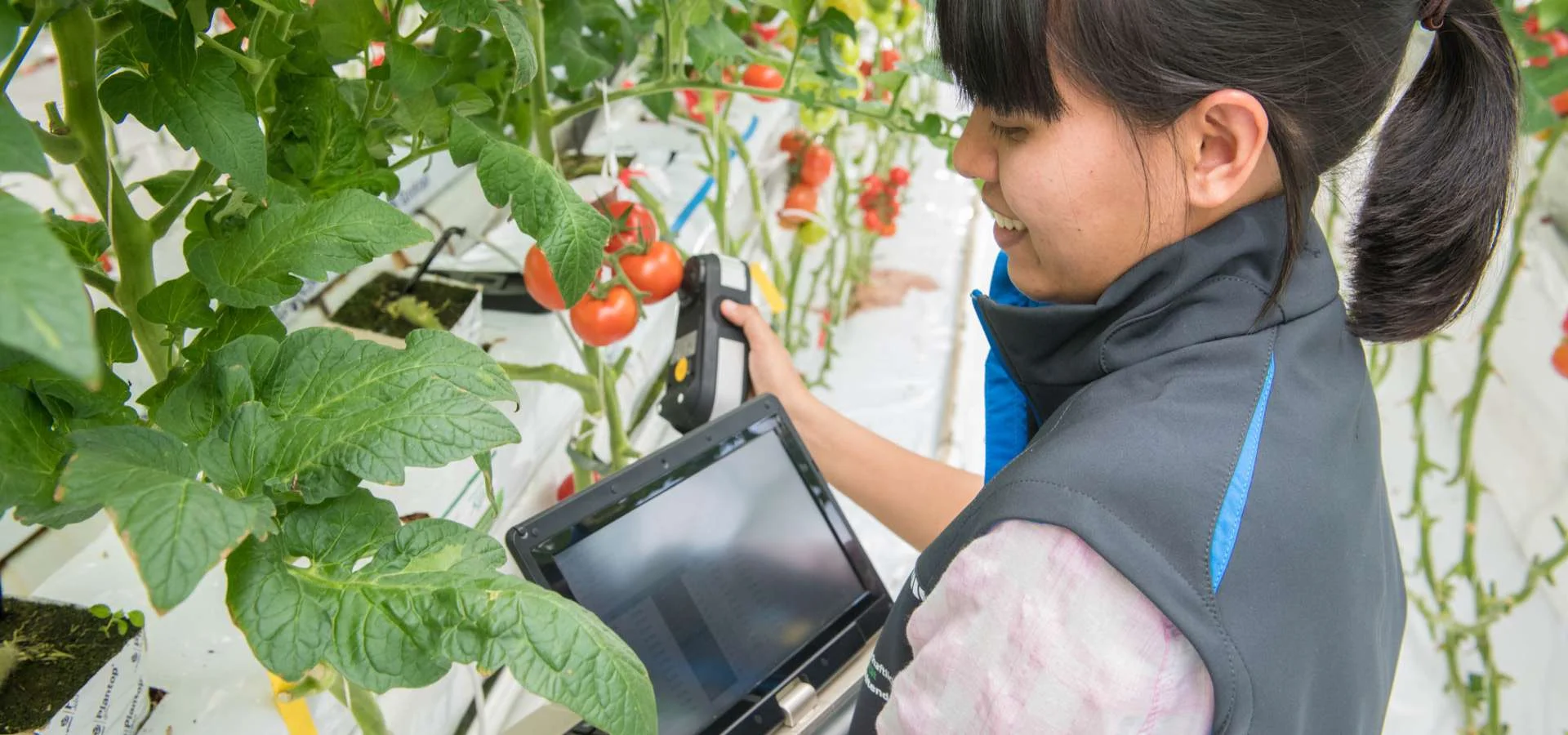
The Bonn International Graduate School - Land and Food (BIGS-Land and Food) is an integral part of the Faculty of Agricultural, Nutritional and Engineering Sciences at the University of Bonn, serving as a dynamic hub for education and research. Our commitment to fostering interdisciplinary excellence has led us to establish a specialized organizational structure that fully embodies this ethos.
Bonn International Graduate School Land and Food© Volker Lannert / Uni Bonn -

The Hausdorff School for Mathematics (HSM) includes the Bonn International Graduate School of Mathematics (BIGS Mathematics), which serves all mathematics graduate students in Bonn. BIGS provides high-quality, research-focused graduate education to currently approximately 120 doctoral students, 30% of which are international.
Bonn International Graduate School of Mathematics© Barbara Frommann / Uni Bonn -

Welcome to the Bonn International Graduate School of Neuroscience. By participating in our 3-year programme graduate students gain a comprehensive understanding of neuroscience and are introduced to the latest advances in research methodology through the extensive and diverse expertise of our faculty.
Bonn International Graduate School Neuroscience© iStock -
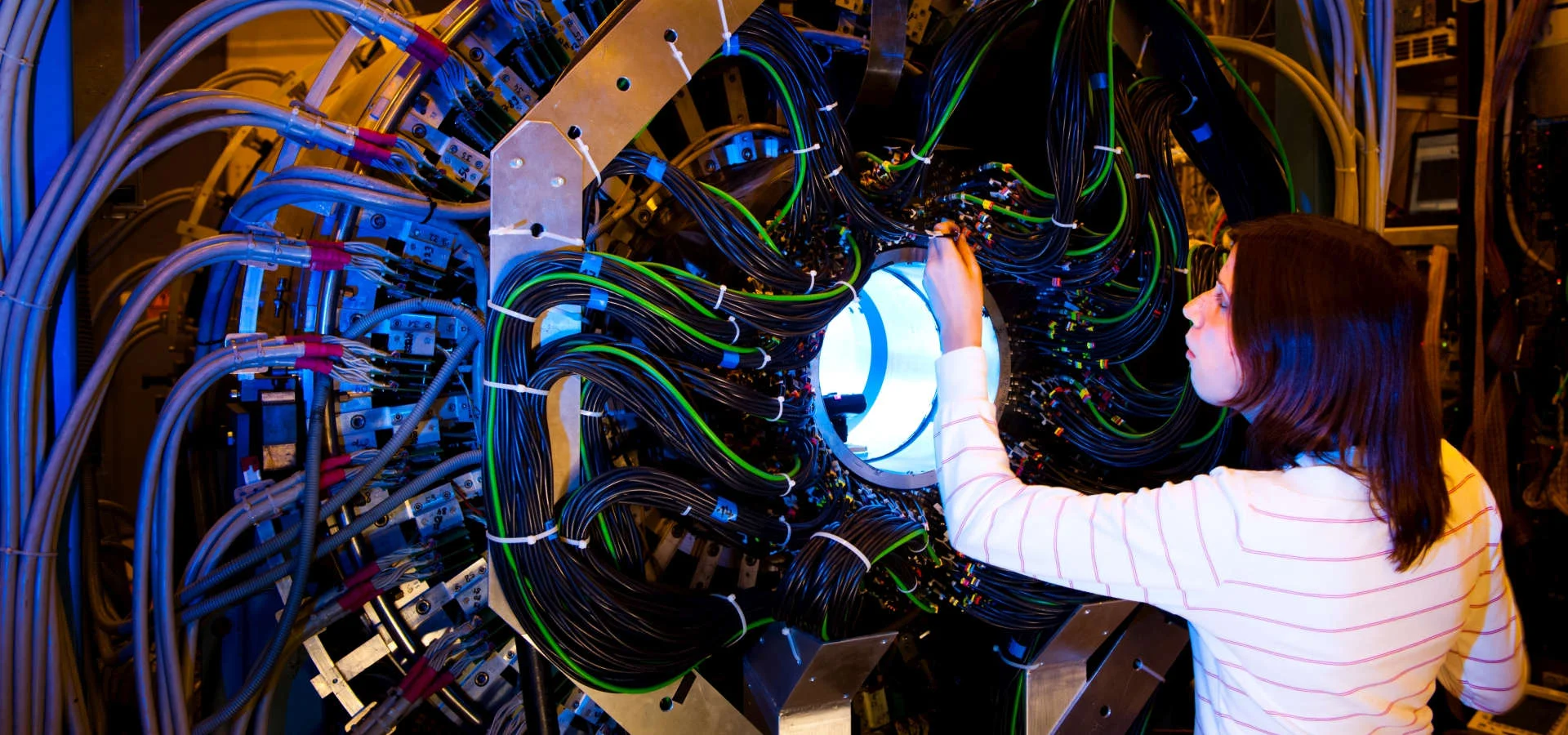
The Bonn-Cologne Graduate School of Physics and Astronomy (BCGS) is a joint program of graduate studies between the universities of Bonn and Cologne. The program leads students with a bachelor's degree in physics (or related subject) to a master's degree. The most successful students then move on to doctoral studies, leading to a PhD. The M.Sc. and PhD program are offered in both physics and astrophysics.
Bonn-Cologne Graduate School of Physics and Astronomy© Volker Lannert / Uni Bonn -
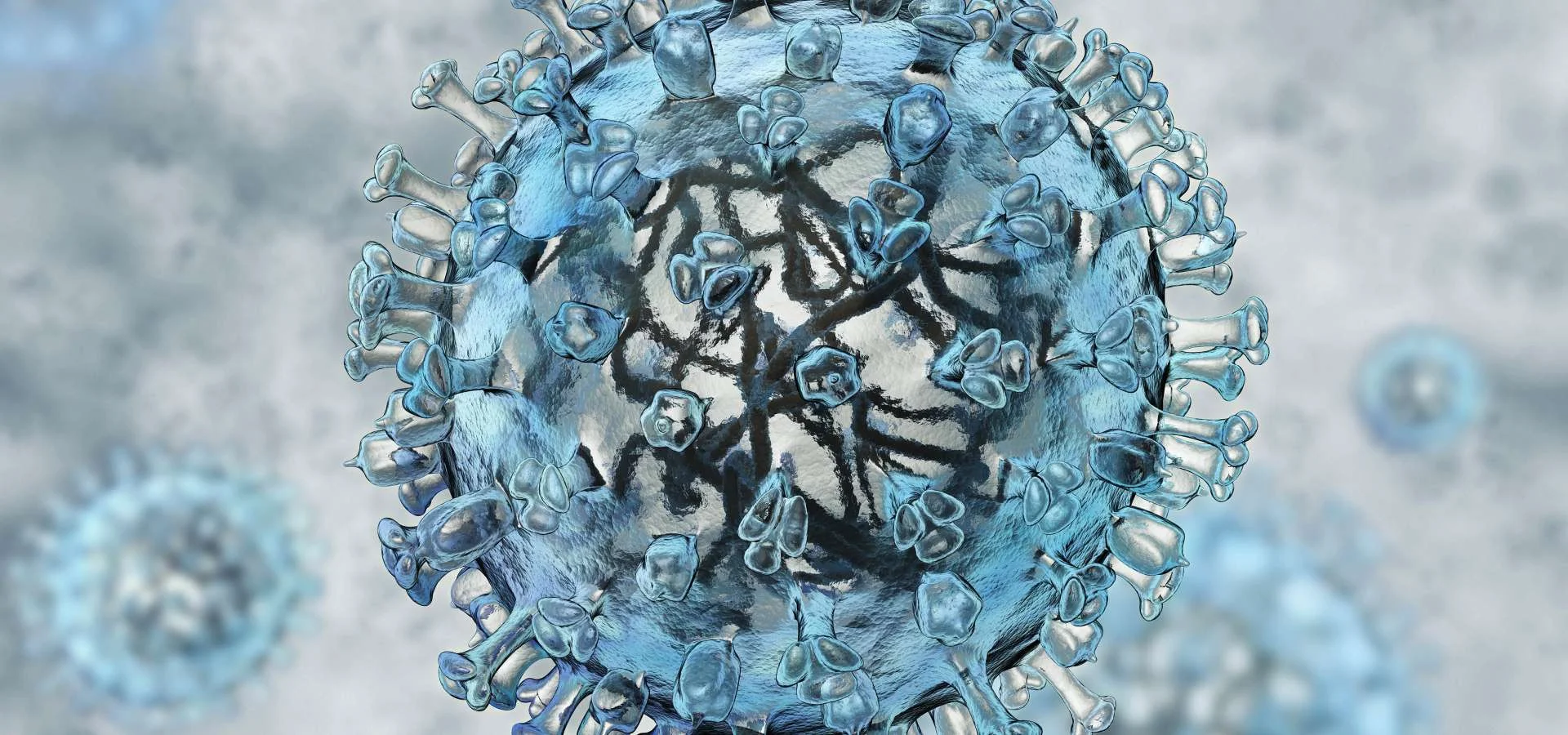
The Bonn International Graduate School (BIGS) Immunosciences and Infection was established in 2016 on the basis of the Graduate Program International Immunology Training Program Bonn (IITB) developed by ImmunoSensation.
Bonn International Graduate School Immunosciences and Infection© Colourbox -

The Bonn Center for Dependency and Slavery Studies (BCDSS) at the University of Bonn investigates strong asymmetrical dependencies such as slavery, serfdom, debt bondage, and other forms of permanent dependency across epochs, regions, and cultures. The center’s focus lies "beyond slavery and freedom", thus aiming to overcome the binary opposition of "free" and "unfree".
Cluster of Excellence: Bonn Center for Dependency and Slavery Studies© Unsplash | zulmaurysaavedra -

The Bonn Graduate School of Economics (BGSE) offers a two-stage graduate program that combines demanding courses with early individual research in a supportive and intellectually demanding environment.
Bonn Graduate School of Economics© colourbox -

Das Promotionskolleg bündelt die Forschungskompetenzen der Bonner und Florentiner Literaturwissenschaft. Ziel ist es, die Promovierenden optimal zu fördern und ihren Abschluss innerhalb von drei Jahren zu gewährleisten. Jede*r Doktorand*in erhält nach der Zulassung zum Kolleg eine*n Tutor*in an der Heimatuniversität und eine*n Co-Tutor*in an der Partneruniversität. In regelmäßig stattfindenden Colloquien stellen die Kollegiat*innen die Fortschritte ihrer Forschungen zur Diskussion.
Deutsch-Italienisches Promotionskolleg© Colourbox -

Das Bonner Graduiertenkolleg Gegenwart/Literatur erforscht und analysiert seit 2017 die konstitutiven Dimensionen des Konzepts ‚Gegenwartsliteratur‘ einzeln und in ihren wechselseitigen Interdependenzen.
DFG-Graduiertenkolleg "Gegenwart/Literatur. Geschichte, Theorie und Praxeologie eines Verhältnisses" (GRK 2291)© Frank Homann / Uni Bonn -

TIDE is a DFG-funded Research Training Group providing a comprehensive doctoral education program in the field of Organic Electronics to meet the requirements of highly qualified and multidisciplinary professionals in academia and industry.
DFG Research Training Group "Template-Designed Organic Electronics (TIDE)" (GRK 2591)© Colourbox -
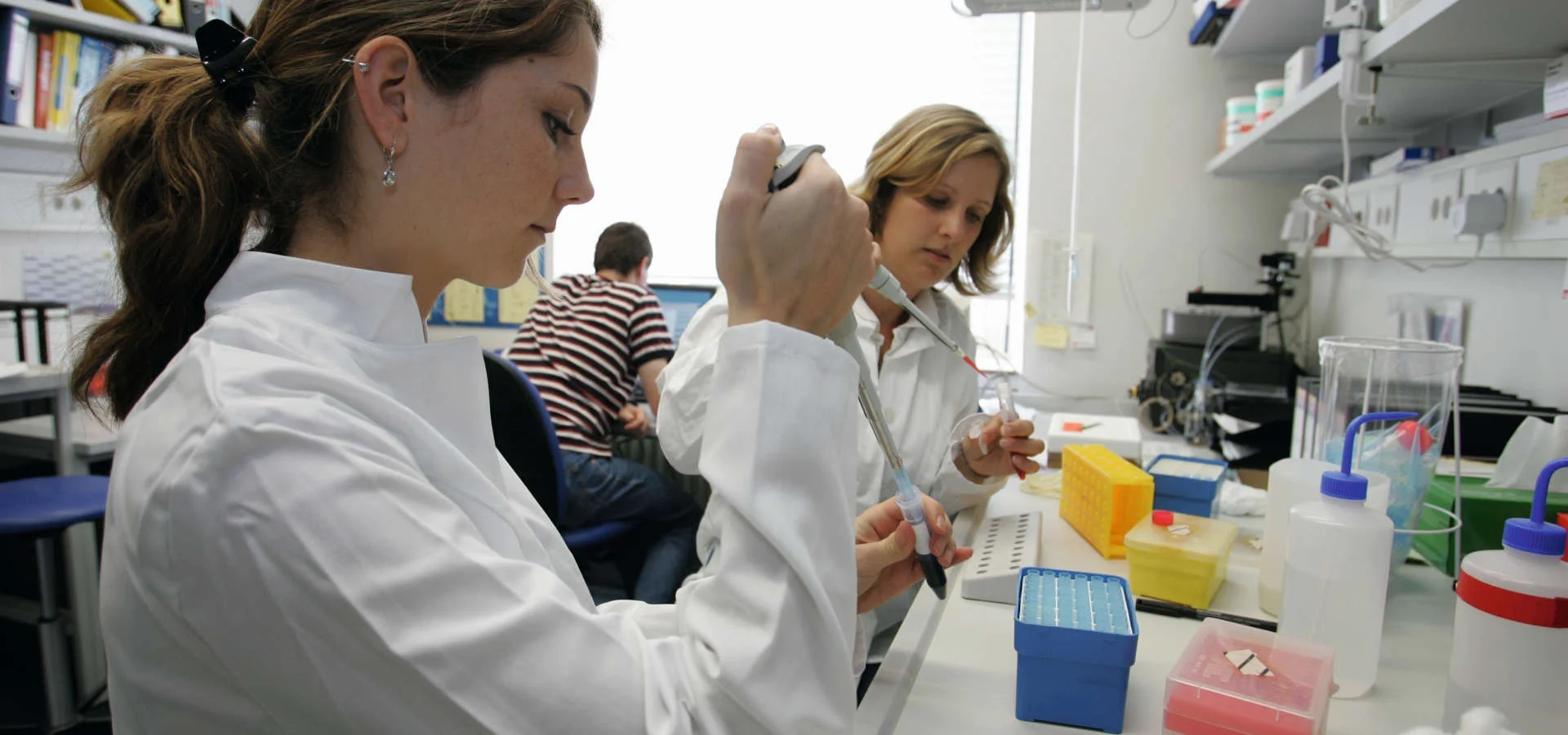
Medicinal Chemistry is a highly interdisciplinary field of research that focuses on the discovery, characterization and development of bioactive tool compounds and drugs. In recent years, the target landscape as well as the types of drug molecules (“drug modalities”) and the methods employed in Medicinal Chemistry and drug research have significantly changed. Research Training Group intends to educate and train a future generation of medicinal chemists that will be well prepared to master future challenges.
DFG Research Training Group "Tools and Drugs of the Future - Innovative Methods and New Modalities in Medicinal Chemistry" (GRK 2873)© Volker Lannert / Uni Bonn -

ECONtribute goes beyond traditional approaches and aims to break new ground in the analysis of markets & public policy.
Cluster of Excellence: ECONtribute: Markets & Public Policy© Bernadett Yehdou / Uni Bonn -

Die Graduiertenschule der Rechts- und Staatswissenschaftlichen Fakultät wurde im Sommersemester 2018 gegründet und unterstützt die Doktorand*innen bei der Erstellung Ihrer Promotion.
Graduiertenschule der Rechtswissenschaften© Colourbox -

The Hausdorff Center for Mathematics (HCM), established in 2006 as the first German Cluster of Excellence in Mathematics, is a major center for mathematical research and international scientific exchange.
Cluster of Excellence: Hausdorff Center for Mathematics: Foundations, Models, Applications© Barbara Frommann / Uni Bonn -
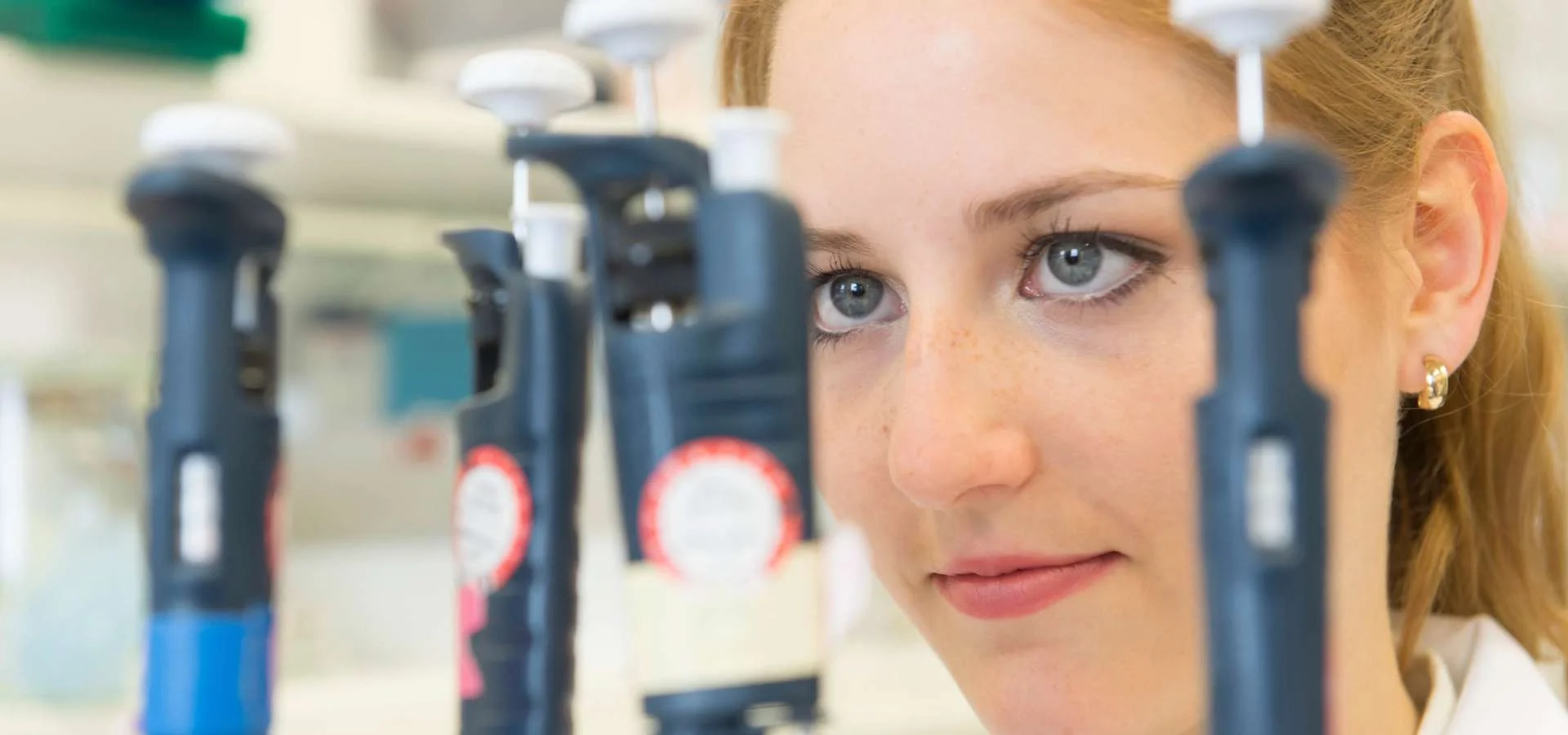
ImmunoSensation3 is a Cluster of Excellence at the University of Bonn funded by the German Research Foundation (DFG). We are dedicated to the study of innate immunity beyond the boundaries of classical immunology.
Cluster of Excellence: ImmunoSensation3© Barbara Frommann / Uni Bonn -

The International Max Planck Research School for Astronomy and Astrophysics (IMPRS for A&A) provides excellent conditions for obtaining a doctorate in Astrophysics for students from all over the world.
International Max Planck Research School on Astronomy and Astrophysics Bonn and Cologne© ESA -
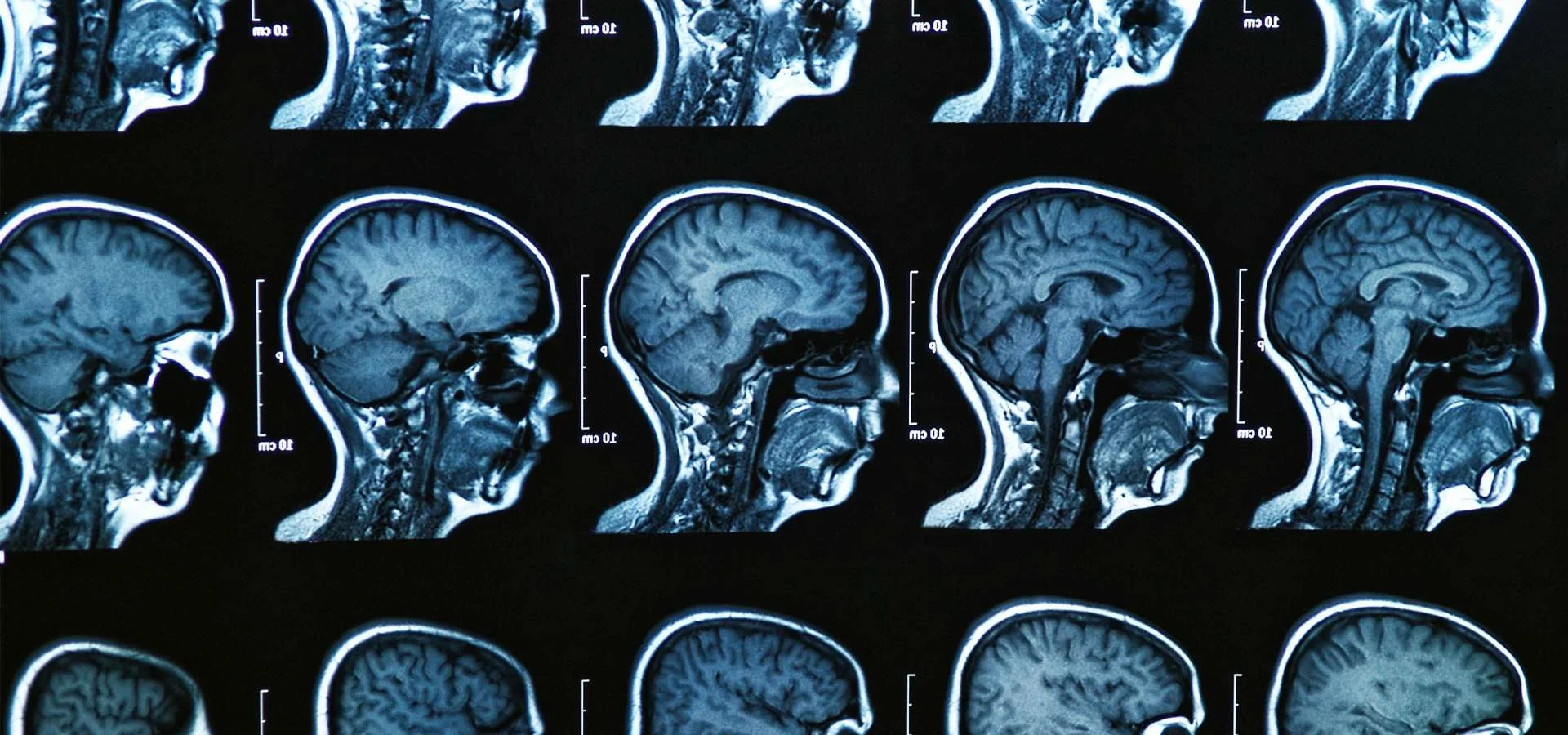
The International Max Planck Research School (IMPRS) for Brain & Behavior is a fully-funded PhD program in Bonn, Germany that offers a competitive world-class PhD training and research program in the field of neuroethology and neuroscience.
International Max Planck Research School for Brain and Behavior© Colourbox -

The International Max Planck Research School on Moduli Spaces (IMPRS) is the graduate program of the Max Planck Institute for Mathematics in Bonn (MPIM) jointly offered with the University of Bonn. It is part of the Bonn International Graduate School of Mathematics.
International Max Planck Research School on Moduli Spaces© Volker Lannert / Uni Bonn -
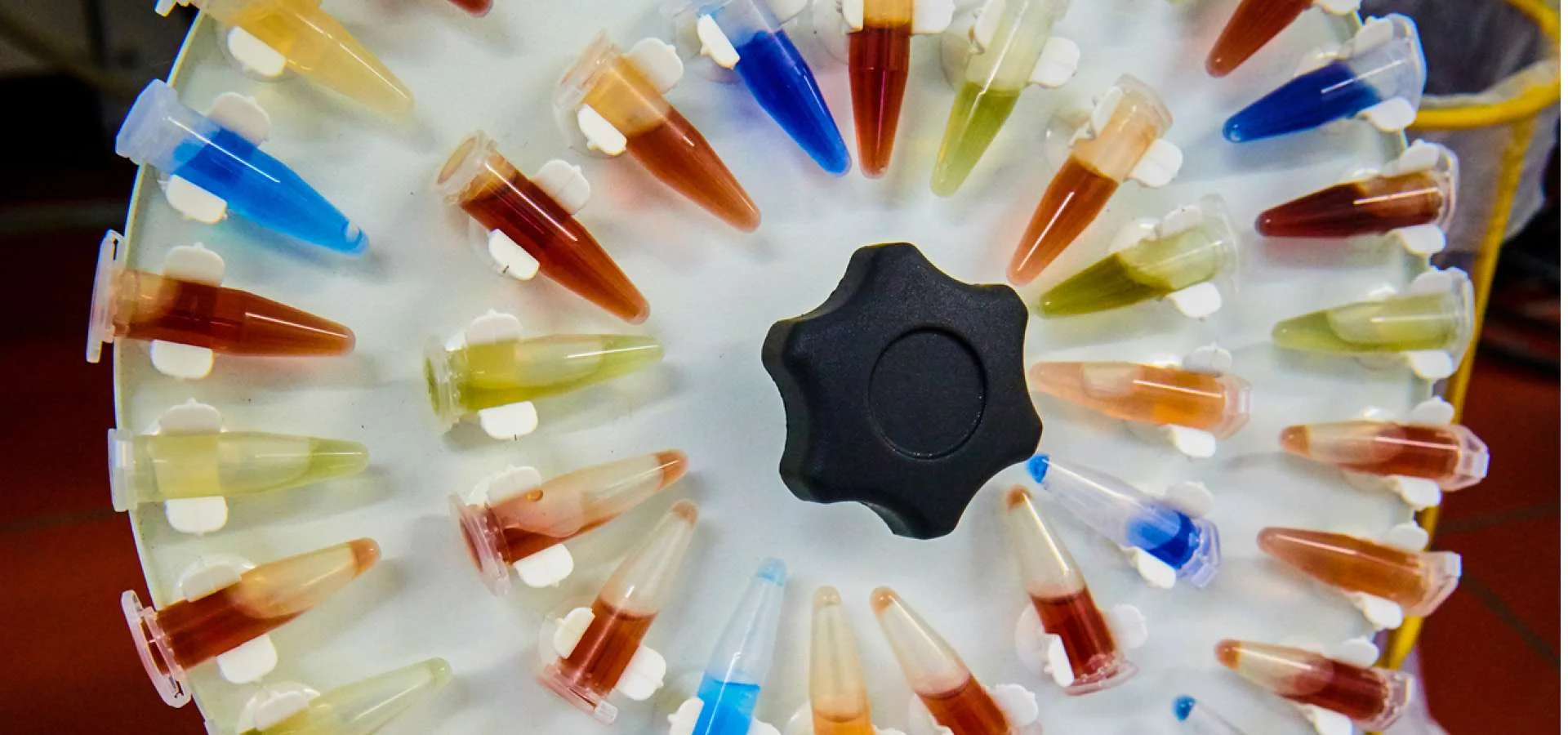
The IMPRS-RECHARGE covers a very broad range of topics ranging from close-to-industrial chemistry to all forms of catalysis (heterogeneous, homogeneous and biological) to fundamental questions in theoretical chemistry.
International Max Planck Research School on Reactive Structure Analysis for Chemical Reactions© Volker Lannert / Uni Bonn -

Seit 2006 bieten die Universitäten Florenz, Bonn und Sorbonne Université das trinationale Graduiertenkolleg "Italianistica" an, in dem Dissertationen zur italienischen Literatur- und Kulturwissenschaft angefertigt werden.
Internationales Promotionsprogramm Italianistik© Colourbox -
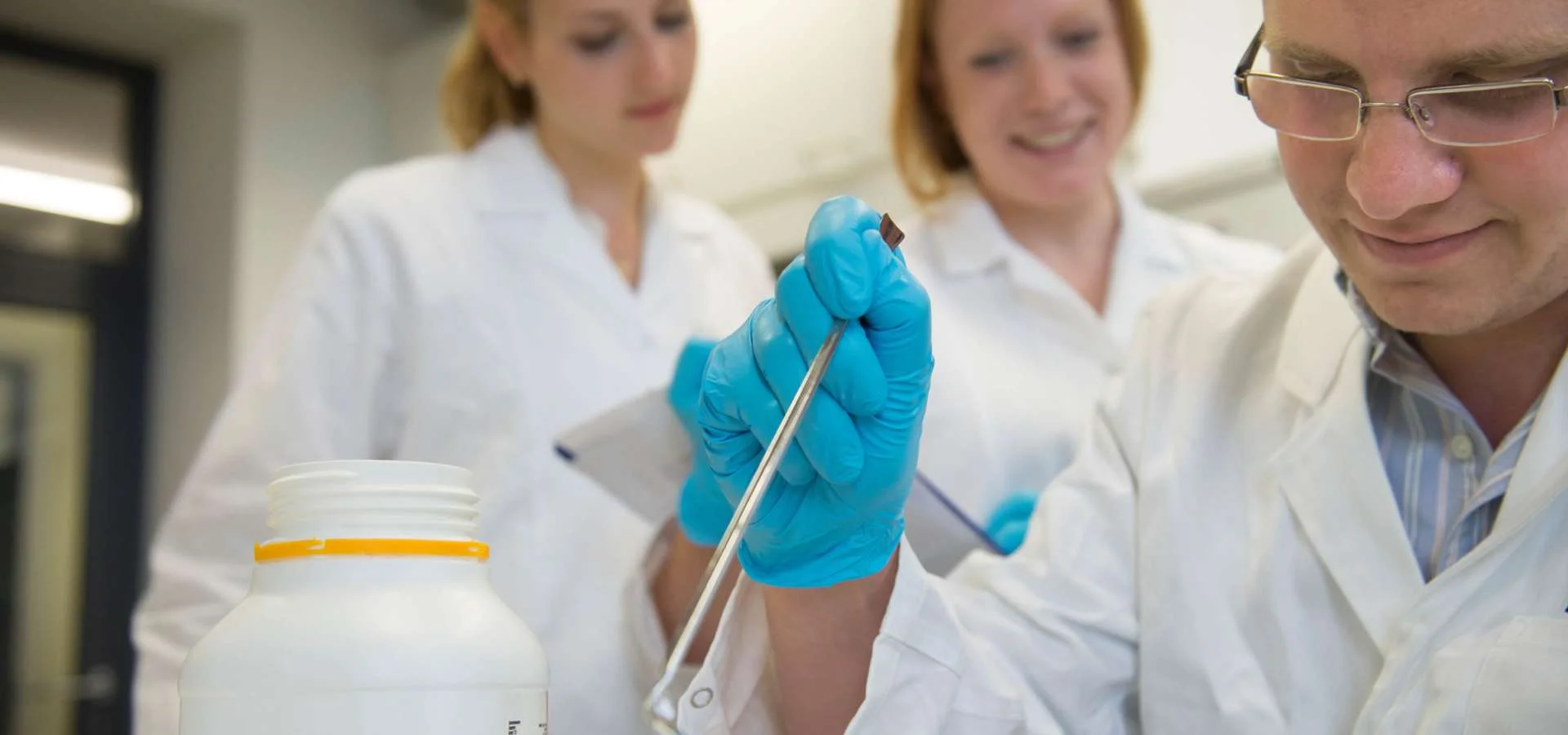
In a joint and multidisciplinary effort, we are investigating the molecular and cellular mechanisms of aortic disease holistically, with a particular focus on aortic valve stenosis, aortic aneurysm, and aortic dissection. Prospectively, we envision identifying novel pharmacological, interventional, and surgical targets for diagnostic, preventive, and therapeutic strategies within the frame of translational and clinical studies.
Integrated Research Training Group at the DFG Collaborative Research Centre "Aortic Disease" (SFB/TRR 259)© Barbara Frommann / Uni Bonn -
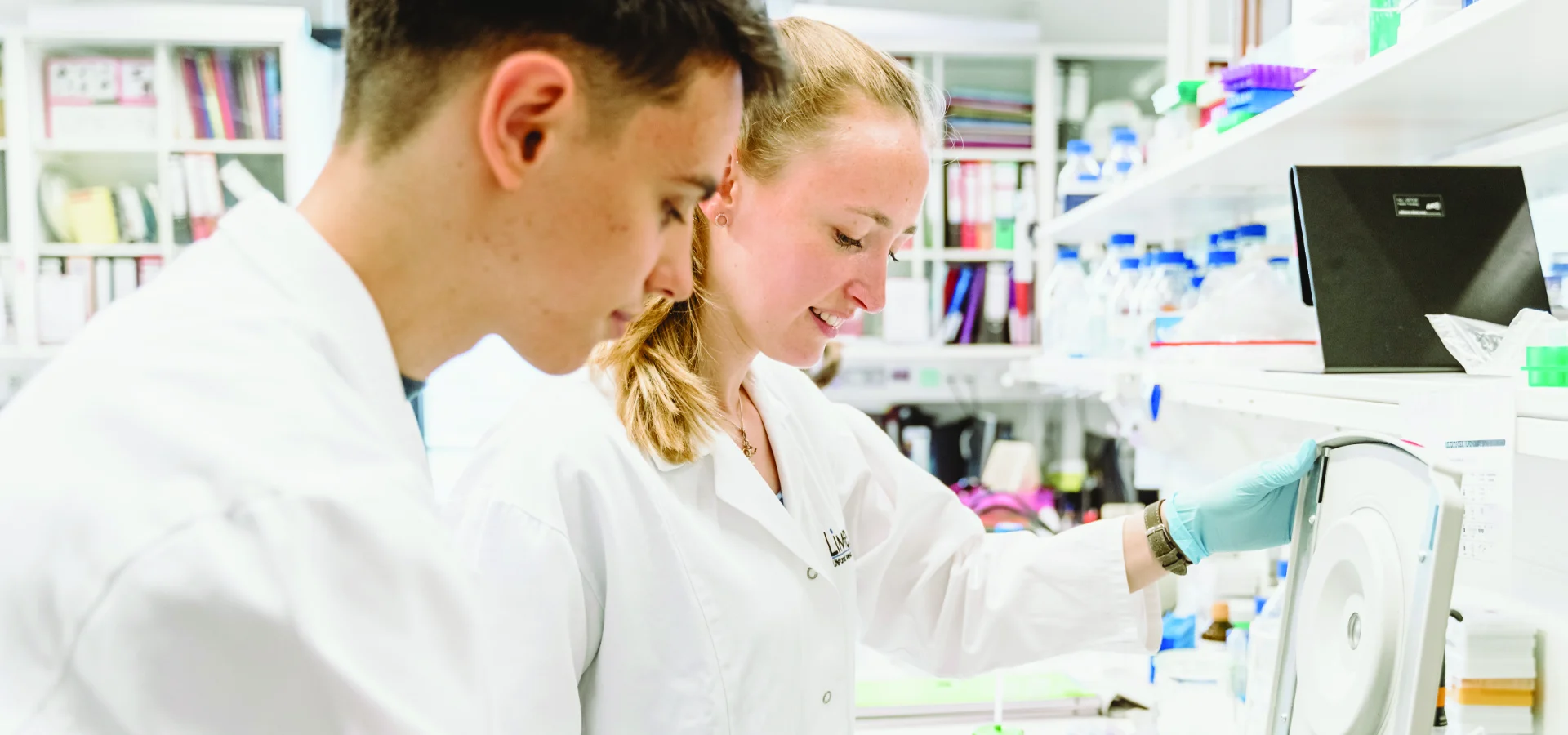
The Collaborative Research Center (CRC) TRR 333 Brown and Beige Fat – Organ Crosstalk, Signaling and Energetics (BATenergy) is funded by the Deutsche Forschungsgemeinschaft (DFG, German Research Foundation) since 2022 and investigates metabolism/diabetes and focuses on brown adipose tissue.
Integrated Research Training Group at the DFG Collaborative Research Centre "Brown and Beige Fat - Organ Crosstalk, Signaling and Energetics (BATenergy)" (SFB/TRR 333)© Bernadett Yehdou / Uni Bonn -

The CRC’s aim is to improve the understanding of regional climate change beyond greenhouse gas forcing. DETECT brings together people from meteorology, hydrology, geodesy, remote sensing, computer science, plant sciences, economics and agricultural science with a unique network of about 100 scientists. Ultimately, DETECT aims at developing evidence-based sustainability criteria for the future land and water use interventions (“climate-smart land use”), such as e.g. large-scale transitions in agricultural systems.
Integrated Research Training Group at the DFG Collaborative Research Centre "Regional Climate Change: Disentangling the Role of Land Use and Water Management" (SFB 1502)© Nico Wagner -

"Future rural Africa“ is an interdisciplinary collaborative research center funded by the German Research Council (DFG) involving geographers, anthropologists, political scientists, agroeconomists, soil scientists and ecologists from the Universities of Bonn and Cologne as well as external partners to address large-scale land use change and related social-ecological transformations along growth corridors in Eastern and Southern Africa.
Integrated Research Training Group at the DFG Collaborative Research Centre "Future Rural Africa" (SFB/TRR 228)© Bernadett Yehdou/Uni Bonn -
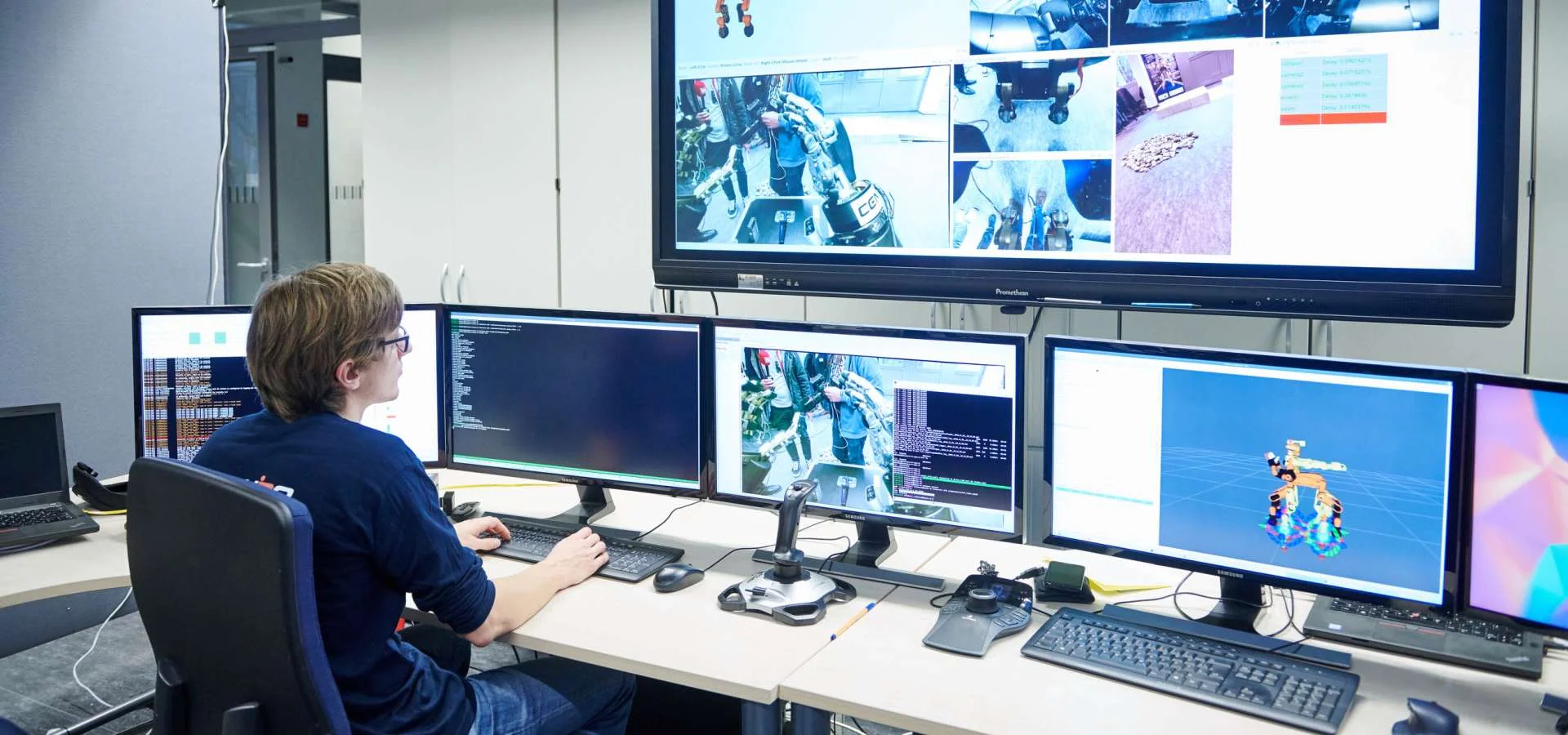
The vision is to utilize external drive and properly tailored reservoirs to counteract the effects of generic, uncontrolled environments and to create a toolbox of open system control for few- and many-body quantum systems.
Integrated Research Training Group at the DFG Collaborative Research Centre "OSCAR – Open System Control of Atomic and Photonic Matter" (SFB/TRR 185)© Volker Lannert / Uni Bonn -

MIRACLE’s focus on innovation is to pave the way to precision medicine by deploying and valorizing current technological breakthroughs for a detailed definition and targeting of cardiometabolic disease-associated and causative cellular subsets.
Marie Skłodowska-Curie Innovative Training Network "Multilevel inflammatory regulation in cardiometabolic disease" (ITN-MIRACLE)© Colourbox -
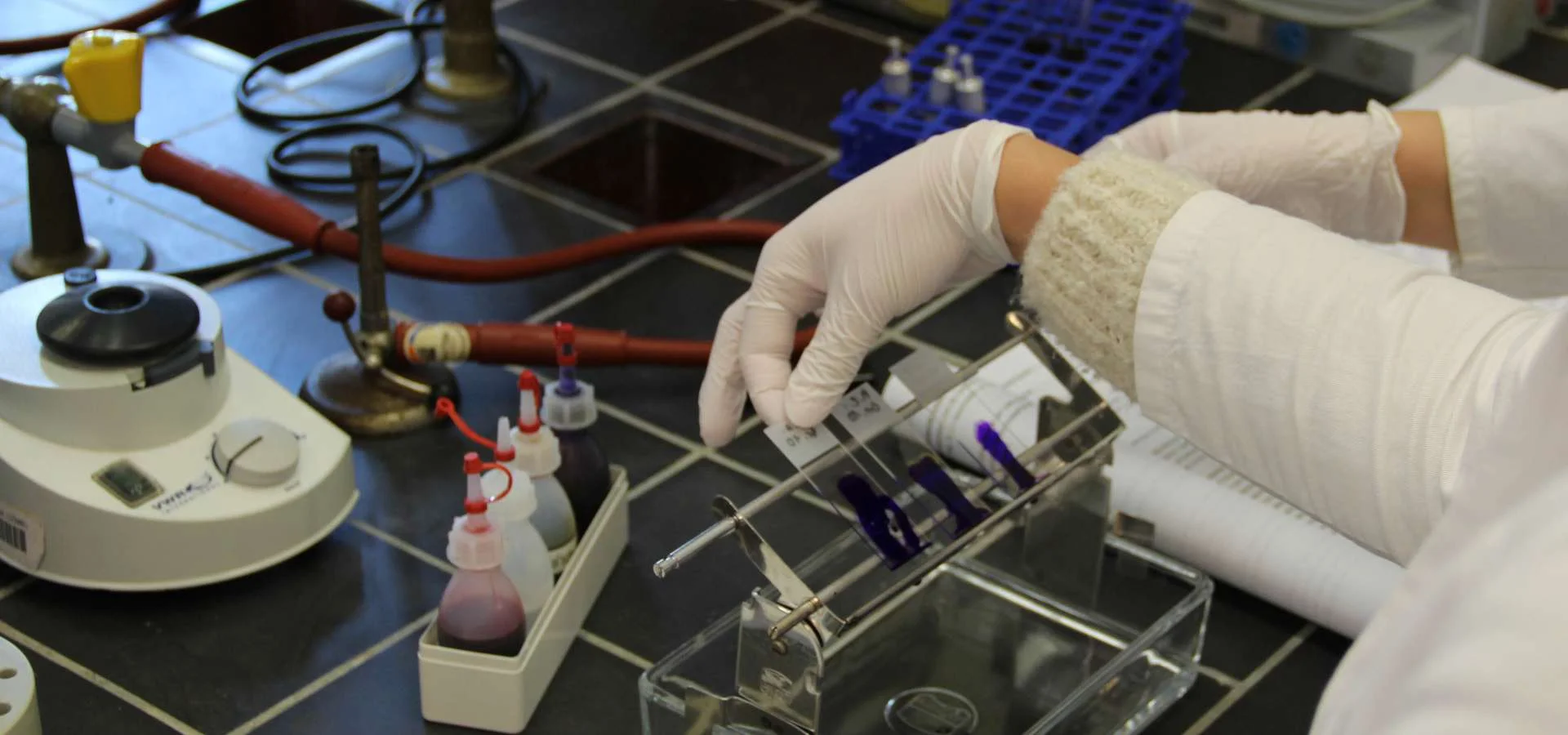
The Tools4Teams project aims to contribute to safer and more effective care by studying the innovative tools that teams need to perform optimally in complex healthcare situations.
Marie Skłodowska-Curie Innovative Training Network "Tools4Teams: Research Training to Design and Implement Tools Supporting Safe Teamwork in Healthcare" (ITN-Tools4Teams)© Stephan Ebbers -

In Matter and Light for Quantum Computing (ML4Q), scientists from the universities of Cologne, Aachen and Bonn as well as Forschungszentrum Jülich come together to spearhead quantum computing research.
Cluster of Excellence: Matter and light for quantum computing© Colourbox -

BIGS-OAS investigates the cultures and societies of Asia and the Middle East in change through time and processes of global interaction.
Bonn International Graduate School of Oriental and Asian Studies© colourbox -
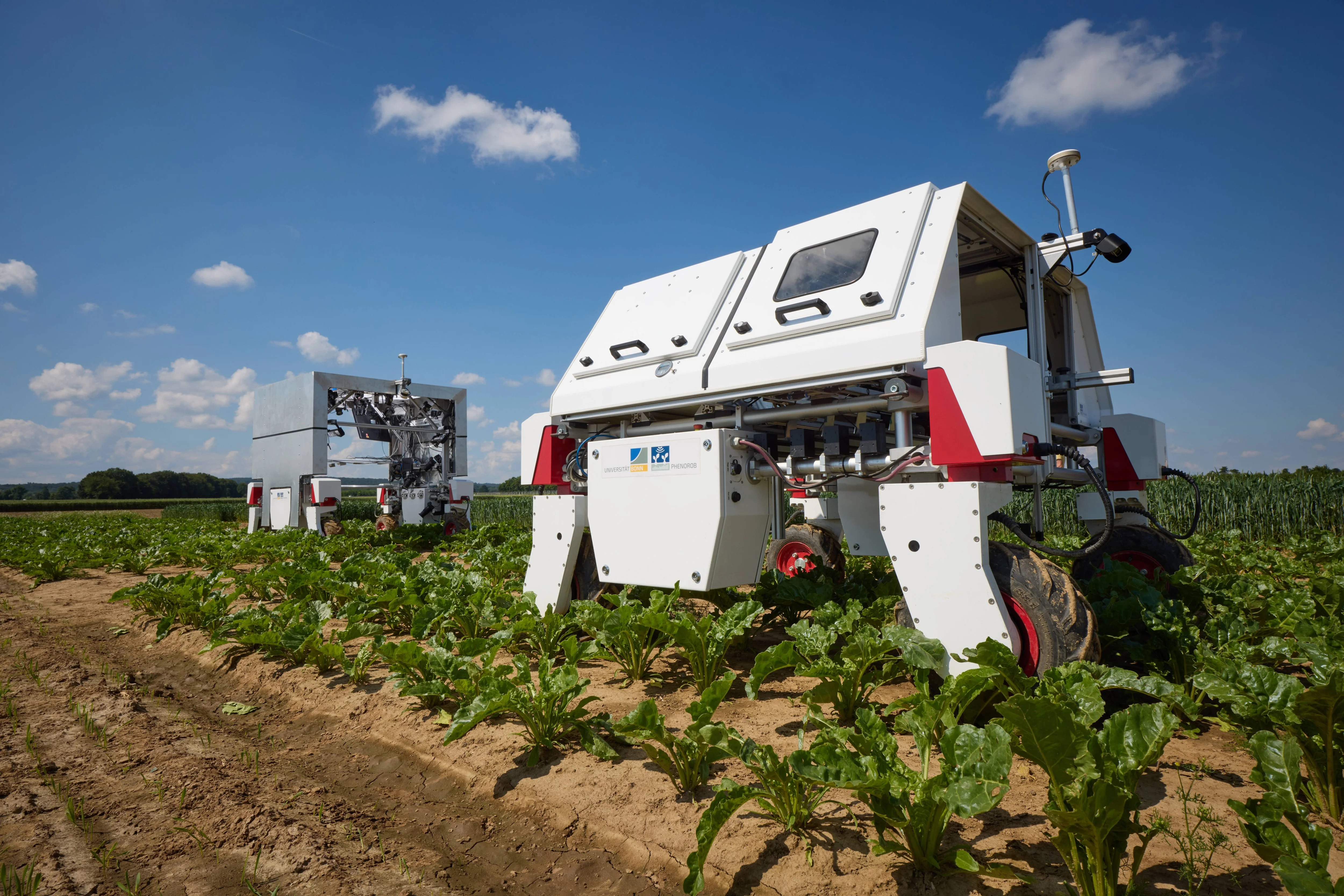
PhenoRob performs world-leading research in robotics and phenotyping for sustainable crop production. Our vision is to transform crop production by optimizing breeding and farming management through developing and deploying new technologies.
Cluster of Excellence: PhenoRob© Volker Lannert / Uni Bonn -

DFG Research Training Group "Development and epileptogenesis of dysplasias in the interplay of distinct CNS cell types" (RTG 3151)© Sandra Blaess -
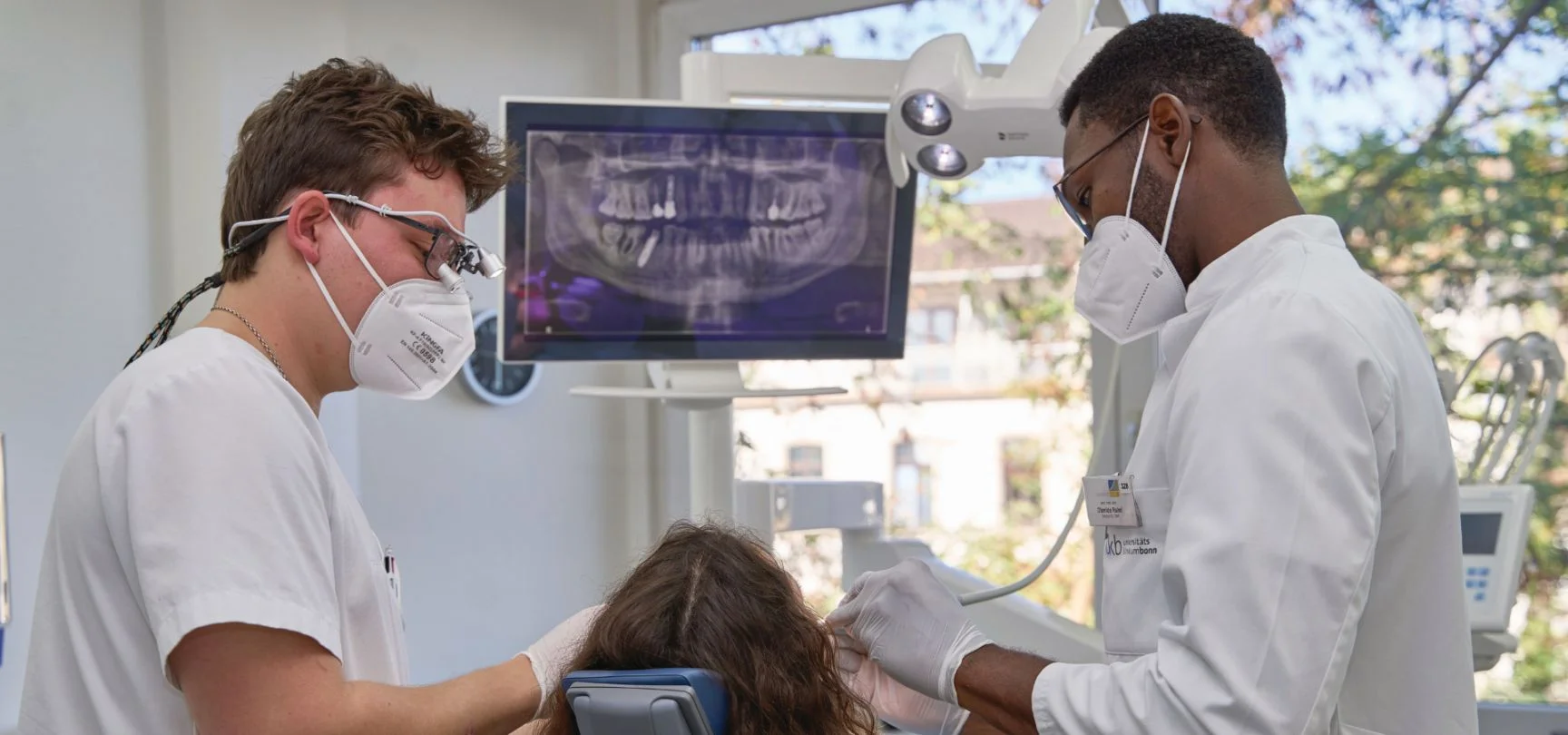
Das SciMed-Promotionskolleg bietet bei erfolgreicher Antragstellung eine strukturierte Doktorand*innenausbildung zum Dr.med. / Dr.med.dent. mit promotionsbegleitender Betreuung der Stipendiat*innen. Hierzu zählen Mentoringgespräche sowie wissenschaftliche Betreuung und Evaluation (Midterm- und End-of-Funding-Report).
SciMed Promotionskolleg© Volker Lannert -

Das Strukturierte Promotionsprogramm (SPP) bietet Bonner Promovierenden und Habilitierenden der Neueren deutschen Literaturwissenschaft, Linguistik, Komparatistik, Mediävistik, Skandinavistik und Fachdidaktik ein Forum zur Förderung ihrer Dissertationsprojekte.
Strukturiertes Promotionsprogramm des Instituts für Germanistik, Vergleichende Literatur- und Kulturwissenschaft© Volker Lannert / Uni Bonn -

Das Strukturierte Promotionsprogramm der Philosophischen Fakultät unterstützt besonders qualifizierte Promovierende aller Fächer in ihrem Promotionsvorhaben.
Strukturiertes Promotionsprogramm der Philosophischen Fakultät© Bernadett Yehdou -

Beteiligt sind die Fächer der Philosophischen Fakultäten, insbesondere die Literatur- und die Sprachwissenschaften, die Kunstgeschichte und die Musikwissenschaft sowie die Fächer, die Themen zur Rahmenfrage des Kollegs bearbeiten wie die Historiographie, die Politikwissenschaft, die Philosophie, die Soziologie u.a. Über einen Zeitraum von drei Jahren sollen die Doktoranden*innen eine Dissertation aus dem Gebiet der europäischen Gründungsmythen anfertigen.
Trinationales Graduiertenkolleg "Gründungsmythen Europas in Literatur, Kunst und Musik"© M.Tiverios | Classical Art Research Centre, University of Oxford
Contact

Dr. Robert Radu
1.005
Poppelsdorfer Allee 47
53115 Bonn
Office Hours
Questions about the structured doctorate? Register for the (virtual) office hours and get advice:
- Tuesday
2.00 p.m. - 4.00 p.m.
Also read
Additional Qualification: Doctorate plus
Expand your skills with our training program Doctorate plus.