


Research and Teaching at the University of Bonn
The University of Bonn is one of 15 Universities of Excellence in Germany with eight Clusters of Excellence - more than any other university in Germany. Our seven faculties cover a broad range of disciplines. These strong disciplines are supplemented by six cross-faculty, interdisciplinary “Transdisciplinary Research Areas” (TRAs) that create spaces for exploration and innovation where key scientific, technological and social challenges are addressed.
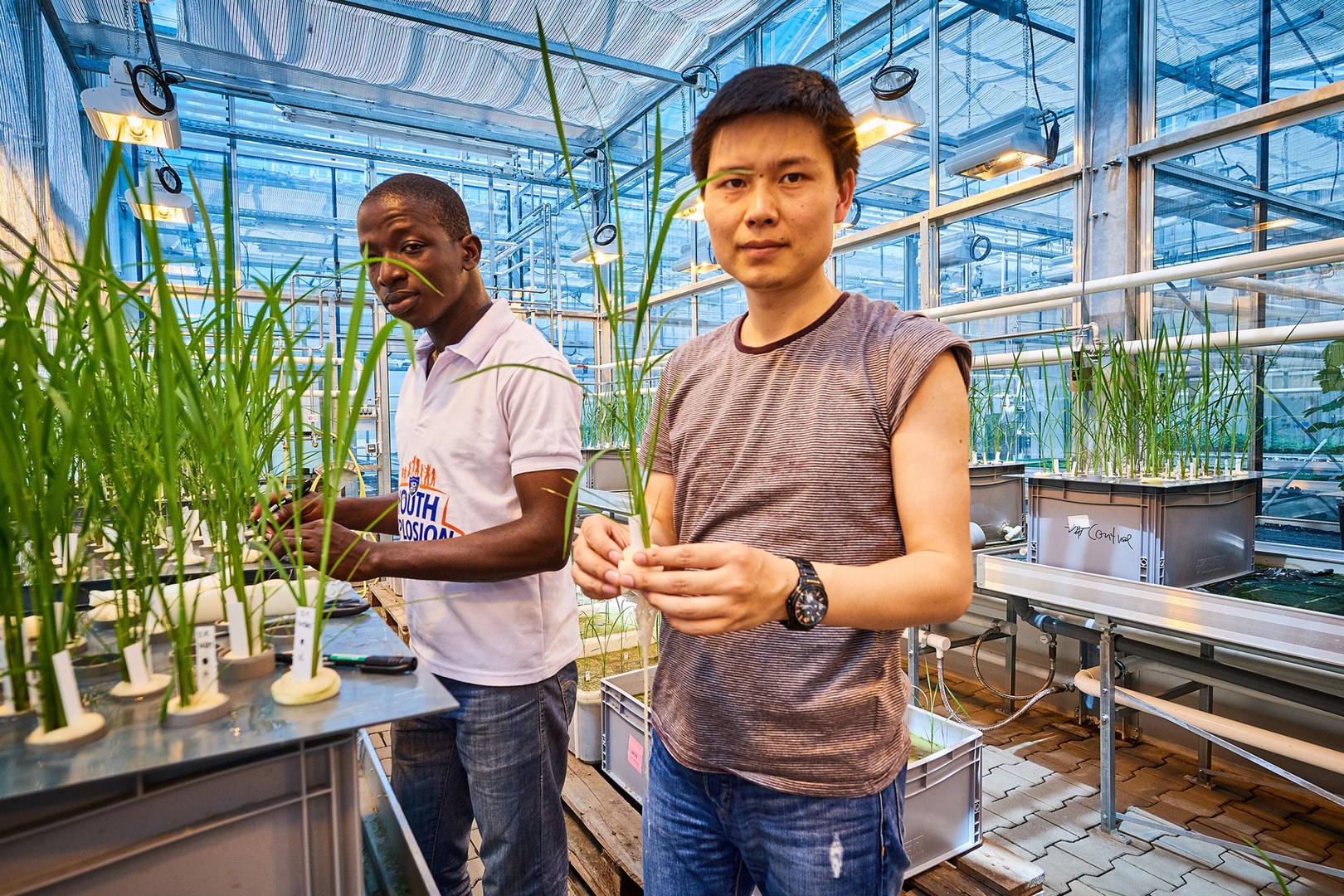
Transdisciplinary Research Profile
The research profile of our University of Excellence is based on our six Transdisciplinary Research Areas (TRAs), and is further strengthened by six Clusters of Excellence, countless collaborative projects and outstanding researchers.

Teaching Profile
We aim to create a passion for science in young people and help them develop their individual professional and personal skills as best possible. The overall orientation of study and teaching at the University is based on ten principles.
Researchers and Teachers
The University provides a range of services to help increase the time available for research and teaching. These range from providing advice on submitting applications and handling third-party funded projects, all the way to consulting on teaching methods. Learn about our Welcome Center and funding lines for international exchange, among other things.

Early-Career Researchers
We want to give talented early-career researchers the opportunity to perform independent research and help them achieve their goals both within and outside academia. The Argelander Program provides orientation, cross-disciplinary training and funding for emerging leaders.

Knowledge and Technology Transfer
Through knowledge transfer, we ensure that our research reaches and benefits various sectors, while our technology transfer efforts help move innovative ideas into practical use. Our outreach programs further extend these contributions, engaging with the community to share insights and drive positive change.

Quality Assurance
Academic integrity and high quality teaching are our top priorities. Learn about our quality assurance measures, Guidelines for Safeguarding Good Research Practice and your contact persons.
6
Clusters of Excellence
200+
Degree Programs
699
Professors
Our Research Profile
The research profile of our University of Excellence is defined by six Transdisciplinary Research Areas (TRAs), each of which has at least one Cluster of Excellence at its core. The TRAs focus our research on key future scientific, technological and social issues. Outstanding researchers, strong disciplines and a cooperative research culture have always formed the basis of our research profile.
Transdisciplinary Research Areas
The six Transdisciplinary Research Areas (TRAs) at the University of Bonn create spaces for innovation in research and teaching.
Excellence Strategy
“We invest in people. We foster networks. We create impact.” Our strategy for excellence in research and teaching.
Clusters of Excellence
The University of Bonn has six Clusters of Excellence — eight as of January 2026 — more than any other university in Germany.
Support of Early-Career Researchers
We offer many support services for doctoral students and postdocs to promote early independent research.
Research Networks
Innovative top-level research in many national and international partnerships and collaborative projects sets us apart.
Outstanding Researchers
The outstanding research performed by our researchers is shown by the many awards that have been received.