


Connected with the World
With over 300 partner universities on six continents, some 20,000 bilateral research projects and close contacts with the United Nations and its institutions, the University of Bonn is part of an extensive global network of research and higher education institutions, business enterprises and other organizations.
International networks
Led by the conviction that international exchange enriches the quality and effectiveness of our research, the University of Bonn has made across-the-board internationalization of its activities a top priority. Cross-sectoral and inter-institutional networking and collaboration are essential in these efforts.
The internationalist and intercultural approach taken is reflected in everyday University operations and in strategic partnerships and specialist networks existing between individual research areas and a multiplicity of international partners.
The University’s roughly 6,600 students from over 140 different nations contribute substantially to the city of Bonn being a highly international place to live and work. The attractiveness of the University for international researchers is reflected by the University of Bonn’s leading position in a number of rankings, such as the ranking of recipients of funding from the Alexander von Humboldt Foundation.

Content
The University is active in the following networks:
Global Universities for Societal Impact (GUSI)
The University of Bonn formed the global GUSI network with member institutions Emory University (USA), Hebrew University of Jerusalem (Israel), University of St Andrews (UK) and Waseda University (Japan) to promote collaboration in the core areas of education, research, leadership and innovation. The role of artificial intelligence in higher education and science is an initial focus topic to be discussed in multilateral forums.
U7+ Alliance of World Universities
The U7+ Alliance is an international coalition of university presidents who lead discussions and have committed themselves to addressing the most pressing global challenges in a multilateral context. This is the first alliance of university presidents whose purpose is to position the universities as global actors with a multilateral agenda.
German Centers for Research and Innovation (DWIH)
The German Centers for Research and Innovation (DWIH) are nexus points for German science, higher education and private-sector research. The University of Bonn is an advisory board member of the DWIH São Paulo and DWIH Tokyo. The DWIH centers provide a framework for German innovation leaders to act in concert and connect German researchers with local cooperation partners.
Cologne/Bonn Academy in Exile (CBA)
The Cologne/Bonn Academy in Exile was formed by the Universities of Bonn and Cologne in 2022 to support researchers impacted by the Russian war of aggression against Ukraine by allowing them to resume their research work at the respective institutions, contributing their regional expertise.
Scholars at Risk network—Germany Section
The members of the Germany Section of the global Scholars at Risk network are German universities, research institutions and scientific organizations committed to supporting and protecting researchers at risk and promoting academic freedom.
German-West African Centre for Global Health and Pandemic Prevention (G-WAC)
The G-WAC is an initiative of the University of Bonn, Charité – Universitätsmedizin Berlin, Technische Universität Berlin and Kwame Nkrumah University of Science and Technology (KNUST) in Ghana, which has been funded by the German Academic Exchange Service (DAAD) since 2021. The University of Bonn supports two of the eight global centers. The purpose of the initiative is to address the threat of global pandemics—resulting from habitat loss, intensive agriculture, climate change and zoonoses, among other primary factors—through transdisciplinary and interdisciplinary research. G-WAC promotes education, research and policy advising as part of the One Health approach.
African Climate and Environment Center – Future African Savannas (AFAS)
Formed in 2021, the AFAS is a partnership within the DAAD Global Centres for Climate and Environment framework. AFAS activities with partner universities in Abidjan, Nairobi and Cologne are coordinated by the University of Bonn Center for Development Research (ZEF). The AFAS mission is to come up with nature-based solutions for climate adaptation and conserving the biodiversity of Africa’s savannas. This is to be accomplished by training young African scientists, transferring research findings into practical use and promoting environmental protection in education and research.
TAKeOFF – Tackling the Obstacles of Filariasis and Podoconiosis Disease Control
TAKeOFF is a consortium of international research institutions committed to fighting filarial infection and podoconiosis by developing new treatment strategies that reduce suffering as well as stigma and financial consequences. Filariasis is a neglected tropical disease that affects around 100 million people worldwide. The consortium members are the University of Bonn, LMU Munich, the Kwame Nkrumah University of Science and Technology (Ghana), the Kumasi Center for Collaborative Research (Ghana), the National Institute for Medical Research (Tanzania) and the University of Buea (Cameroon).
PARI – Program of Accompanying Research for Agricultural Innovation
The PARI research program brings together partners from Africa, India and Germany to conduct research on sustainable agricultural development, food systems transformation, and food and nutrition security. The focus is on innovations that empower smallholder farmers, women and young people, address climate change and promote rural development. The program members include the University of Hohenheim, the Technical University of Munich, the Forum for Agricultural Research in Africa (FARA), the African Growth and Development Policy Modeling Consortium (AGRODEP) and other partners in 14 Indian states and African countries.
tropEd – Network for Education in International Health
tropEd is a consortium of institutions committed to promoting education and advanced training in the field of global health. It offers interdisciplinary programs and fosters international cooperation aimed at strengthening healthcare systems and improving healthcare quality in lower and middle-income countries.
CABES – Capacity Development for Biodiversity and Ecosystem Services Experts
CABES is a joint initiative coordinated in Bonn, aimed at enhancing research and policy development capacity regarding the conservation of biodiversity and ecosystem services. The project promotes international partnerships in order to make gains in knowledge and education relevant for sustainable development strategies, with plans to support 38 countries in West, Central and East Africa.
CAPAZ – German-Colombian Peace Institute
CAPAZ is a center of excellence in research and teaching funded by the DAAD and the German Federal Foreign Office whose mission is peacebuilding in Colombia. The institute promotes interdisciplinary collaboration between German and Colombian institutions. As an associated member of CAPAZ, the University of Bonn furthers the organization’s objectives through research, teaching and exchange programs.
Young African Mathematicians Program (YAM)
YAM is a partnership between four German Clusters of Excellence for mathematics, one of which is the Hausdorff Center for Mathematics at the University of Bonn, and the African Institute for Mathematical Science (AIMS). The program purpose is to create more opportunities for promising African students to study and do research at institutions of mathematical excellence in Germany.
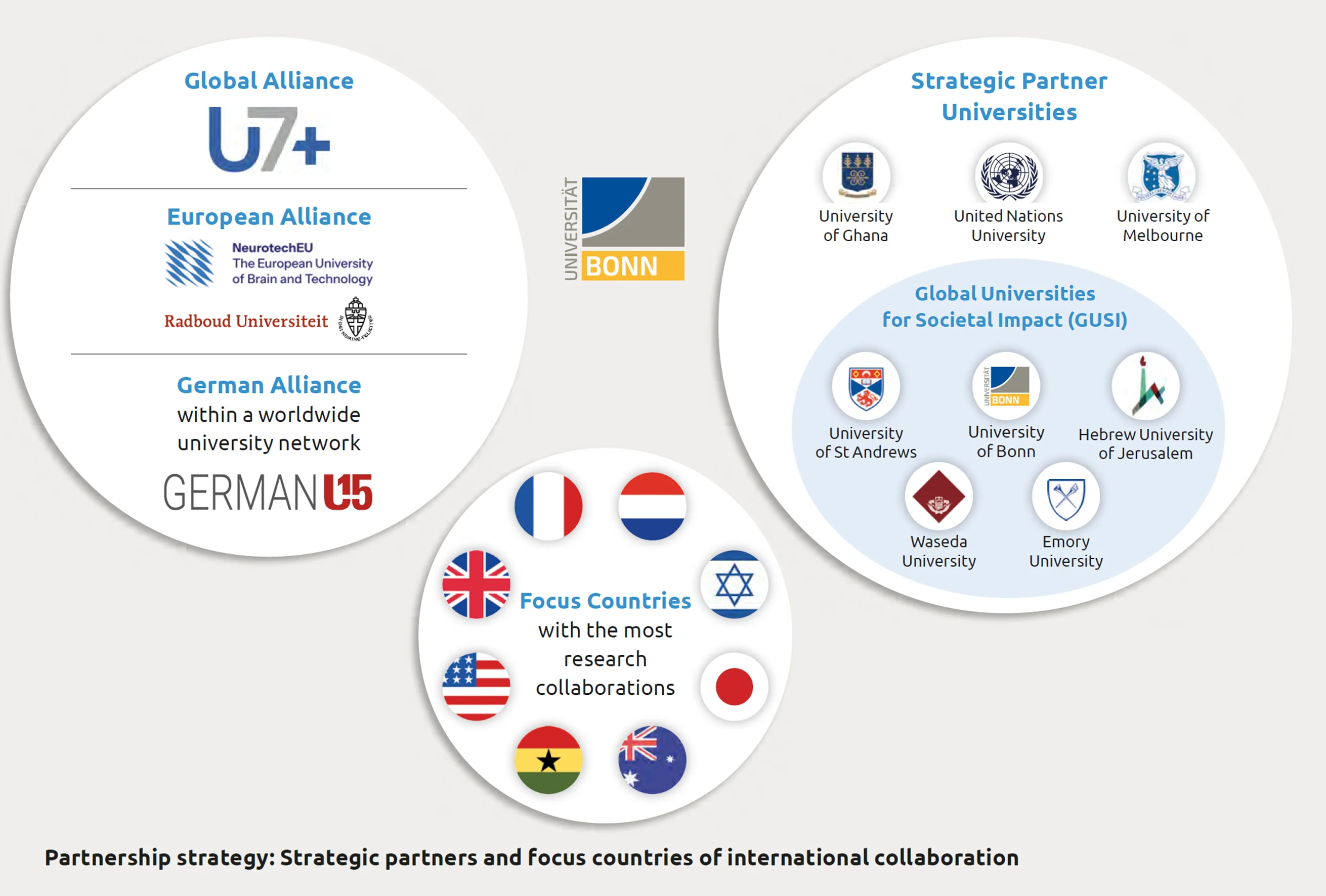
The University of Bonn cooperates with leading universities around the world, a number of which have become very close strategic partners. The focus countries for partnerships are Australia, France, Ghana, Israel, Japan, the Netherlands, the UK and the US. Additionally, the University is stepping up collaboration with partner institutions in countries of the “Global South,” as defined by the United Nations.
One noteworthy example is the CAPES visiting professorship scheme—a project with annual focus topics funded by the Brazilian Federal Agency for Support and Evaluation of Graduate Education, which the University is leveraging to expand its contacts and cooperation with Brazilian universities.
A partnership with the Collège de France in Paris brings prominent French researchers to the University of Bonn each year as part of the Ernst Robert Curtius Visiting Professorship. The University of Bonn is furthermore associated with another 300 or so European universities within the scope of the Erasmus+ programme.
Academics and scholars from all over the world do research and teaching at the University of Bonn, creating an international environment which greatly enriches the campus and educational institution as a whole—and which we take pride in.
As former visiting researchers, the Bonn University Ambassadors have a close academic and personal relationship with Bonn, which makes them ideal contacts for answering questions from students and researchers about doctoral studies, conducting research and teaching—based on their own experience.
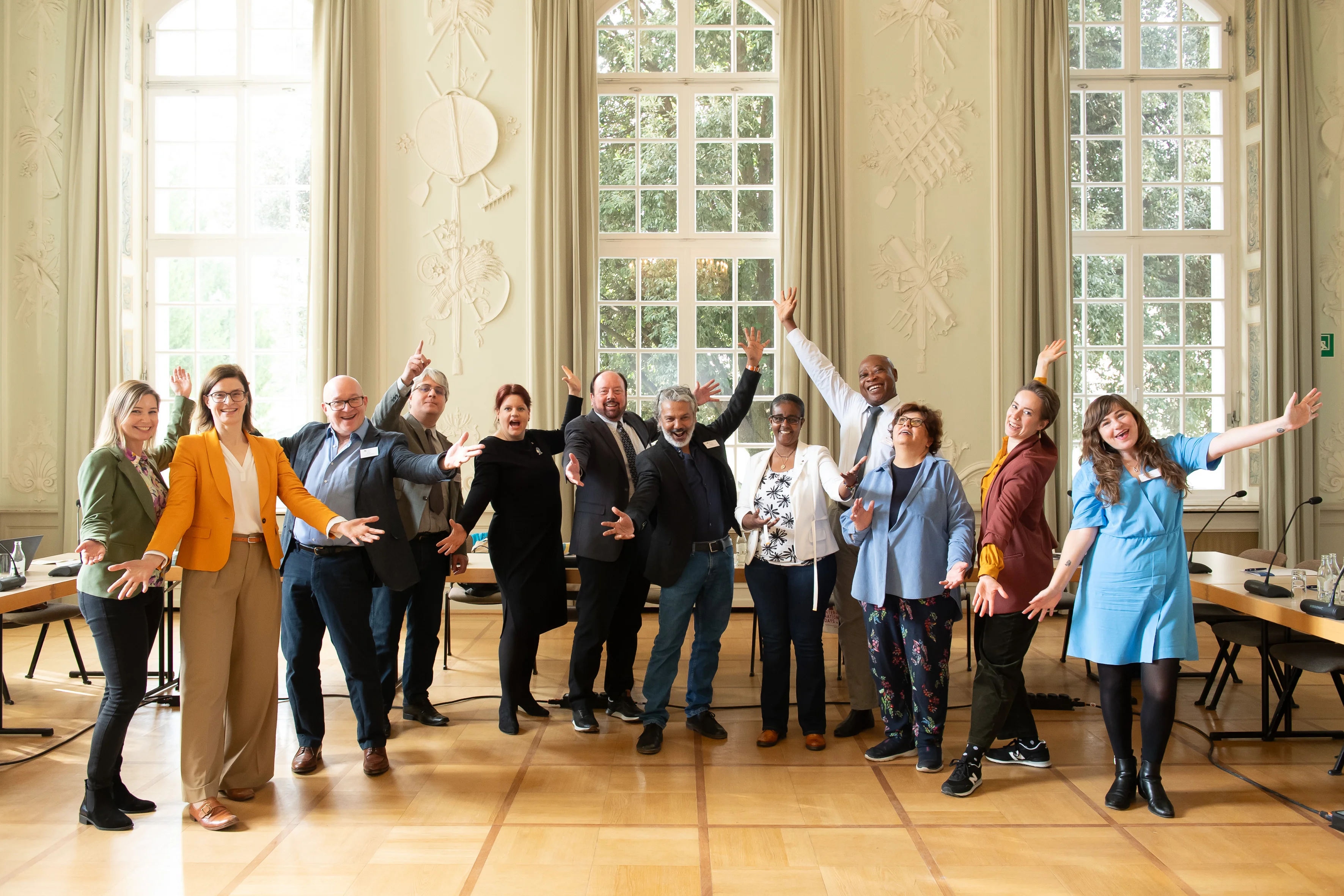
NeurotechEU – The European University of Brain and Technology
The University of Bonn has joined with seven European partner universities to form NeurotechEU, a university alliance for educating the neuroscientists of tomorrow, enabling them to solve the challenges involved in neurological diseases. The primary objective behind NeurotechEU is establishing a trans-European network of excellence in brain research to deliver multidisciplinary training for students.
Intern-University Centre Dubrovnik
Formed in 1972, the Inter-University Centre is an independent and autonomous academic institution whose mission is to promote international collaboration between academic institutions around the world. It currently has around 170 members from 30 different countries. The IUC brings together researchers and students from different disciplines and cultures to foster interdisciplinary and international cooperation on health, education, poverty, human rights, the climate and other issues.
Leading European research networks:
- European Cultures – European Identity: the University of Bonn has joined with eight European and American universities and two academies to form a research network indicatively named “European Cultures – European Identity.” Joint research projects are being developed with the aim of later launching a European degree program and joint training for doctoral students from the network member universities.
- European Doctoral Program in Quantitative Economics: jointly offered by leading European business schools, the European Doctoral Program in Quantitative Economics provides opportunities for doctoral students to do research at a partner university for a period ranging from three to twelve months. The program purpose is to promote mobility and academic exchange.
- The University of Bonn is furthermore involved in numerous European collaborative projects.
The University of Bonn is part of a regional research network of excellence along with Forschungszentrum Jülich, the University of Cologne and RWTH Aachen University as the major university partners in the Rhineland region, as well as other research institutions:
- ABCD-J: The University of Bonn is a member of vibrant academic networks in the Rhineland region, including in particular ABCD—a forum for the rectorates of the Universities of Aachen, Bonn, Cologne and Düsseldorf to regularly meet and explore cooperation opportunities and coordinate their planning. These efforts have led to joint third-party funded projects and to multilateral cooperation with Forschungszentrum Jülich, the Bioeconomy Science Center (BioSC) and the West German Genome Center.
- German U15: The University of Bonn is a member of the German U15—an association of 15 research-oriented German universities offering a broad curriculum that have united to represent their common interests as members of the German academic system.
- Frankfurt-Mainz: Extending beyond our close partnerships within the Rhineland, we also maintain multilateral relations with the Universities of Mainz and Frankfurt within a research partnership geared primarily toward the immunosciences and less popular fields.
- Stem Cell Network.NRW: Stem Cell Network.NRW brings together leading scholars of medicine, biology, philosophy, the social sciences, law and theology to structure the future of stem cell research in a responsible and transparent manner in order to make advances in this field accessible to the general public.
Bonn as an international research hub
As a location, Bonn offers optimal conditions for conducting international and transdisciplinary research of excellence as part of a robust network. The status of the international Science Region Bonn is manifested by the presence of four universities, a number of Max Planck Society research institutes and centers of the Fraunhofer-Gesellschaft, the Leibniz Association and the Helmholtz Association.
Collaboration and cooperation are the way to get maximum results from Bonn’s diverse and vibrant research landscape. The University of Bonn maintains close ties with local non-university research institutions within the Bonn Research Alliance (BORA), which opens up outstanding opportunities for strategically developing the research landscape in collaborative fashion.
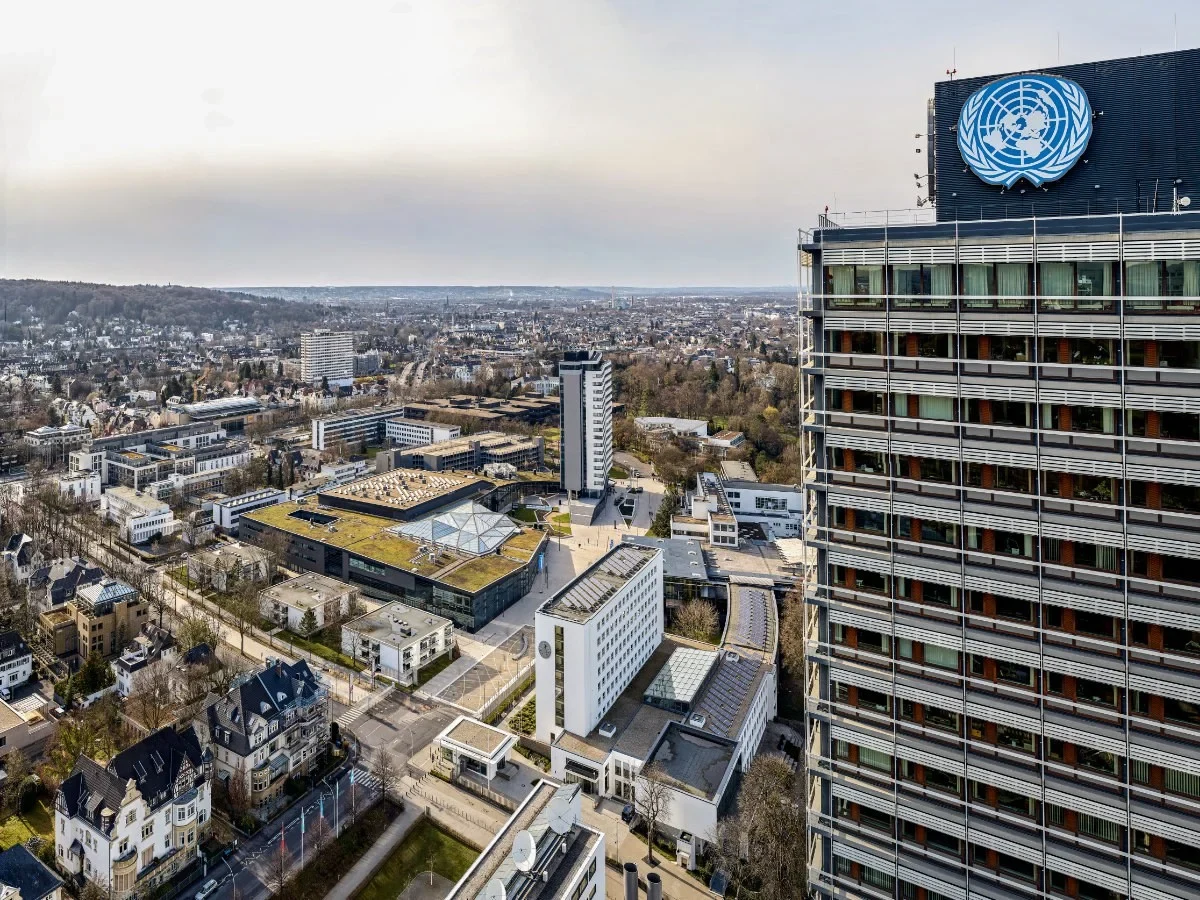
As Germany’s “UN city,” Bonn is also a hub for international climate and biodiversity research and environment policy. With over 25 UN organizations located in the city along with prominent research institutions and international think tanks, Bonn is a significant player in shaping global sustainability and environment strategies. Close ties between the scientific community, government and international actors make Bonn a unique location for working toward the Sustainable Development Goals.

Bonn Research Alliance (BORA)
In the BORA alliance, a diverse research community comes together around key research profiles that define and strengthen Bonn as an important center for research. Early-career researchers benefit in particular from the wide range of joint advancement opportunities offered under the Alliance. These include cooperative initiatives and activities amid a lively community that create opportunities to meet and talk to scholars outside one’s own field of expertise.
The alliance is currently comprised of 12 non-university organizations from the region which fall under the umbrella of the four national research associations Fraunhofer, Helmholtz, Leibniz and Max Planck or are members of the regionally active Johannes-Rau-Forschungsgemeinschaft (JFR) or United Nations University (UNU).
The Bonn Water Network
The Bonn Water Network is a Bonn-based group of leading research institutions and organizations committed to addressing global water challenges through interdisciplinary research, policy advising and capacity development. The network promotes sustainable water management by uniting science, policy and practice in order to achieve international water-related goals.
Bonn Network International Civil Protection and Disaster Risk Reduction
The network is a group of Bonn-based organizations and experts who dedicate their efforts to achieving greater disaster resilience around the world. The network promotes cooperation to improve disaster risk management and humanitarian response strategies by bringing science, policy and practice into harmony.
Bonn Alliance for Sustainability Research
Established in November 2017 at the COP23 under the leadership of the University of Bonn, the Bonn Alliance for Sustainability Research works toward strengthening the knowledge and skills requisite to sustainable development. The alliance membership is comprised of six long-standing Bonn-based institutions:
- bicc (Bonn International Centre for Conflict Studies)
- German Institute of Development and Sustainability (IDOS)
- Hochschule Bonn-Rhein-Sieg University of Applied Sciences (H-BRS)
- United Nations University Institute for Environment and Human Security (UNU-EHS)
- University of Bonn Center for Development Research (ZEF)
BION e. V. – Biodiversitätsnetzwerk Bonn/ Rhein-Sieg
The Biodiversitätsnetzwerk Bonn/Rhein-Sieg (BION) is a nexus for research, education and nature conservation aimed at preserving biodiversity. Under the leadership of experts from the University of Bonn, Hochschule Bonn-Rhein-Sieg University of Applied Sciences (H-BRS) and the Leibniz Institute for the Analysis of Biodiversity Change (LIB), the network heightens Bonn’s profile as an important location for biodiversity study. BION initiates research and education projects and supports measures aimed at protecting and monitoring biodiversity. The network’s goal is to realize a sustainable future for man and nature.
Bonn Platform for Forced Migration Studies
Formed in 2023, the platform is a forum for experts from associations, international organizations, think tanks and universities active in issues of (forced) migration. Roundtable talks are held and peer consultations are provided as part of the platform devoted to a young, transdisciplinary field of research concerned with politically fraught topics. The platform also serves as a contributor to research ethics, the prerequisites for transdisciplinary working and other institutional concerns. Its members are:
- bicc (Bonn International Centre for Conflict Studies)
- FFVT (Forced Migration and Refugee Studies: Networking and Knowledge Transfer)
- the University of Bonn
- Bonner Institut für Migrationsforschung und Interkulturelles Lernen (BIM e.V.), including its MIGRApolis House of Resources

Alumni Netzwork
The University of Bonn Alumni Network and the associated Alumni Portal provide a networking platform for all former students, teachers and staff members of the University as well as visiting researchers. The portal enables its users to network in various specialist groups, meet other alumni in national and regional groups or track down old friends.
Contact
As head of the Partnerships and International Researchers section within the University’s International Office, Tina Odenthal is your go-to for inquiries about forming international partnerships and networks.

Tina Odenthal
As head of the unit responsible for the Bonn Research Alliance (BORA), Sandra Gilgan is your go-to for matters concerning the scientific community in Bonn, being an expert on strategic networking around issues and research profiles relevant in the region.

Sandra Gilgan
Find out more
Research profile
The research conducted at the University of Bonn is performed under excellent conditions.
Degree programs
The University of Bonn provides a diverse teaching curriculum from Agricultural Sciences to Zoology.