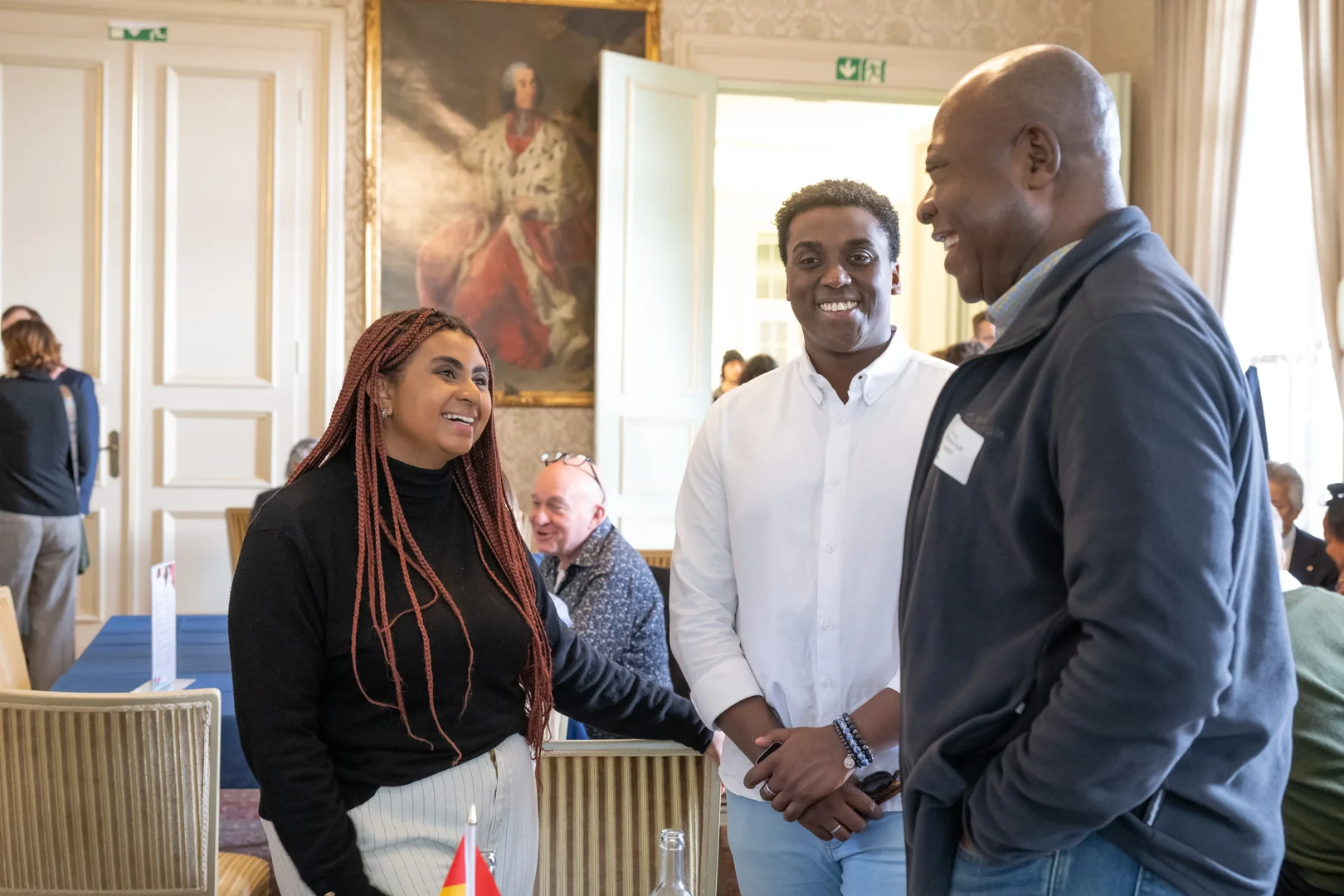


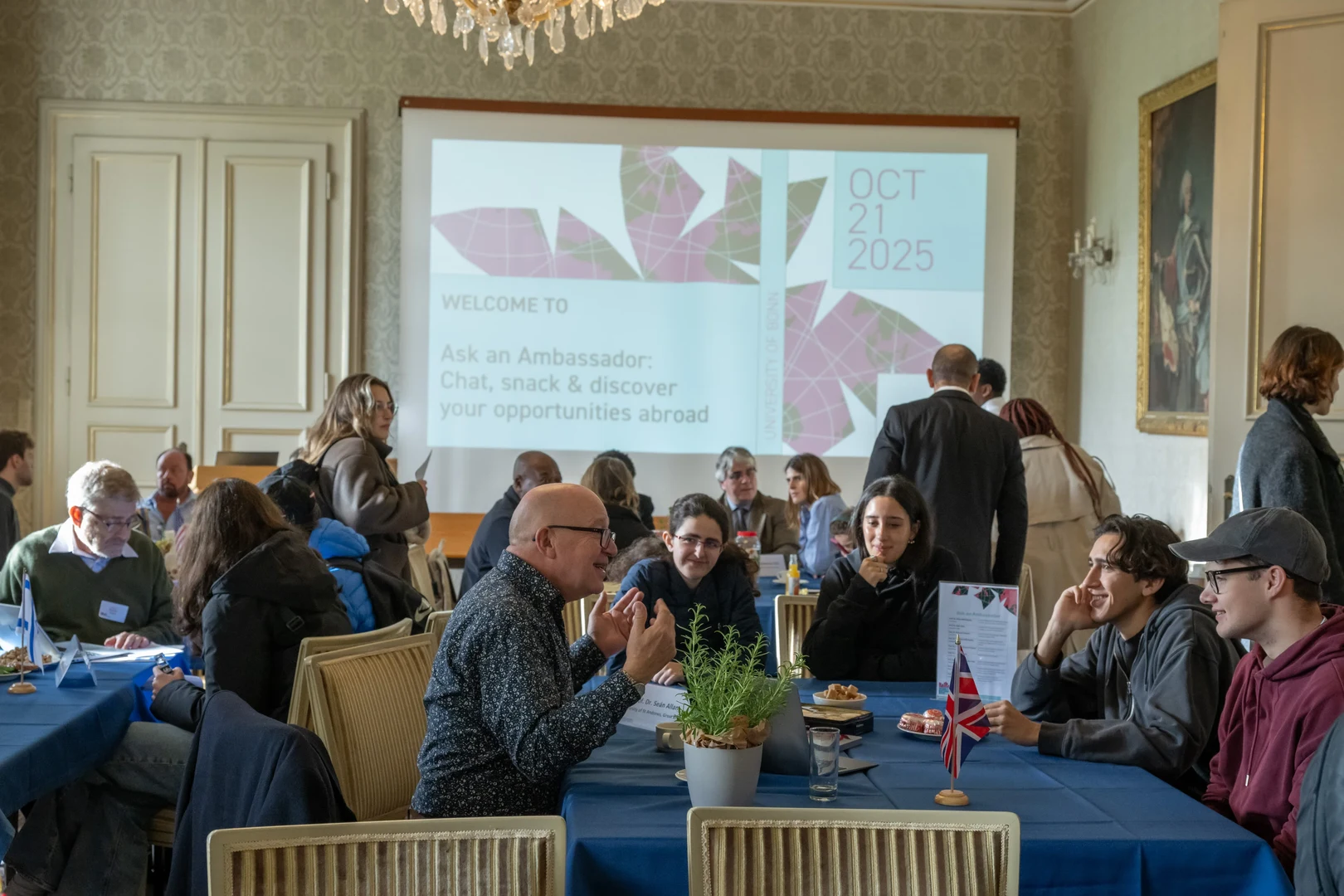
Proceedings kicked off in style with “Ask an Ambassador,” an event where nine Bonn University Ambassadors—all researchers from different countries—presented their home universities and institutions. They talked about opportunities for mobility and cooperation abroad, provided hints and tips and engaged in animated discussions with students and early-career researchers about academic career paths that crossed national borders. All the Ambassadors, who have enjoyed close ties to the University of Bonn for many years thanks to a research visit earlier on in their careers, work hard to spread the word in their home countries about coming to Bonn to study and do research.
A new space for international encounters
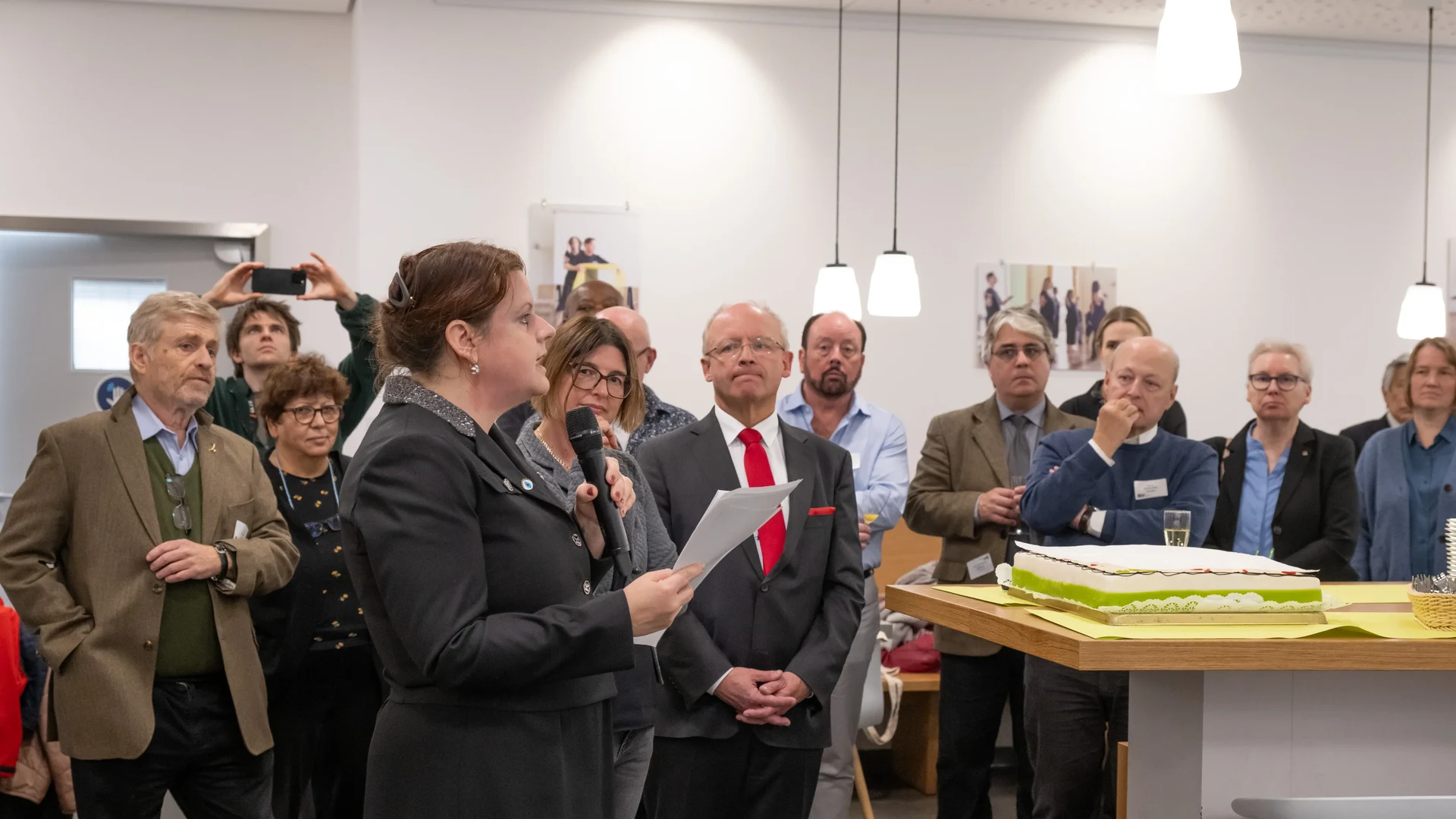
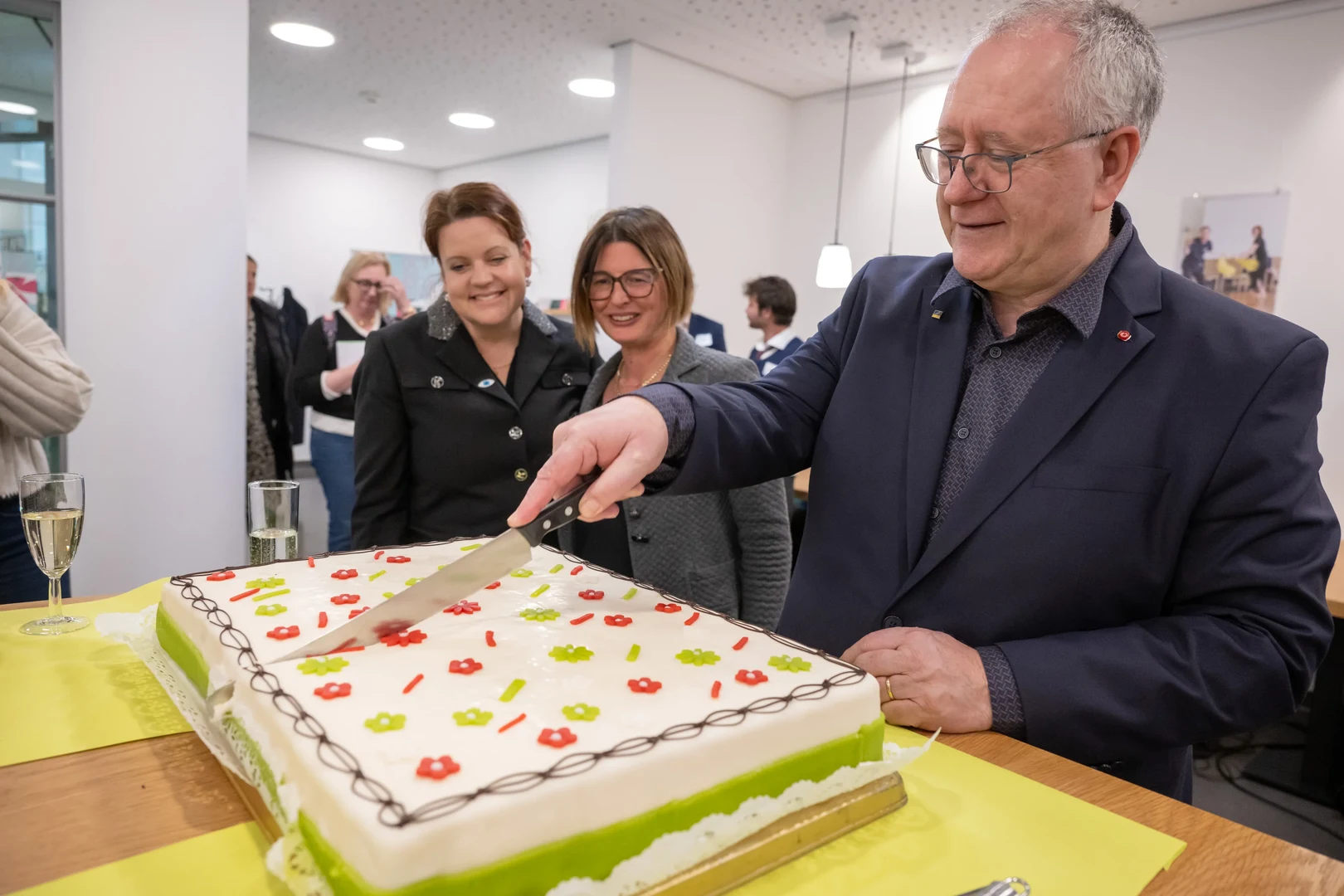
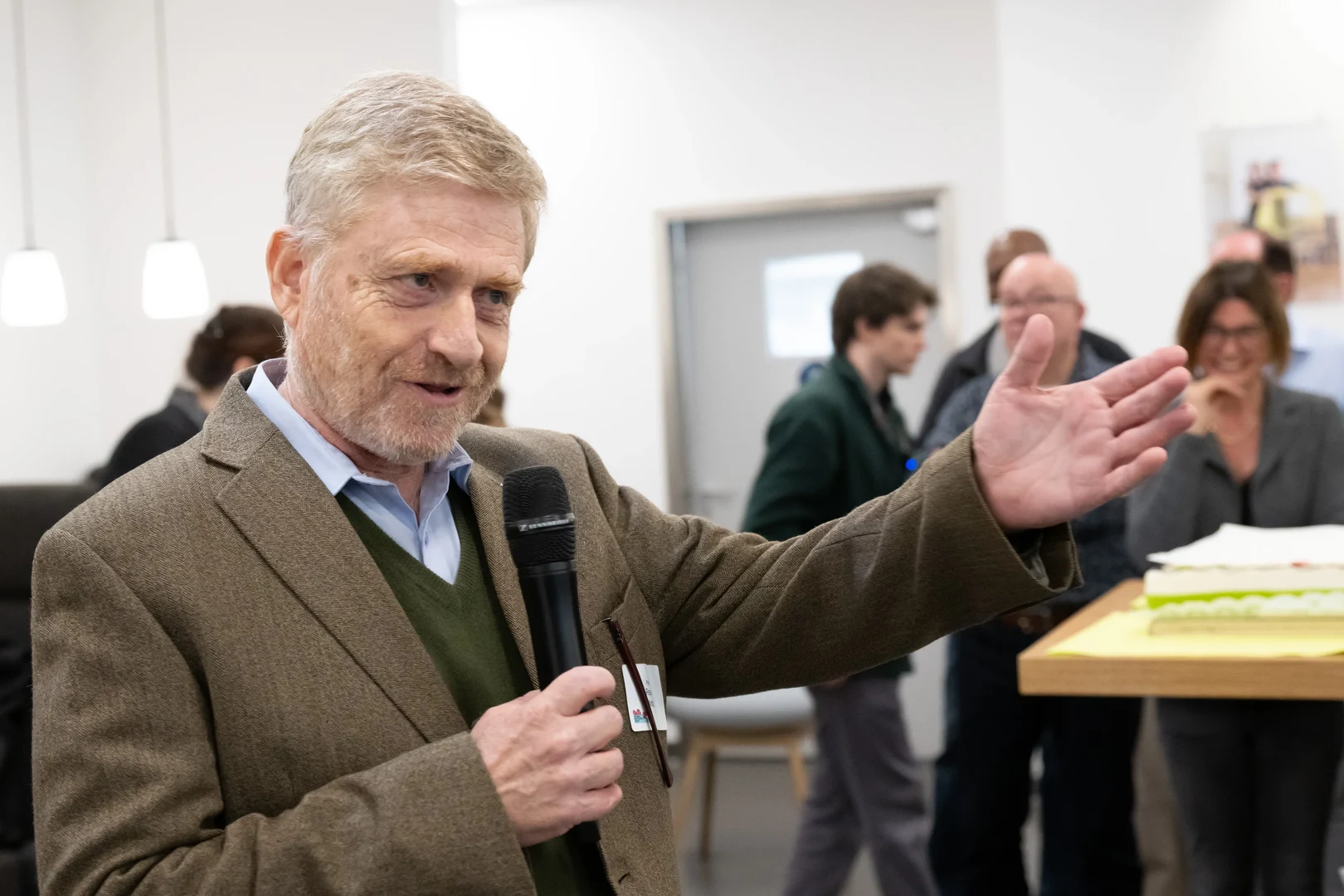
Next up was the official opening of Leah’s World Café, which has already attracted an army of fans in the eight months since it relocated to no. 8 Rabinstraße from the University Main Building. Designed by the Vice Rectorate for International Affairs in partnership with the Studierendenwerk, the new meeting place is intended to provide students, researchers and visitors with a space for intercultural dialogue, creative projects and informal get-togethers. The café is named after University of Bonn alumna Leah Goldberg, who obtained her doctorate from the Faculty of Arts in 1933 before going on to become a major poet, author and playwright.
The concept behind the café combines the idea of international encounters with scientific curiosity and artistic expression. Alongside regular meet-ups and cultural events, therefore, it hosts temporary exhibitions of University projects with an international element. Currently on show is the exhibition “To preserve roots. To grow roots.” Curated by the Vice Rectorate for International Affairs together with a fellow of the Cologne/Bonn Academy in Exile, it features photographs by Volker Lannert, specifically snapshots of the Ukrainian improvisational theater group “sGRAia.”
Vice Rector Professor Birgit Ulrike Münch said: “We want to use this space to showcase how diverse our University is while also commemorating a truly impressive woman in Leah Goldberg, whose academic career began here in Bonn all those years ago. Hers was a career shaped by the bitter experience of exile as well as a commitment to dialogue and the joy of discovering new cultures and learning new languages. This link to Leah Goldberg symbolizes the kind of ideals we want to promote with this World Café.”
“This café offers an inspiring space for encounters and dialogue,” added Rector Professor Michael Hoch. “Students, staff, researchers and teachers from all over the world congregate here to enjoy conversation in an atmosphere free of any sense of hierarchy. In times of global tensions, places like these—especially at universities—are more important than ever, because science and academia bring people together and build bridges.”
Presentation of the state awards and the DAAD Prize
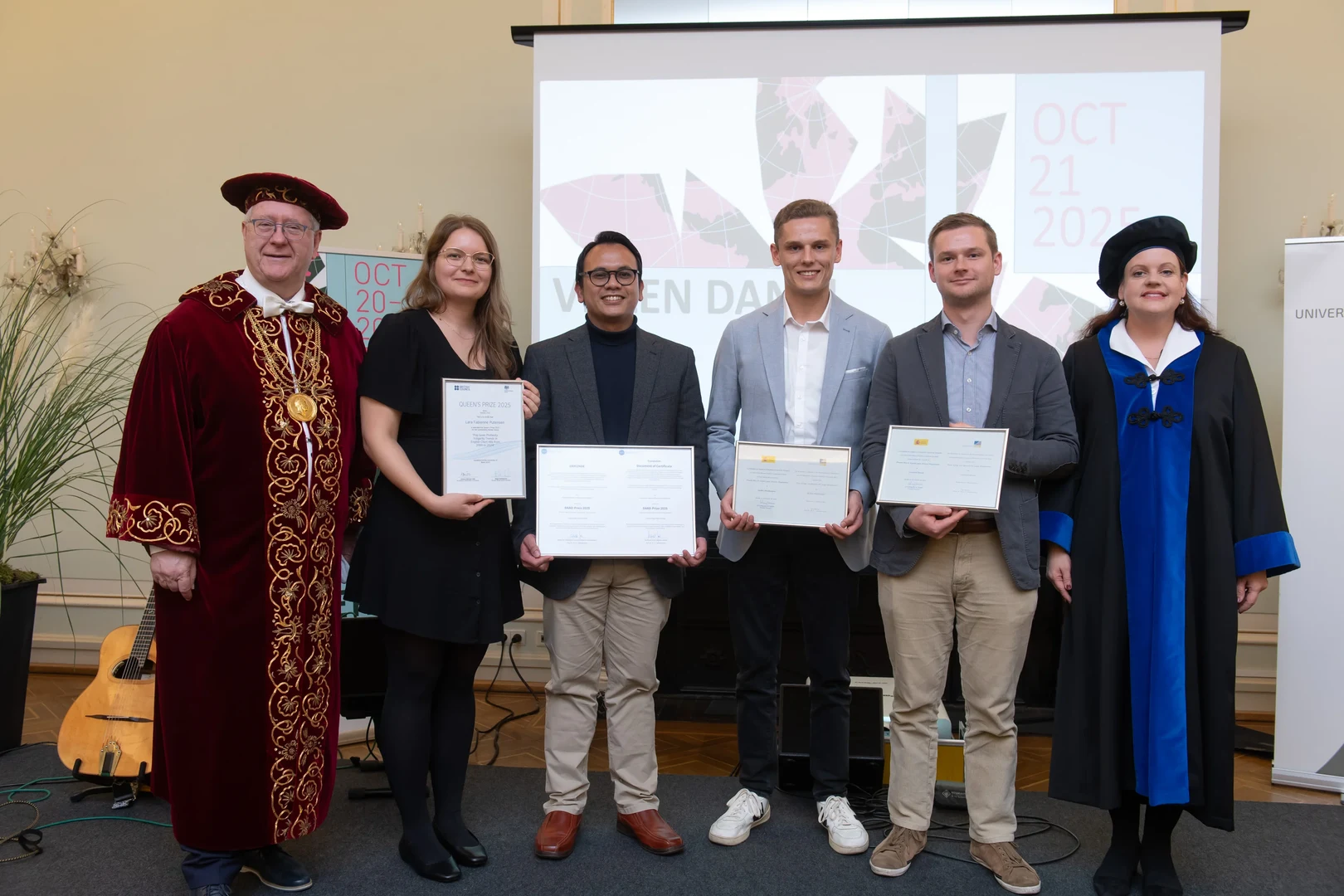
The International Days culminated in a ceremony held to present the state awards and the DAAD Prize, which was attended by a great many guests from the worlds of science, academia, diplomacy and politics and given musical accompaniment by the international group Astatine & Sobo. Five exceptional early-career researchers were recognized for their superlative achievements with the prizes, which are sponsored by the French, Spanish and UK governments and the German Academic Exchange Service (DAAD) and which honor both scientific excellence and social engagement.
Lara Putensen won the Queen’s Prize for her master’s thesis entitled “Pop Goes Profanity: Vulgarity Trends in English Chart Hits from 2000 to 2024,” in which she investigates language change and cultural dynamics in pop music. The Prix de la République française went to Julian Dämpfle, who analyzes some of the opportunities and limitations presented by machine-enabled translation systems in his thesis “Die maschinelle Übersetzung von deutschen Pressetexten ins Französische mit DeepL. Eine Fehleranalyse” (“Machine-Translating German Press Texts into French using DeepL. An Analysis of Errors”).
Meanwhile, the Premio Rey de España was shared between Steffen Heidkämper and Leonhard Brandt. Heidkämper’s bachelor’s thesis looked at collective identity building in Argentinian and Chilean football songs, while Brandt’s master’s thesis “Die Natur des Widerstands – Cuerpo-Territorio bei Menchú und Payeras?” (“The Nature of Resistance—Cuerpo-Territorio in Menchú and Payeras?”) studied eco-feminist viewpoints in Guatemalan testimonial literature of the civil war.
The winner of this year’s prestigious DAAD Prize was Yohanes Ginting, who began his doctorate on carbon dynamics in tropical peat bogs on Borneo at the Institute of Geosciences in 2023. Alongside his own research work, he is also involved in environmental education and building international research networks.
University of Bonn enriched by global diversity
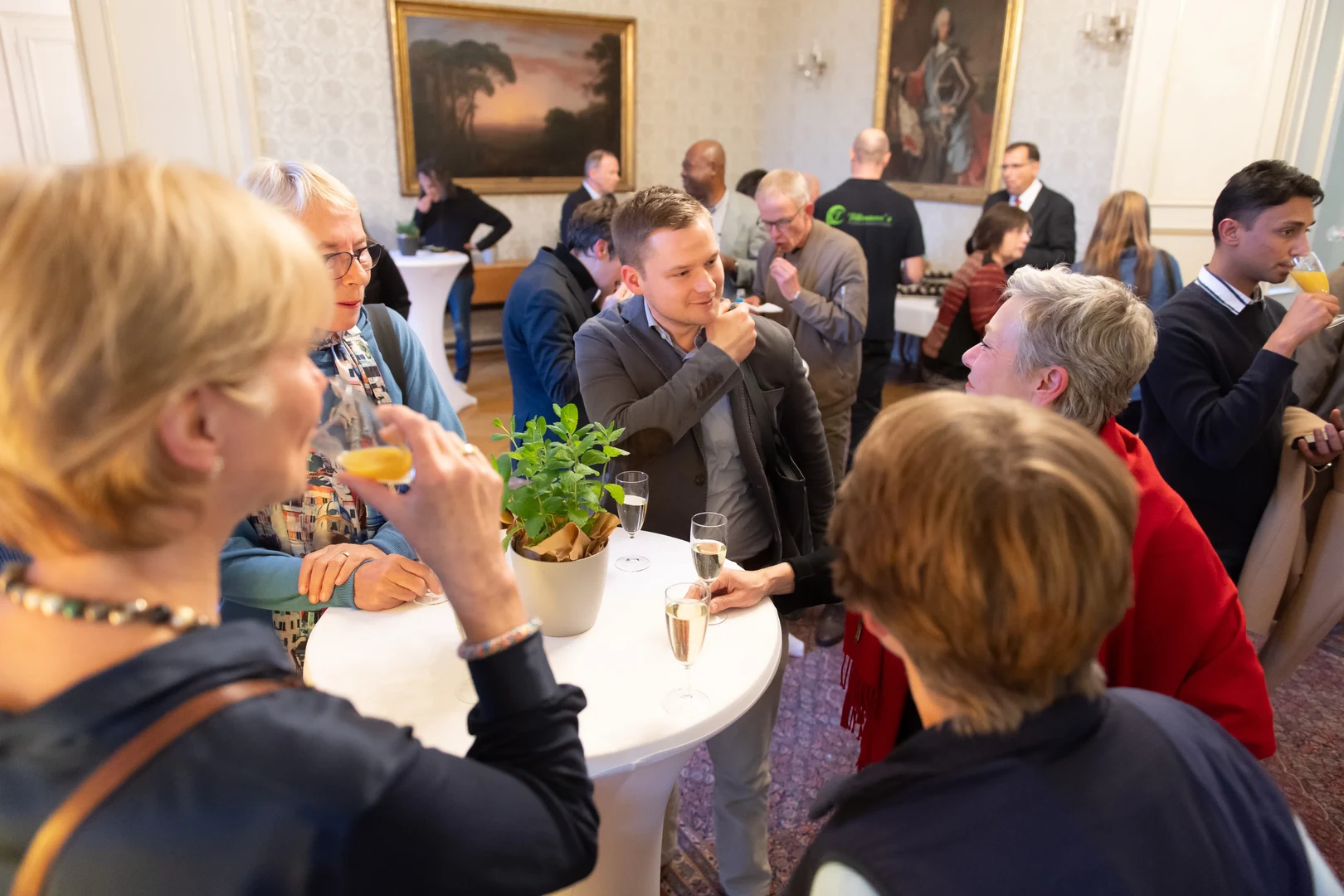
The awards ceremony was enhanced by an inspiring keynote address from Professor Pratyush Shankar, a Bonn University Ambassador and professor at Navrachana University in India. In his lecture, entitled “The Promise of the City: Imagining the Future of Urban Communities in India,” he reflected on how cities can drive societal transformation in their capacity as places of diversity and creativity. This was followed by a reception in the Senate Hall, where the prizewinners could chat to representatives of the sponsor governments, the DAAD and numerous international partners.
“These two days have shown yet again how much potential lies in direct, face-to-face dialogue,” Vice Rector Münch observed. “The International Days bring together all the elements that make our University what it is: openness, closeness and the courage to adopt new points of view. In particular, the community made up of the key players from this year’s event—our students who went ‘speed-dating’ with our Ambassadors from all over the globe, our prizewinners and the representatives from the foreign embassies—is synonymous with a culture of dialogue that we want to strengthen with other parts of the world too going forward. It’s also important to make even more strategic use of the research partnerships that our Ambassadors have forged with our researchers.”
With its broad range of formats, from academic debates and awards ceremonies through to one-to-one encounters, this year’s International Days have proven for the fifth time what a vibrant, diverse and interconnected position the University of Bonn enjoys in the international research landscape.