

To generate new knowledge, scientists must be familiar with the current state of research and understand the fundamentals necessary to apply current technologies. To this end, the DRD1 collaboration — a loose association of international researchers working on the further development of gas-filled particle detectors — organises the annual DRD1 Gaseous Detectors School to train young researchers in the use of gas-filled detectors. Here, DRD1 members teach master's students, doctoral candidates, and prospective postdocs from around the world about the physical fundamentals, technical aspects, and applications of detectors. 'Many participants have already worked with a detector. At the DRD1 Gaseous Detectors School, they also learn about other detectors and new measurement principles,' explains Dr Philip Hauer from the Research and Technology Centre for Detector Physics (FTD) at the University of Bonn.
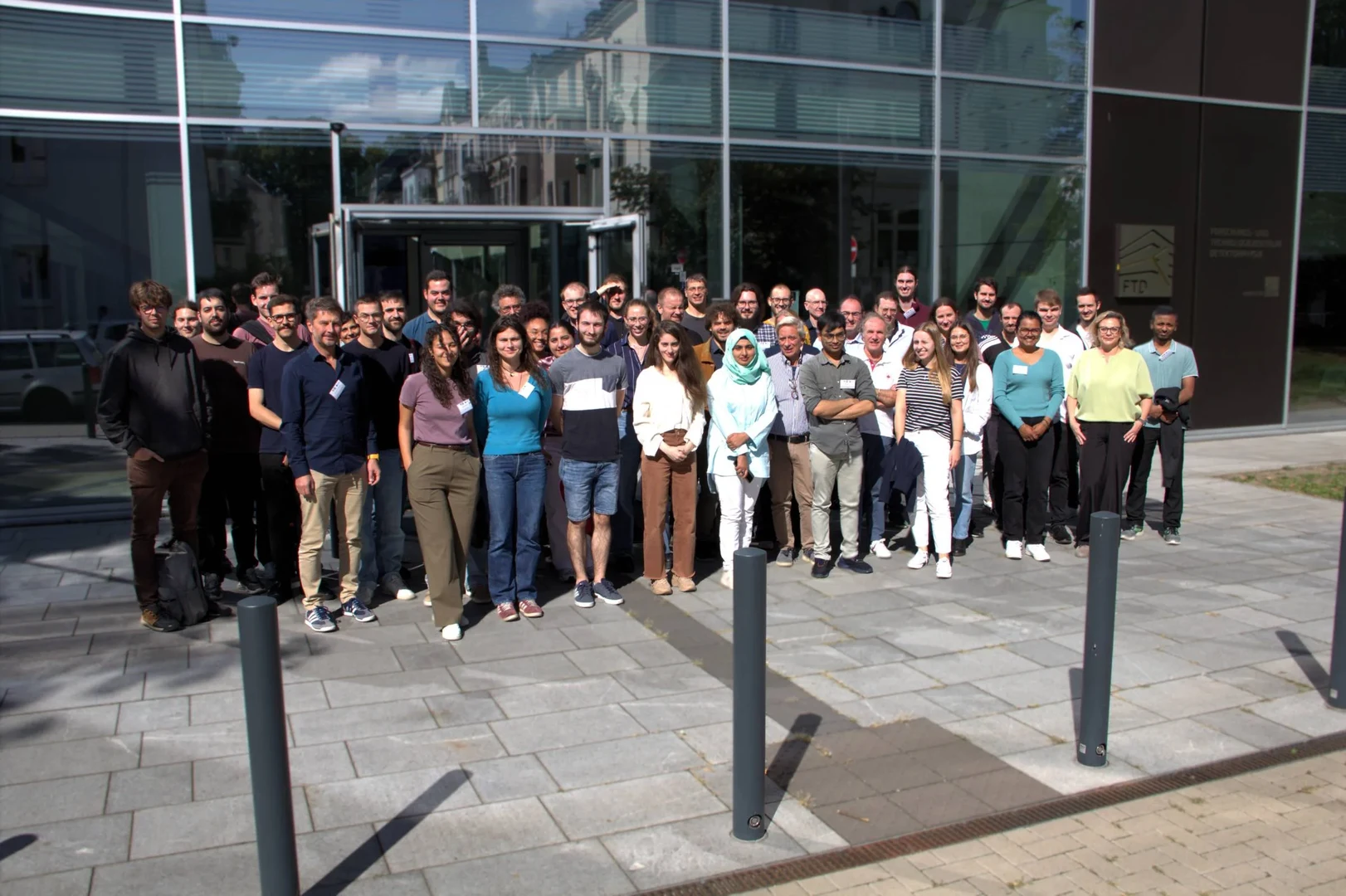
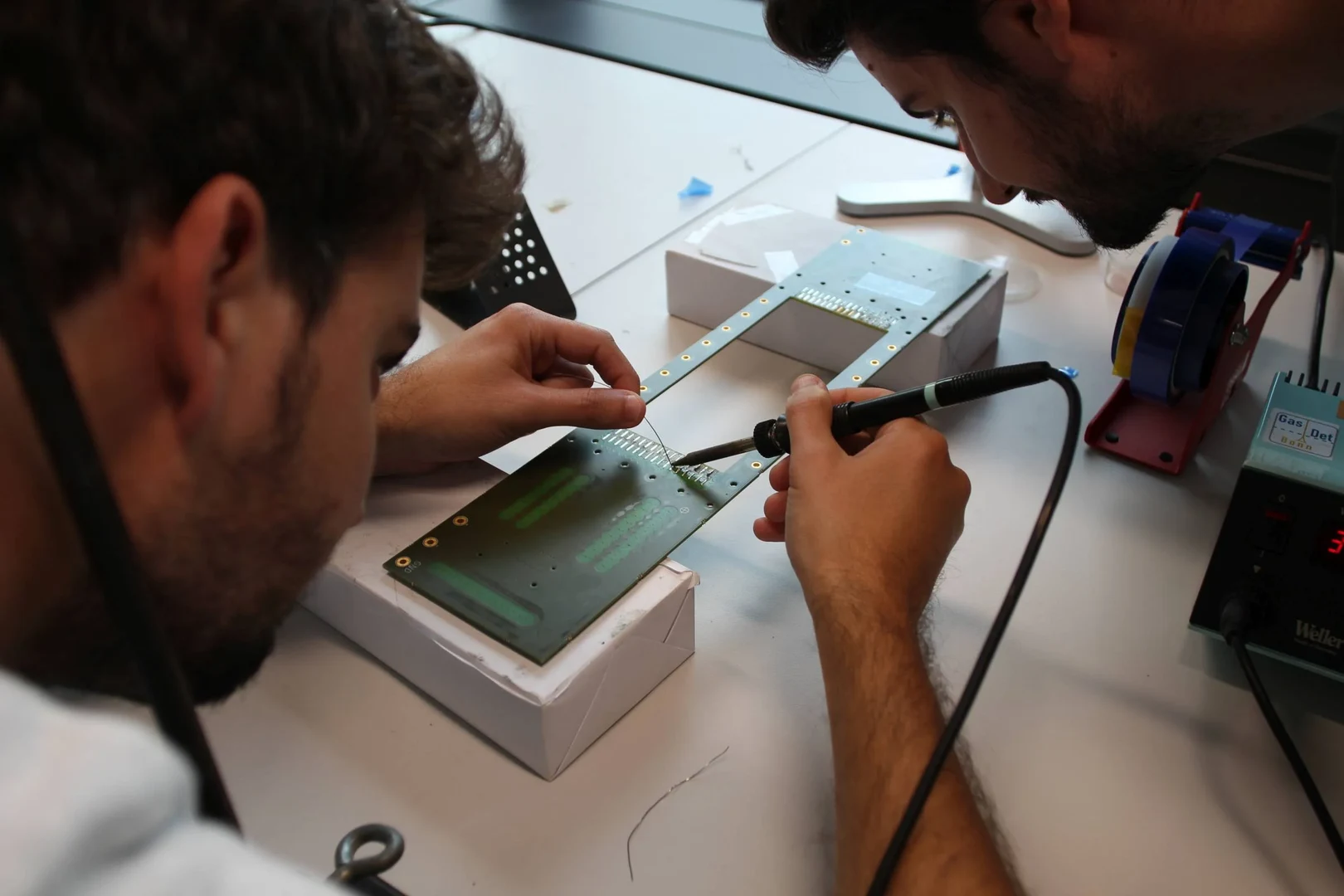
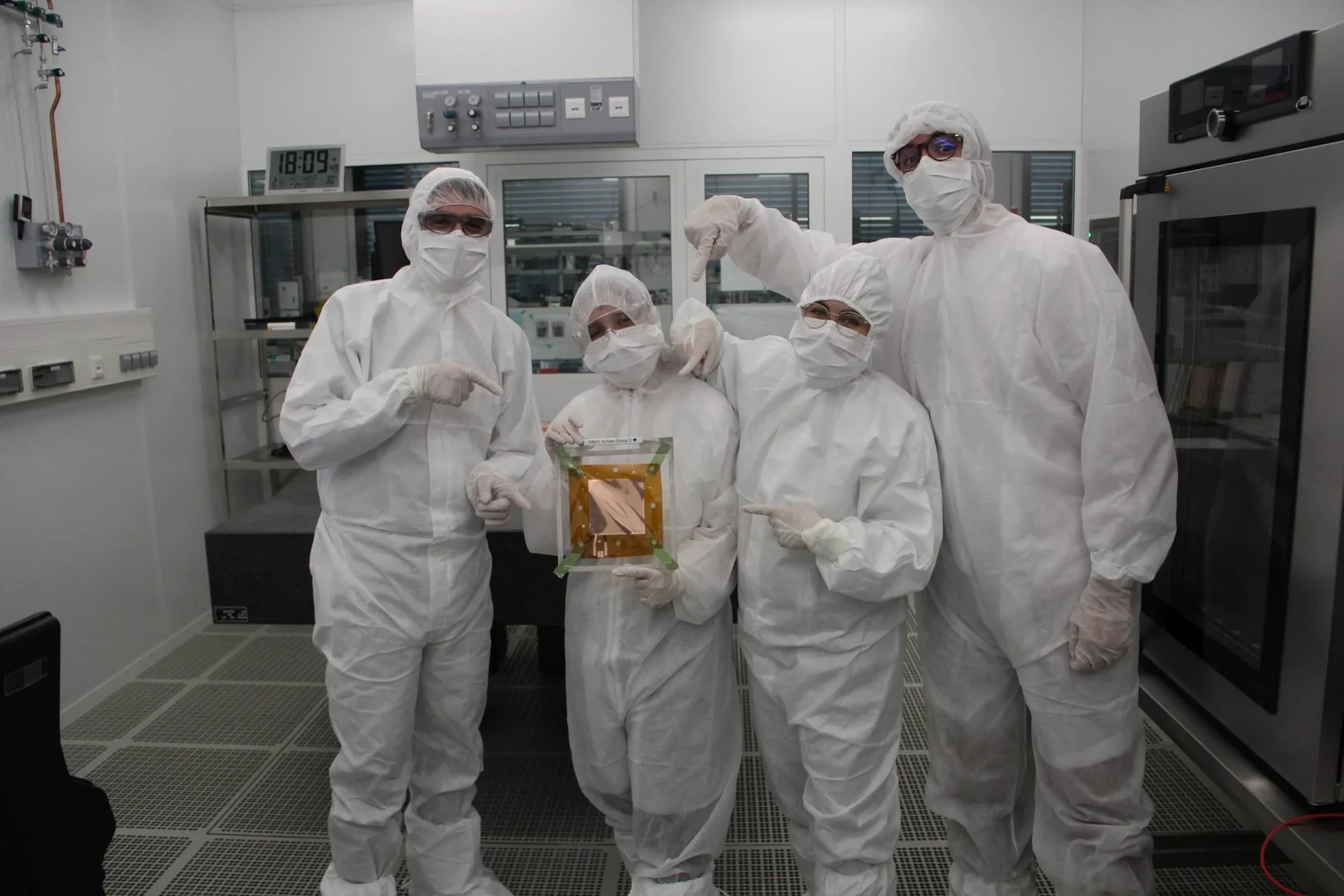
The annual training course had previously been held at CERN, but this year the FTD hosted it for the first time. “We have the perfect facilities for this course. We have excellent infrastructure for working with gas-filled particle detectors, our researchers are highly experienced in this field, and we have the necessary premises to hold the lectures.” Twenty-five students from all over the world came to Bonn to attend lectures by leading international experts in the mornings and gain hands-on experience in the afternoons by building and operating detectors in various exercises.
Global collaboration for particle detector research
DRD1 is one of eight global collaborations working on a variety of particle detectors. DRD stands for 'Detector Research and Development'. DRD1 focuses on gas-filled particle detectors and their further development, for example operating them with environmentally friendly gases. Members of DRD1 include the working group of Prof. Klaus Desch from the Physics Institute of the University of Bonn and the working group of Prof. Bernhard Ketzer from the Helmholtz Institute for Radiation and Nuclear Physics.