

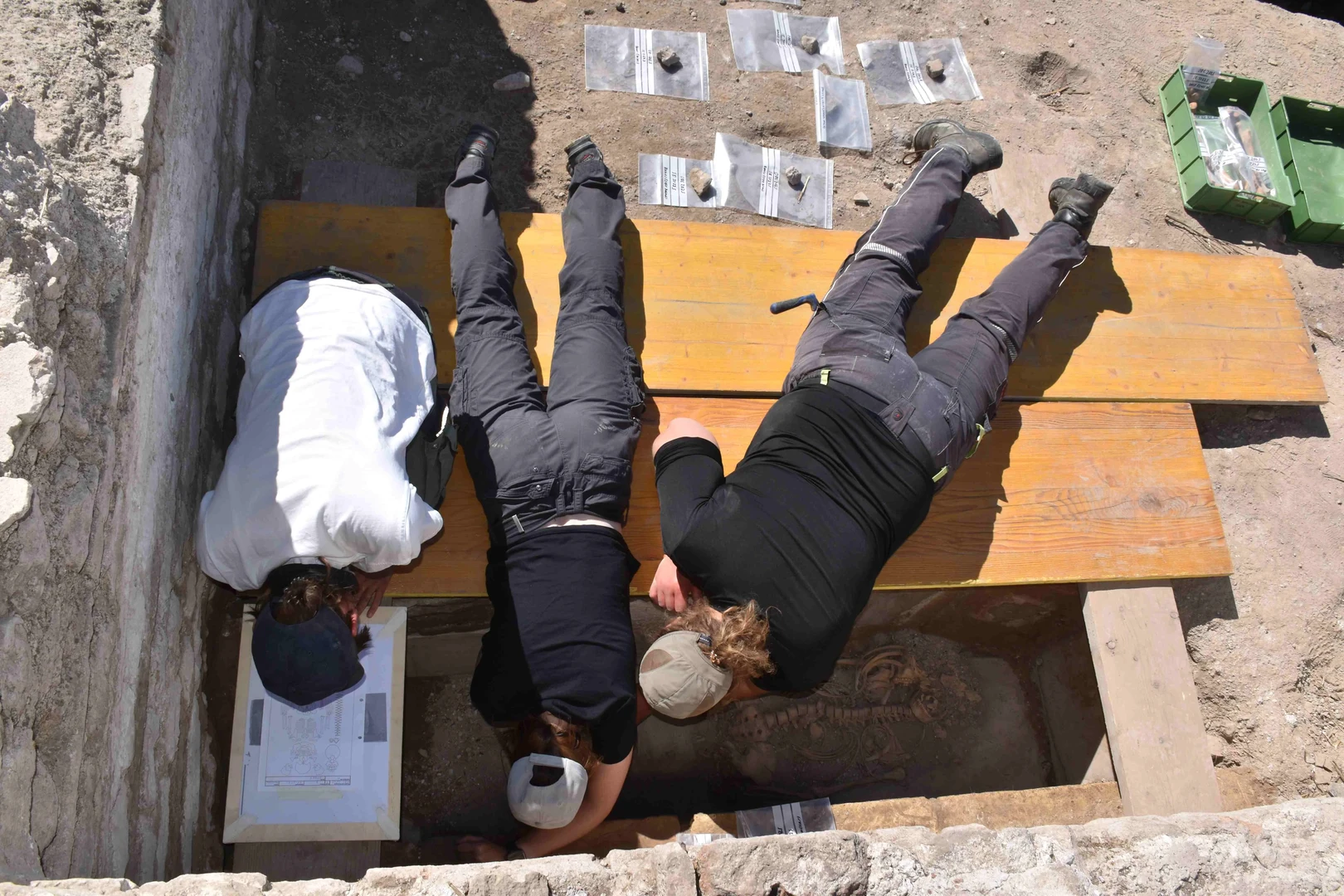
Even though there is hardly any uncharted territory left on the map, many secrets of times past have now been revealed and modern technologies are making researchers’ lives easier, field trips are still uncovering previously unknown things and exerting a particular fascination on us. But what exactly does a researcher’s daily routine look like in the field? How do people spend six weeks living and working crammed into a research vessel in the Arctic? What is everyday research life like in the Amazon? How are archaeological finds taken out of the ground—and what happens if something goes wrong in the process?
Members of the public can get answers to these and many other questions thanks to the “Uni Bonn On Tour” format, which lets them quiz researchers directly. Their responses are published on the University’s website and Instagram channel and supplemented by personal insights into daily life on expeditions and field trips as well as into the scientific work done on the ground.
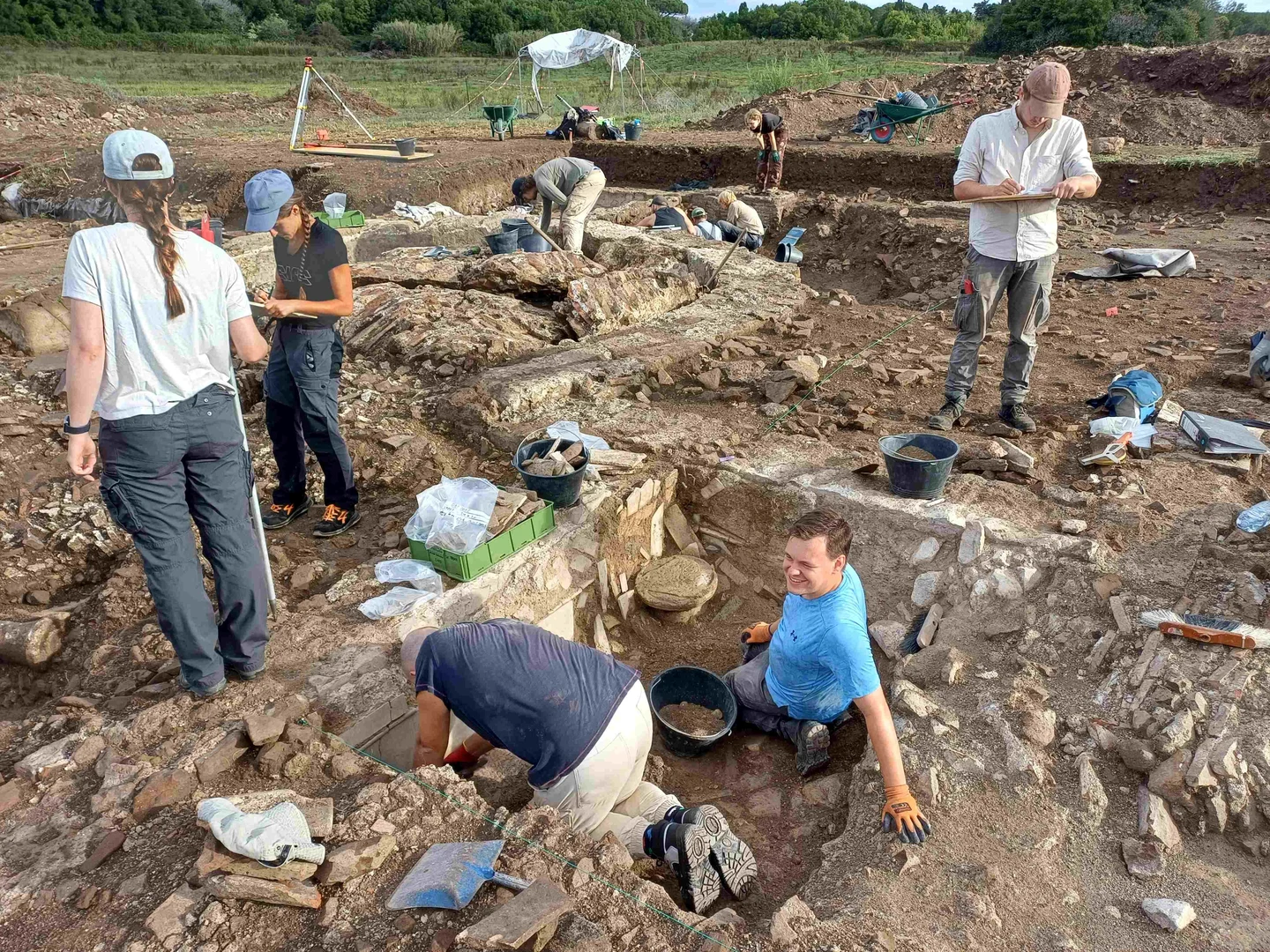
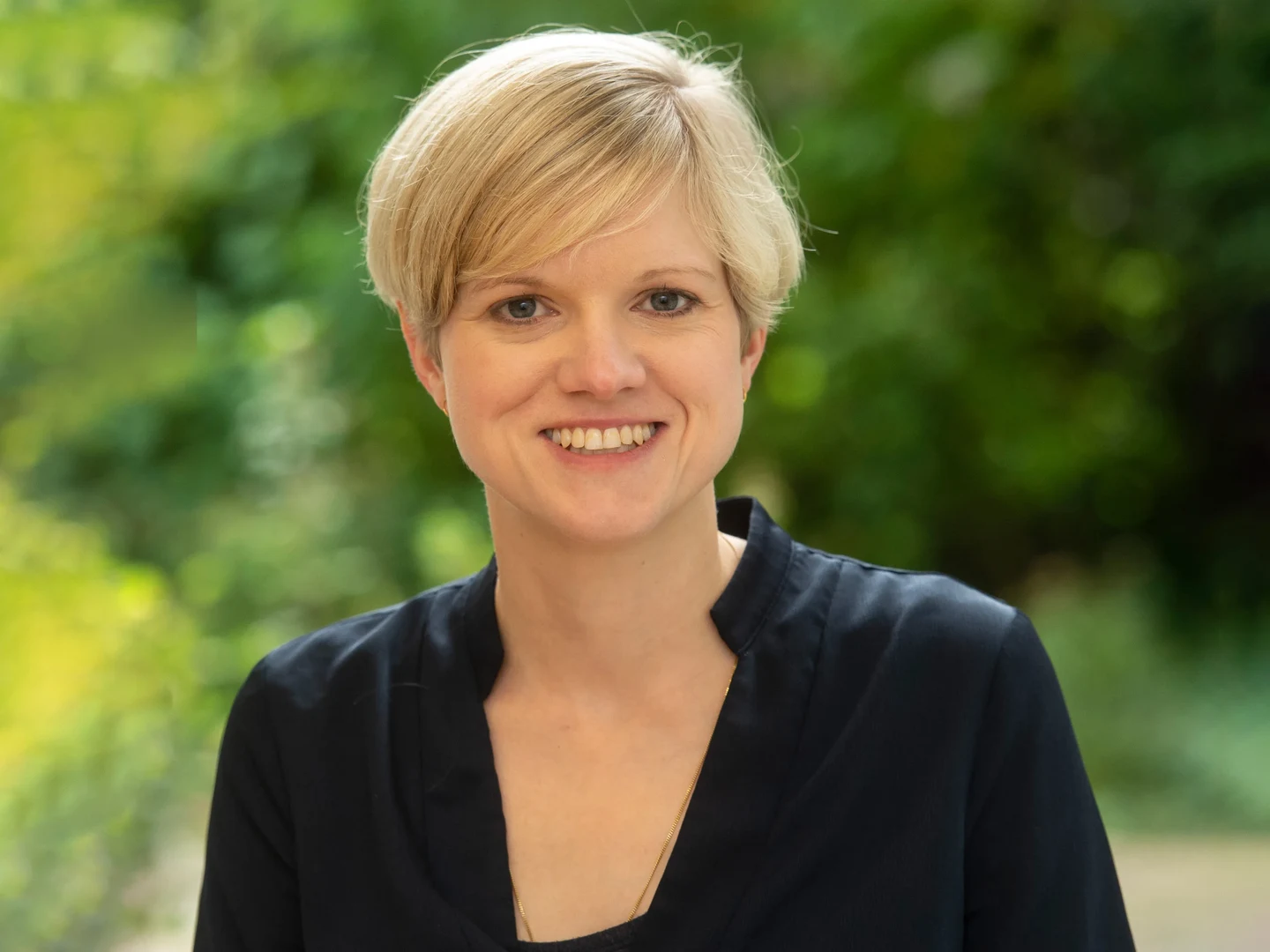
The next installment of “Uni Bonn On Tour” will accompany Professor Sabine Feist from the Department of Christian Archaeology as she leads a dig in Ostia, not far from Rome, in September and October.
Ostian pomp and circumstance
Under Emperor Constantine the Great, the most important supporter of early Christianity and the builder of monumental churches, one of the earliest and largest examples of these ever discovered was constructed roughly 1,700 years ago on the site of what is now the archaeological park of Ostia Antica not far from Rome. Serving more or less as the blueprint for other monumental buildings such as Cologne Cathedral or Ulm Minster, it was also accompanied by a sumptuously furnished bishop’s residence next door.
Funded by the German Research Foundation (Deutsche Forschungsgemeinschaft, DFG), archaeologists have been working there since 2023 under the guidance of Feist and her colleagues Professor Michael Heinzelmann from the University of Cologne and Professor Norbert Zimmermann from the Rome Department of the German Archaeological Institute. The three members of the team each bring a different discipline to the table: Heinzelmann is a classical archaeologist, while Zimmermann specializes in painting and Feist in architecture. Emanuela Borgia from Sapienza University of Rome and her team are responsible for small finds, particularly ceramics.
Aside from the huge church, the researchers’ excavations in 2025 also revealed the adjacent bishop’s residence complete with what turned out to have been the grand hall, or aula, from the bishop’s palace—undoubtedly the real surprise of the dig. “There’s nothing else from the Constantinian period to compare to this,” says Feist, who is also a member of the Present Pasts Transdisciplinary Research Area and the Bonn Center for Dependency and Slavery Studies (BCDSS). “The bishops constituted a new class in late antiquity, one that first had to get themselves established—no expense spared.”
The dig in September and October will focus on the rooms that join directly onto the aula. “We don’t have any similar examples of these rooms either from previous archaeology, and the written sources tell us even less,” Feist explains. “So we’re hoping for some new insights into the lives of the early bishops.”
Members of the public can now email their questions to the archaeologists at kommunikation@uni-bonn.de or using the University‘s Instagram account @universitaetbonn. Their answers will then be posted here at regular intervals from September 7 onward.