

The United Nations Office for Outer Space Affairs (UNOOSA) promotes international cooperation on such peaceful uses of outer space. The UN Platform for Space-based Information for Disaster Management and Emergency Response (UN-SPIDER) specializes in the application of technologies for such emergency response measures. The platform aims to ensure that all countries and organizations have access to space-based information and develop the expertise to use it appropriately. The third member of the alliance, the International Peace Association (IPA Space), is a non-profit organization that promotes the establishment of a culture of peace through civic engagement.
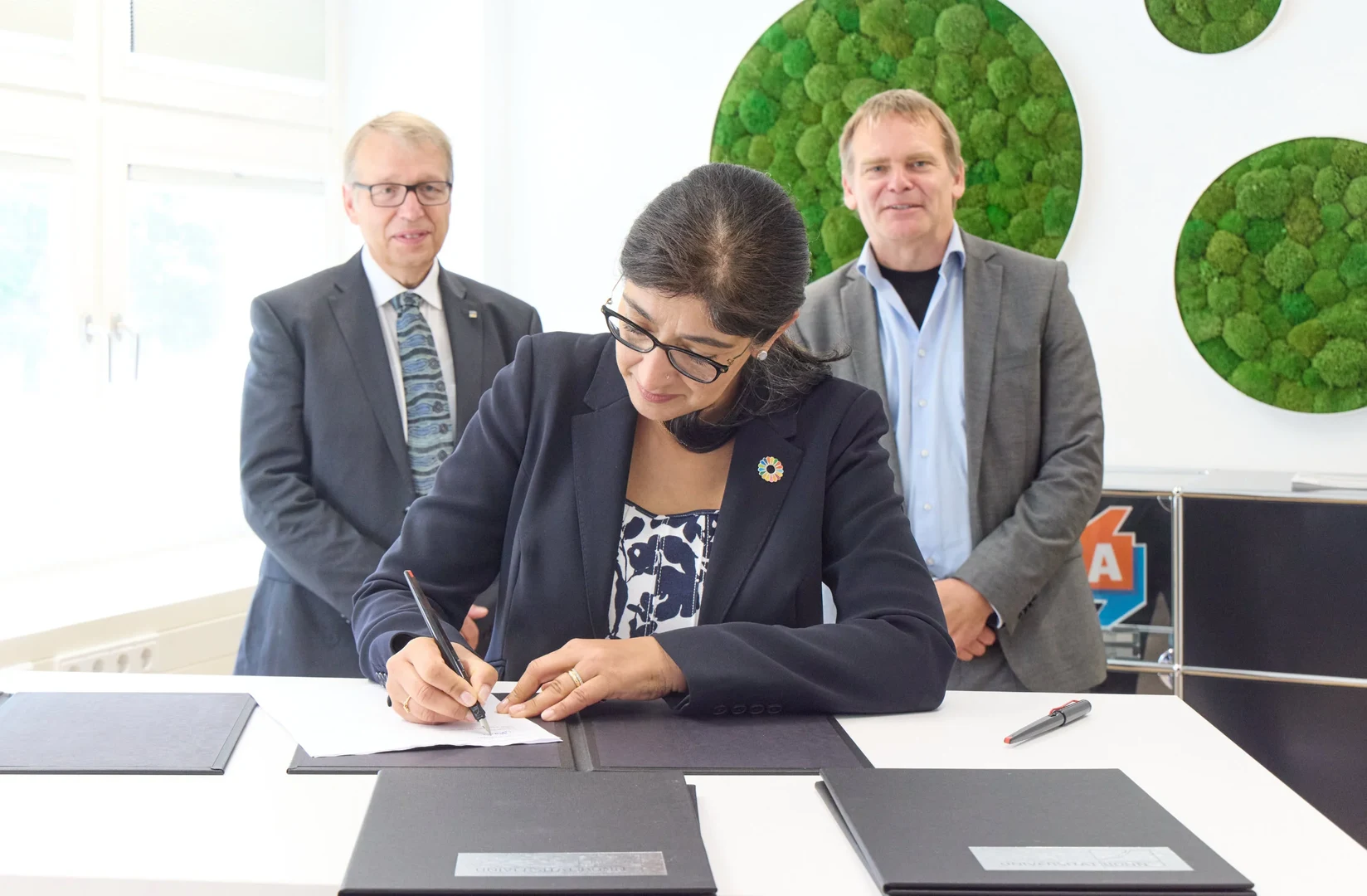
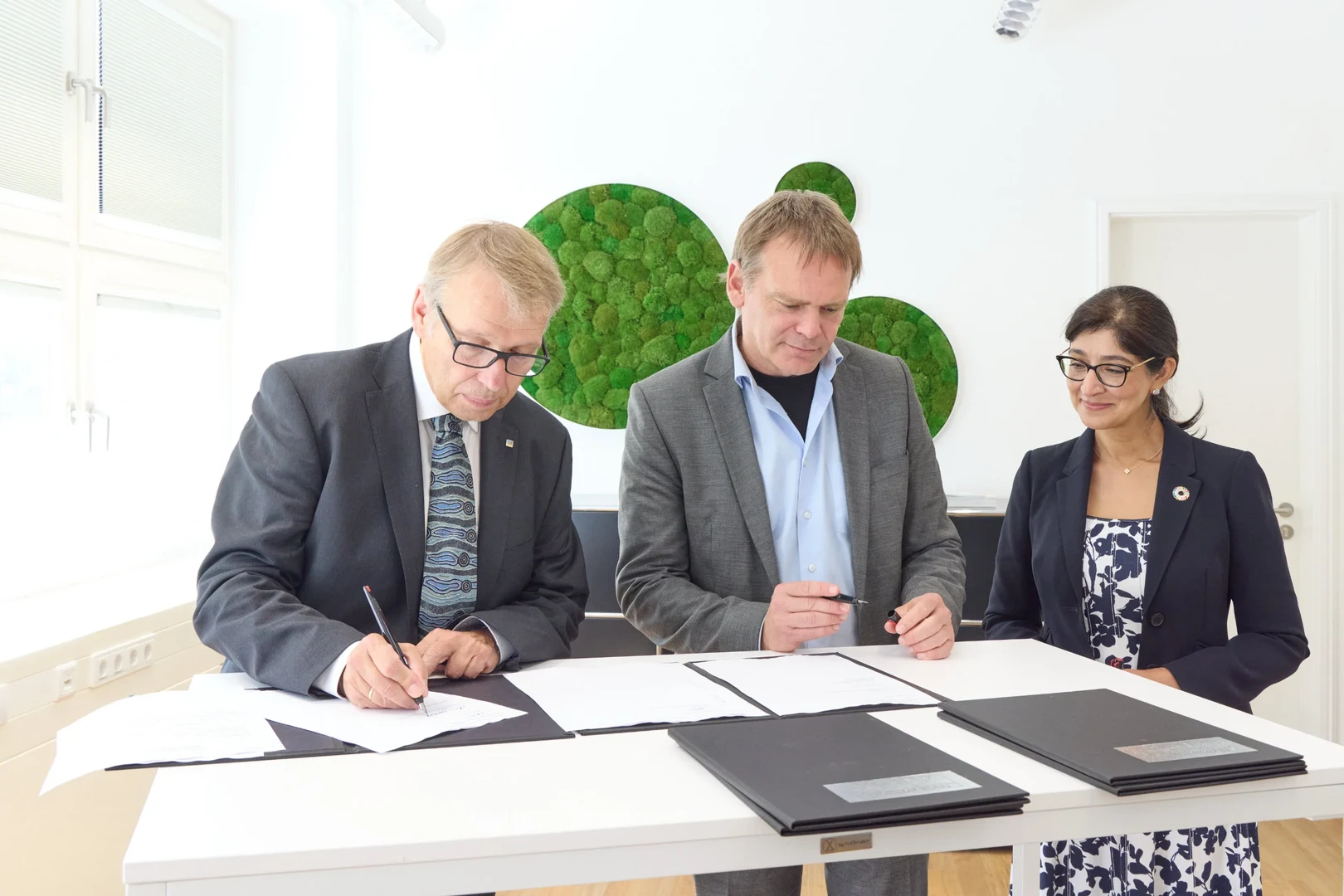
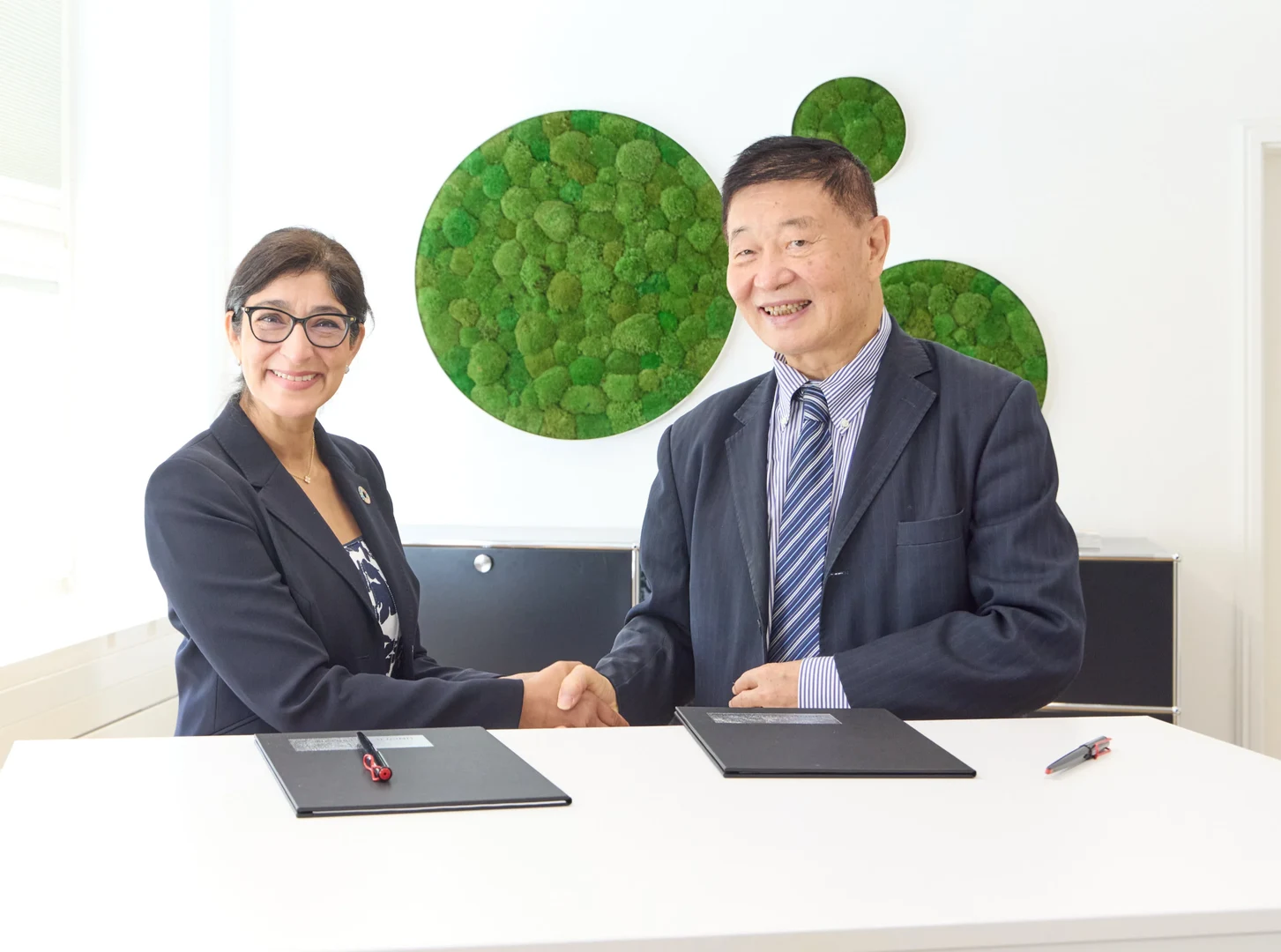
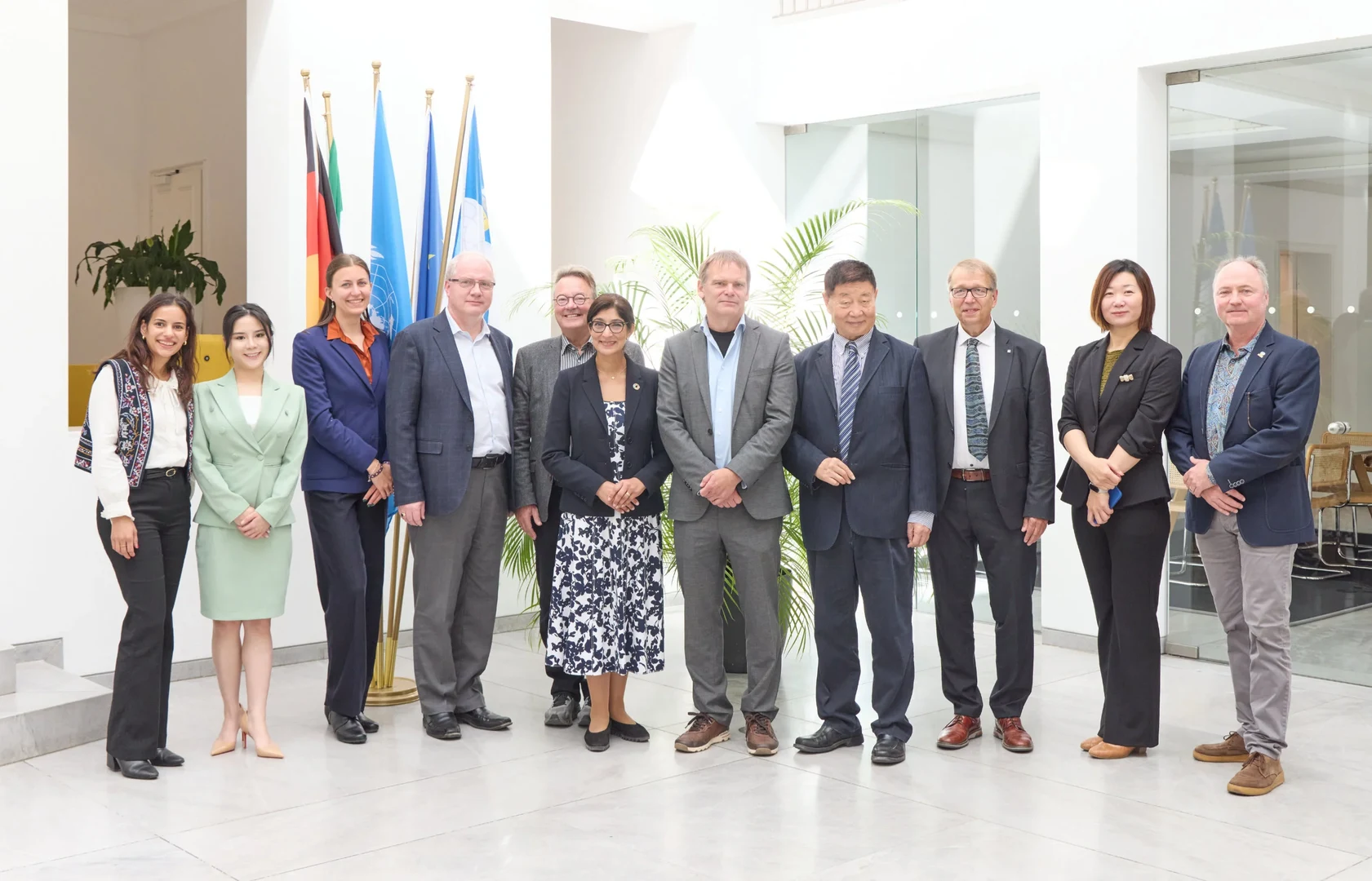
High-ranking representatives from all three institutions attended the ceremony at the University of Bonn's rectorate: Aarti Holla-Maini, Director of UNOOSA, Dr. Wang Tianyi, Chairman of the Board of IPA, and Prof. Dr. Klaus Sandmann, Vice Rector for Studies, Teaching, and University Development. The official signing of the agreement marks an important step toward strengthening global cooperation on space-based solutions for sustainable development and disaster preparedness.
The four-year collaboration between the University of Bonn and IPA Space aims to combine their complementary strengths to advance UNOOSA's mission of global capacity building and outreach. Building on UNOOSA's UN-SPIDER program and IPA Space's IPSPACE symposium platform, the partnership brings together expertise, extensive international networks, and proven coordination capabilities.
The University of Bonn, in particular the Center for Remote Sensing of Land Surfaces (ZFL), supports the UN-SPIDER office in Bonn, a long-standing hub for research, training, and advisory services on the peaceful use of space-based information for disaster risk reduction and sustainable development. Over the past decade, the Bonn office has built a global network of experts, produced highly regarded technical guidelines, and hosted annual conferences that translate research findings into policy recommendations.
Responding to a global need
The partnership responds to the growing need for timely, high-quality space-based insights and training to support governments and local communities worldwide. By combining the strengths of all three institutions, the project aims to intensify knowledge sharing, research collaboration, and educational initiatives in the global space community.
Looking ahead to the next four years, the collaboration will provide predictable resources for multi-year planning and, beyond one-off events, will lead to a portfolio of activities that promote long-term capacity and innovation. The collaboration thus reaffirms the commitment of all three partners to ensuring that space technology benefits all sectors of society.