


Audiovisual Media for Teaching
Audiovisual media such as teaching videos, podcasts, and lecture recordings encourage flexible, self-directed learning. They enable learners to review and consolidate content, support different learning styles, and both enrich and enhance teaching at various levels. This page provides information about the support services available for creating and using audiovisual teaching and learning media at the University of Bonn.
Media equipment and technology in classrooms and lecture recordings
Media equipment and technology in classrooms
The Event Management team in Department 4 advises and supports classroom managers and lecturers on the possibilities offered by media equipment and technology, using and servicing existing systems, and specific requirements for individual events.
Lecture recordings
The eCampus team provides e-lecture services, including guidance and support for recording lectures and other presentations. Here you can find tips on technical implementation as well as details of the available support and services.
Videoconferencing
The University IT and Data Center (HRZ) runs the BigBlueButton, DFNconf and Zoom videconferencing services for use in research and teaching.
Organizing hybrid courses—technical equipment
Department 4 provides guidance on planning hybrid courses and on the use of related mobile or fixed media equipment.
Organizing hybrid courses—structuring teaching
The Bonn Center for Higher Education (BZH) provides guidance and support to lecturers in preparing the teaching components of their hybrid courses. Relevant materials can be found in the “University Teaching and Learning” section (UNI‑Studium und Lehre) on Confluence, accessible via BONNET or VPN.
Collaborating in digital media
Annotation tools such as Recogito Studio allow digital media—including text, photos, images, charts, or scans—to be used collaboratively in teaching, thereby enabling new forms of teaching and learning.
Creating audiovisual media for teaching and learning
If you would like to create your own podcasts or videos for teaching and learning, or encourage students to explore creative learning formats, you can make use of the following services.
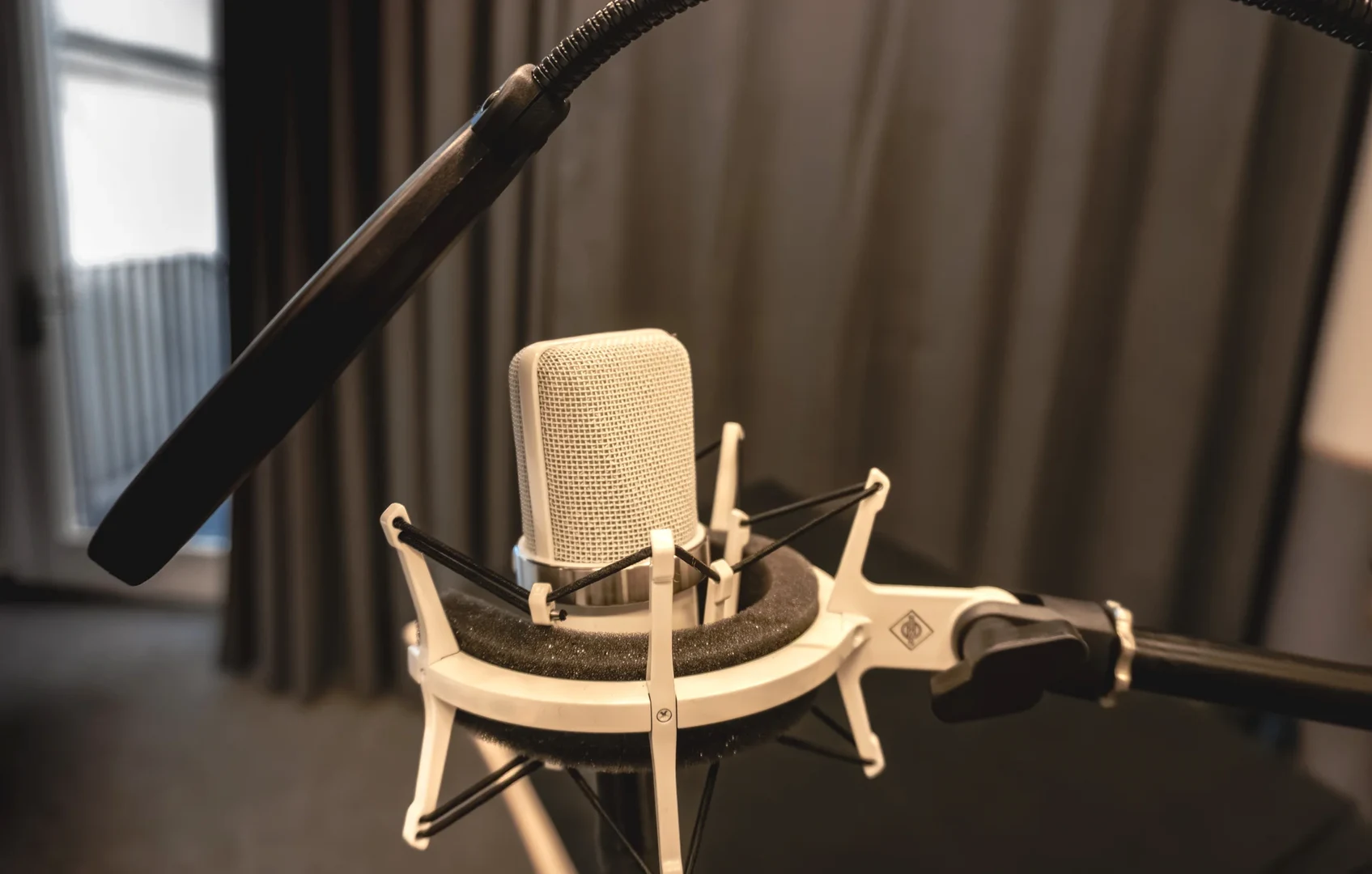
The Media Laboratory at BZH
The Media Lab is a recording studio available to members of the University of Bonn for their studies, research, or teaching. It supports a wide range of applications for both beginners and experienced users.
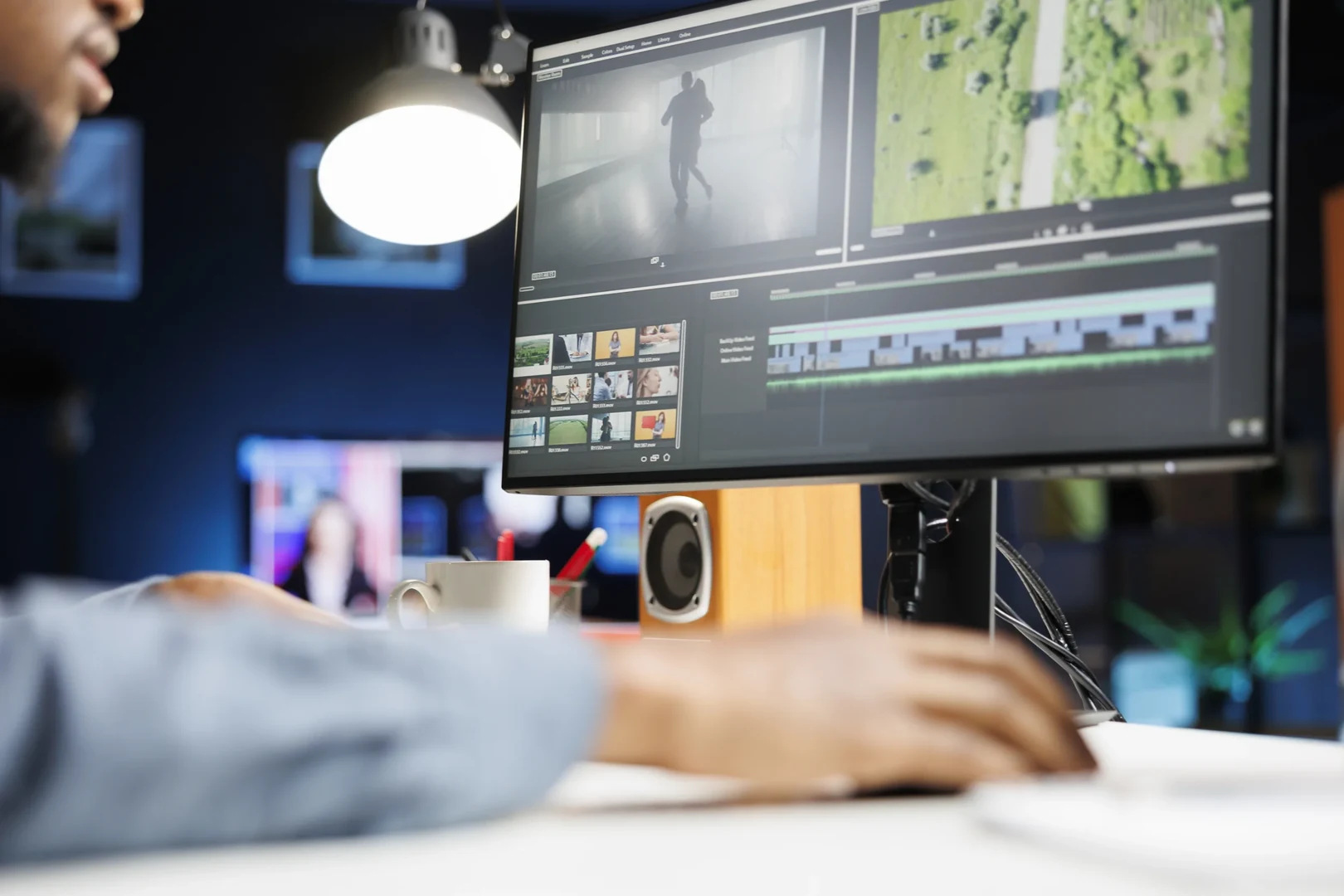
The Media Center at the Bonn University and State Library (USL)
The Media Center in the MNL Branch Library offers PC workstations equipped with video and image editing software, equipment loans and training sessions and serves as a one-stop shop for all the University of Bonn’s media offerings.
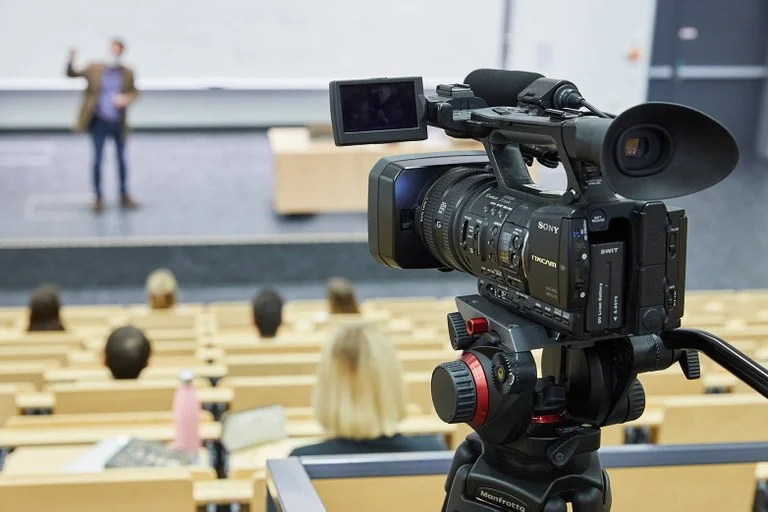
The eCampus video platform
Lecturers can use the eCampus e-lecture platform to record and share videos. Created content can be edited and made available directly on the platform. More details are available on the eCampus website.
Media Design
In addition to their roles as lecturers and researchers, today’s university professors also need to be designers, creating presentations, online learning modules, teaching videos, or visual representations to support their teaching. The eCampus media service and the BZH can help you if you are looking to develop or design teaching and learning materials or receive additional training in this area.
The eCampus media service
The eCampus media service is available to help transform your existing lecture and seminar materials into digital formats. This free service is offered to all lecturers at the University of Bonn and helps them make the most of their teaching resources.
Visual Teaching Techniques
The Bonn Center for Higher Education (BZH) runs regular workshops on this topic (Didaktische Visualisierung) for lecturers as well as student tutors and mentors. You will also be given conceptual advice on visual design and on designing teaching and learning materials in an accessible and user-friendly way.
The Workshop is only offered in German!
Contact
For anything to do with this web page email the BZH at bzh@uni-bonn.de.
For everything else, you will find the relevant contacts on the web pages linked to here.