

The study of evolution focuses on the development of life forms over millions of years, from the simplest early forms up to complex organisms, in the oceans and on land. And this study can be extended to the mineral world, there now being 6,100 known minerals on earth, with new ones being discovered and scientifically described every year. Other rocky planets in our solar system feature but a few hundred types of minerals. Therefore here on earth, something different must have happened. And that is the subject of the new special exhibition opening July 6 at the University of Bonn Mineralogical Museum in Poppelsdorf Palace. Visitors there will go on a journey in time from the growth of the first microcrystals from elements stemming from the birth of the universe on up to the complex diversity now populating planet earth. The Big Bang occurred 14 billion years ago, and our solar system has existed for 4.6 billion years. Tremendous changes took place just a few hundred million years ago that made our planet the way we know it today.
By studying the material the Earth is made of—rock—we can reconstruct what happened in our planetary history. The decay products of the radioactive elements that exist in minerals are analyzed to measure when a given mineral was formed. Our neighboring rocky planets have only a few hundred minerals to show, as compared to the over 6,000 minerals on Earth.
Why is our home planet so special in this regard? Many factors: the earth is neither too hot nor too cold; it has liquid water and a protective atmosphere. The Earth’s interior itself plays a role in promoting the diversity of our mineral world. Heat from the Earth’s core drives material flows into the mantle layer, upon which the plates move. The primary reason behind Earth’s mineral diversity is probably the fact that life has existed on our planet for billions of years. For these life forms are largely the cause of oxygen entering the atmosphere.
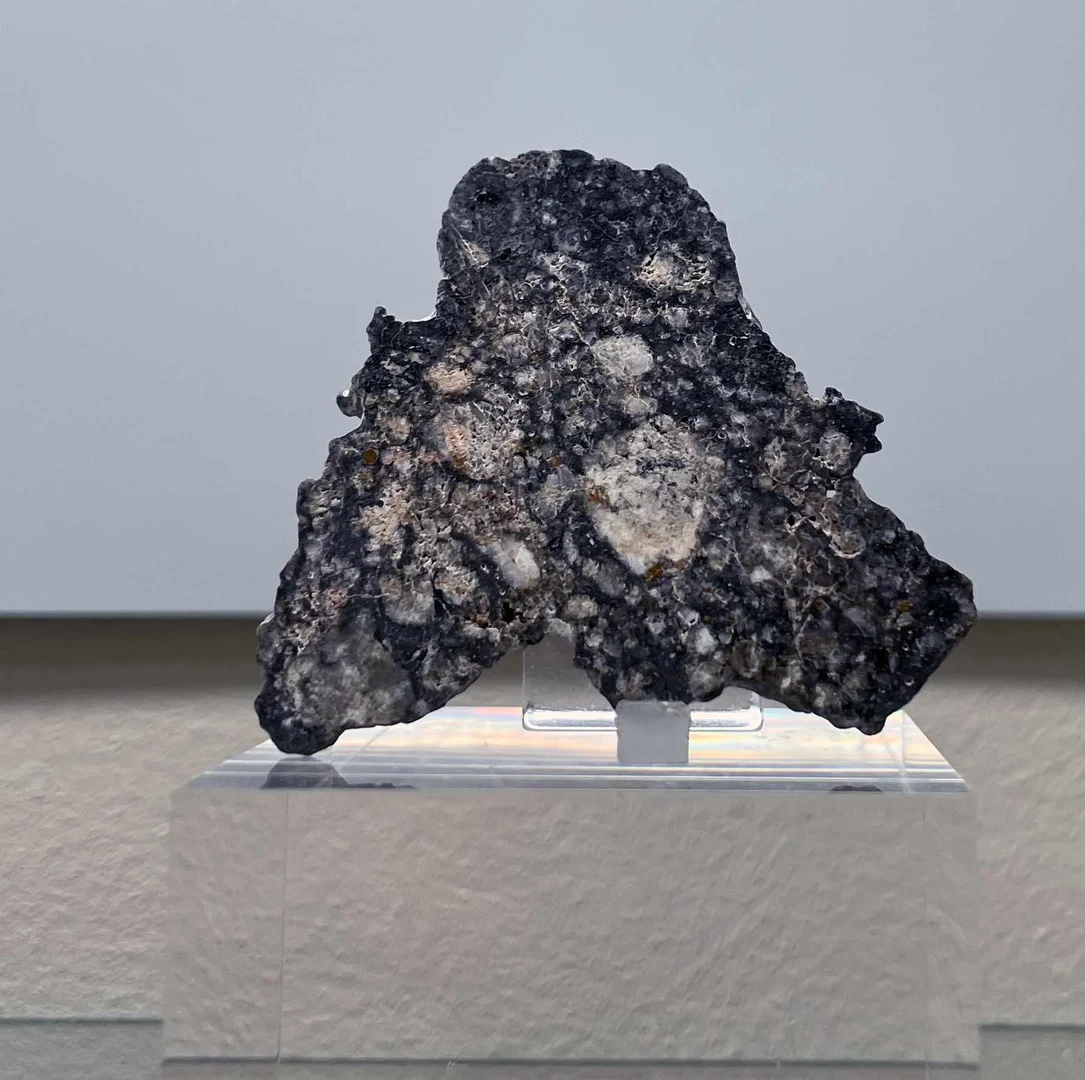
A piece of the Moon in Poppelsdorf
In addition to traveling back in time with visitors, the exhibition is also about bodies traveling great distances through space, with meteorites from the asteroid belt between Jupiter and Mars on display at the University of Bonn Mineralogical Museum. A piece of our neighboring planet, Mars, and a fragment of Moon rock are on display there as well. These meteorites, which have not traveled all that far relatively speaking, are among the rarest of finds. Moon rocks brought back to Earth by US astronauts can now be used to identify meteorites that have fallen from the Moon. “An impact caused the rock to be ejected from the Moon and out of the lunar gravitational pull,” explains Dr. Anne Zacke, Director of the Mineralogical Museum at the University of Bonn.
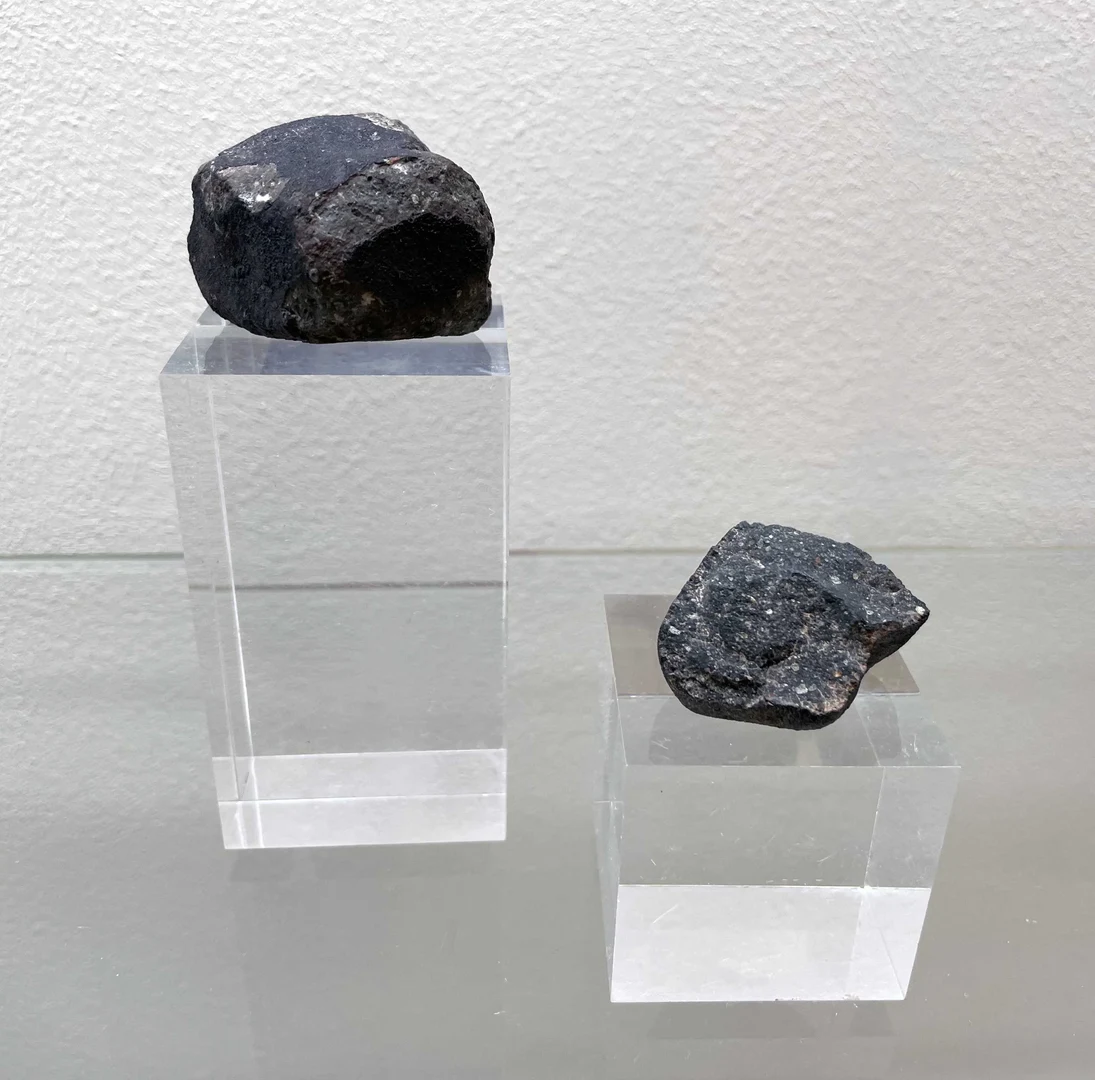
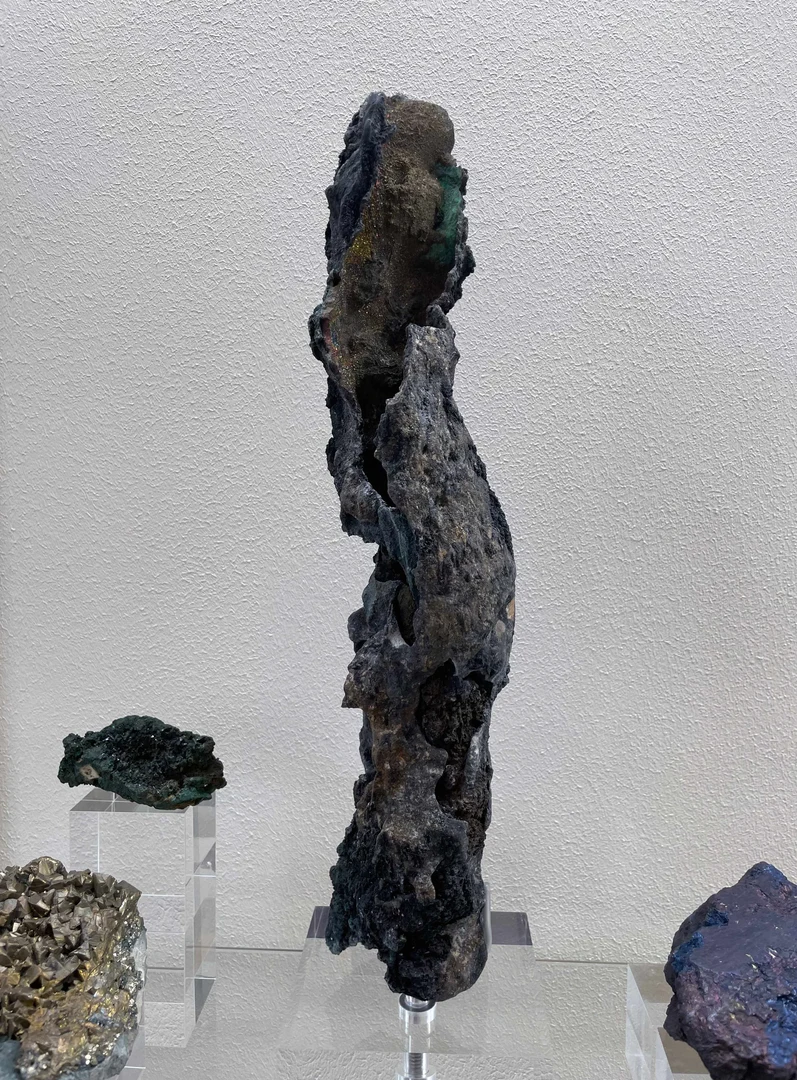
Back on earth, we embark on a geohistoric journey to every continent. The exhibition at the Mineralogical Museum features rocks from South Africa, Norway and Oman among other countries, including a tiger’s eye from Western Australia. Also on display are the Mineralogical Museum’s two oldest rock specimens called Allende and Murchison—meteorites from the time of formation of the solar system which fell to Earth in Mexico. Dated at 4.56–4.57 billion years old, they are among the oldest known meteorites.