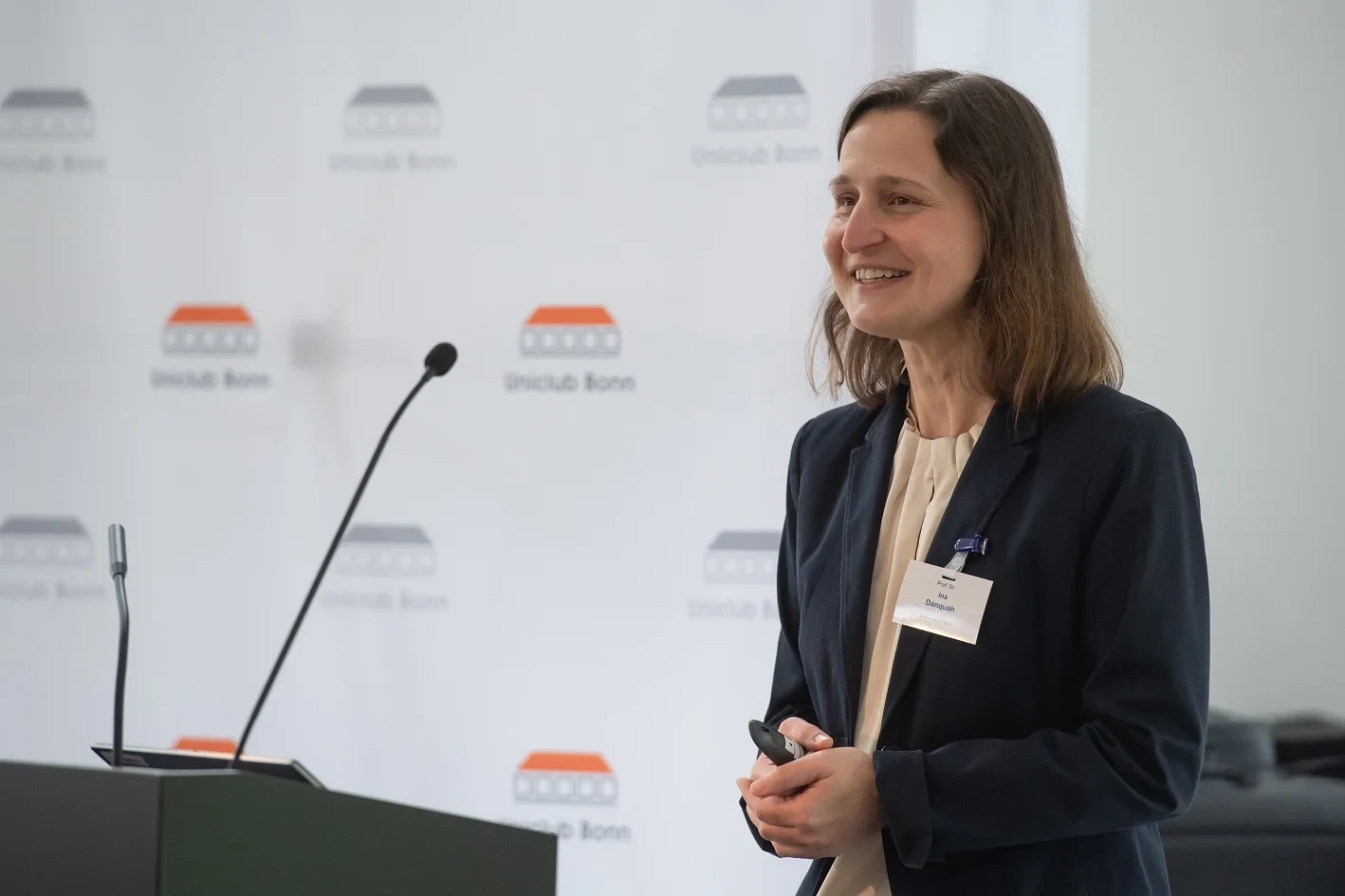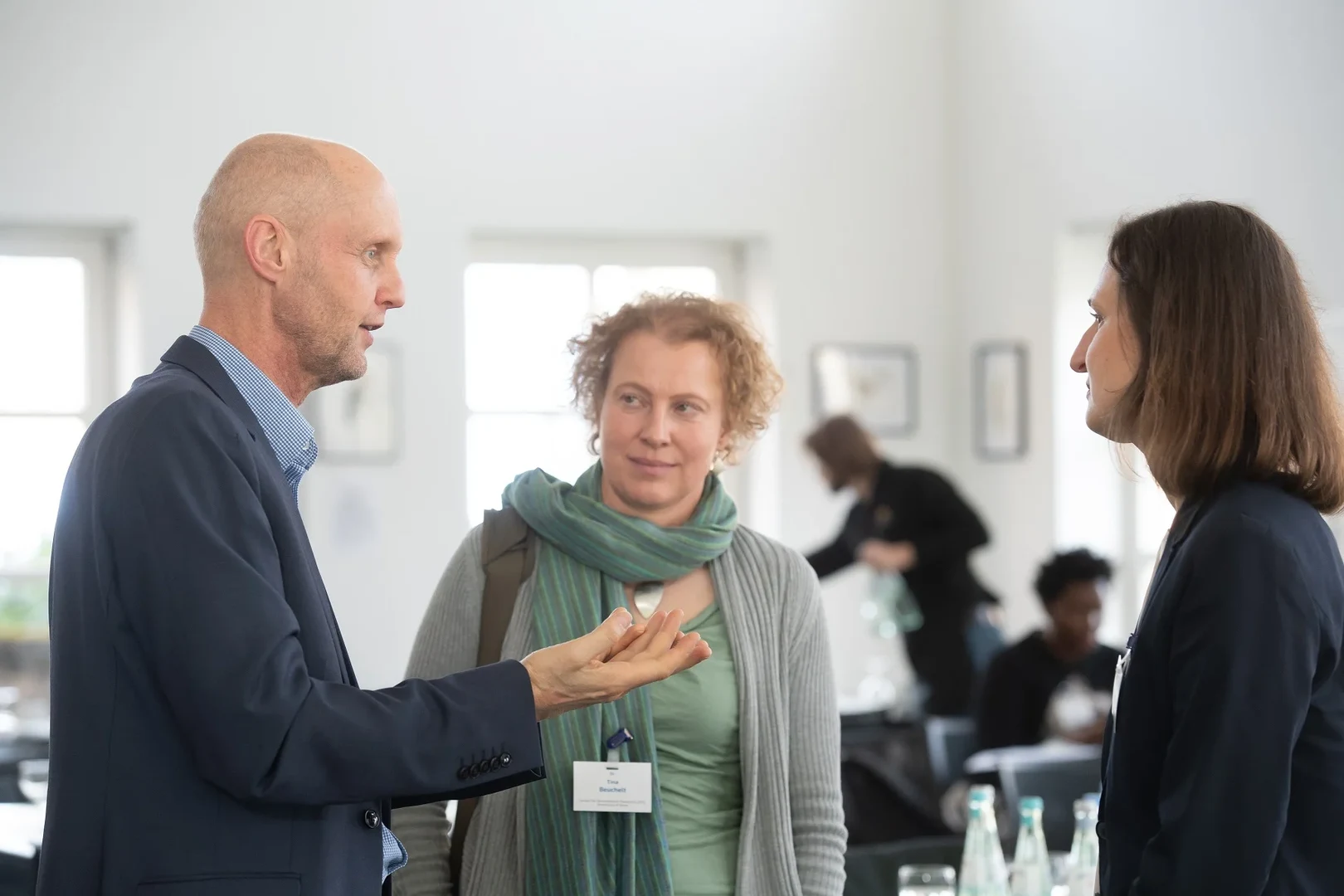


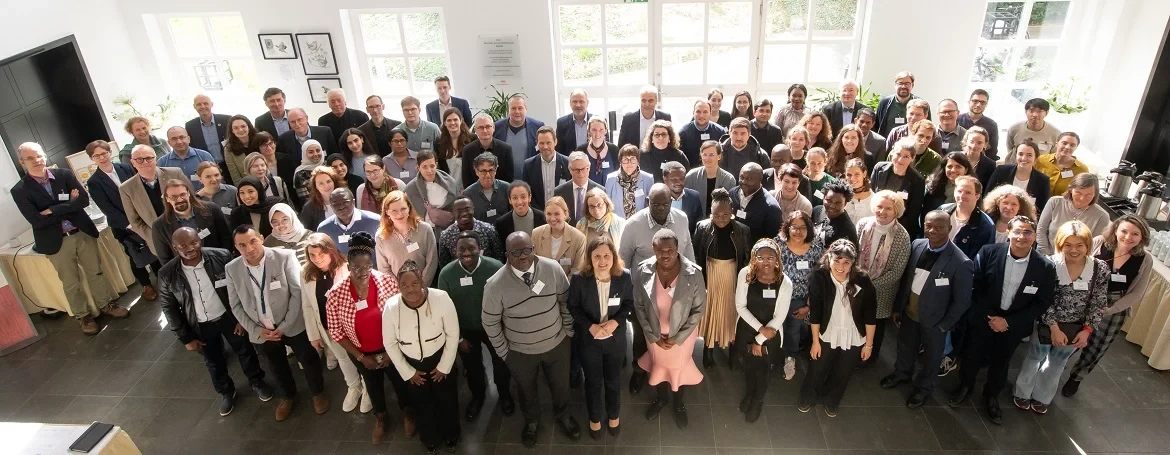
Arriving at the Universitätsclub amid lively birdsong and conversation, the guests attending the symposium on “The Role of Nutrition in Planetary Health” were buoyed by the pleasant spring weather and a mood of general anticipation. A great many researchers from Germany, Ghana, Burkina Faso, Kenya and Sweden as well as colleagues from the University of Bonn had accepted Ina Danquah’s invitation and discussed their research concept and potential transdisciplinary crossovers with the new Hertz Professor and Director of the Center for Development Research (ZEF) at the inaugural symposium.
Ina Danquah and her team are studying a holistic concept that focuses on a healthy environment, human health and the health of all living creatures on our planet and that examines the interdependencies between them. This is because, just as our eating habits influence how much greenhouse gases we emit, how much water we consume and how much land we use, the extreme weather events and variable weather conditions being exacerbated by climate change are causing various forms of food insecurity such as crop failures and nutrient deficiency. This in turn is making problems such as malnutrition even worse.
Ina Danquah and her team will be launching a prospective, multicentric, long-term observational study in sub-Saharan Africa so that they can explain these interactions between climate change, food and health in greater detail and build a global network of intervention studies that develop, implement and assess strategies for adapting to and mitigating climate change.
Everyone is gripped by eager anticipation: “I’m really looking forward to putting the things that were announced today into practice, especially setting up the multicentric cohort study at three sites in Ghana plus the intervention platform for climate change adaptation measures that we want to launch in sub-Saharan Africa,” Ina Danquah says.
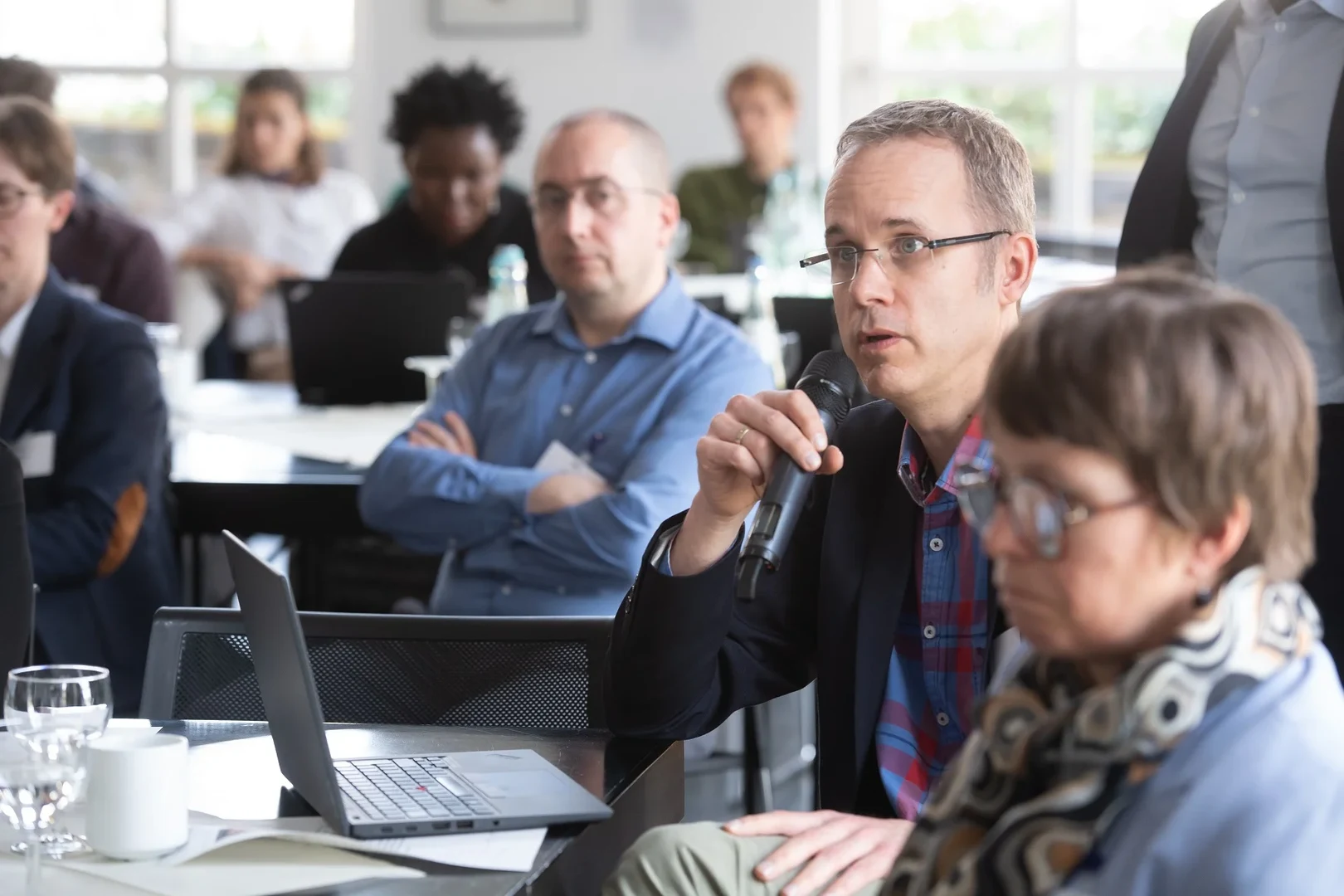
The wide-ranging nature of the factors that influence the climate, health and nutrition was demonstrated not least by the diverse program chosen for the symposium: in various sessions, the researchers discussed the roles of food production and agriculture and the influence exerted on planetary health by our dietary habits and host-environment interaction.
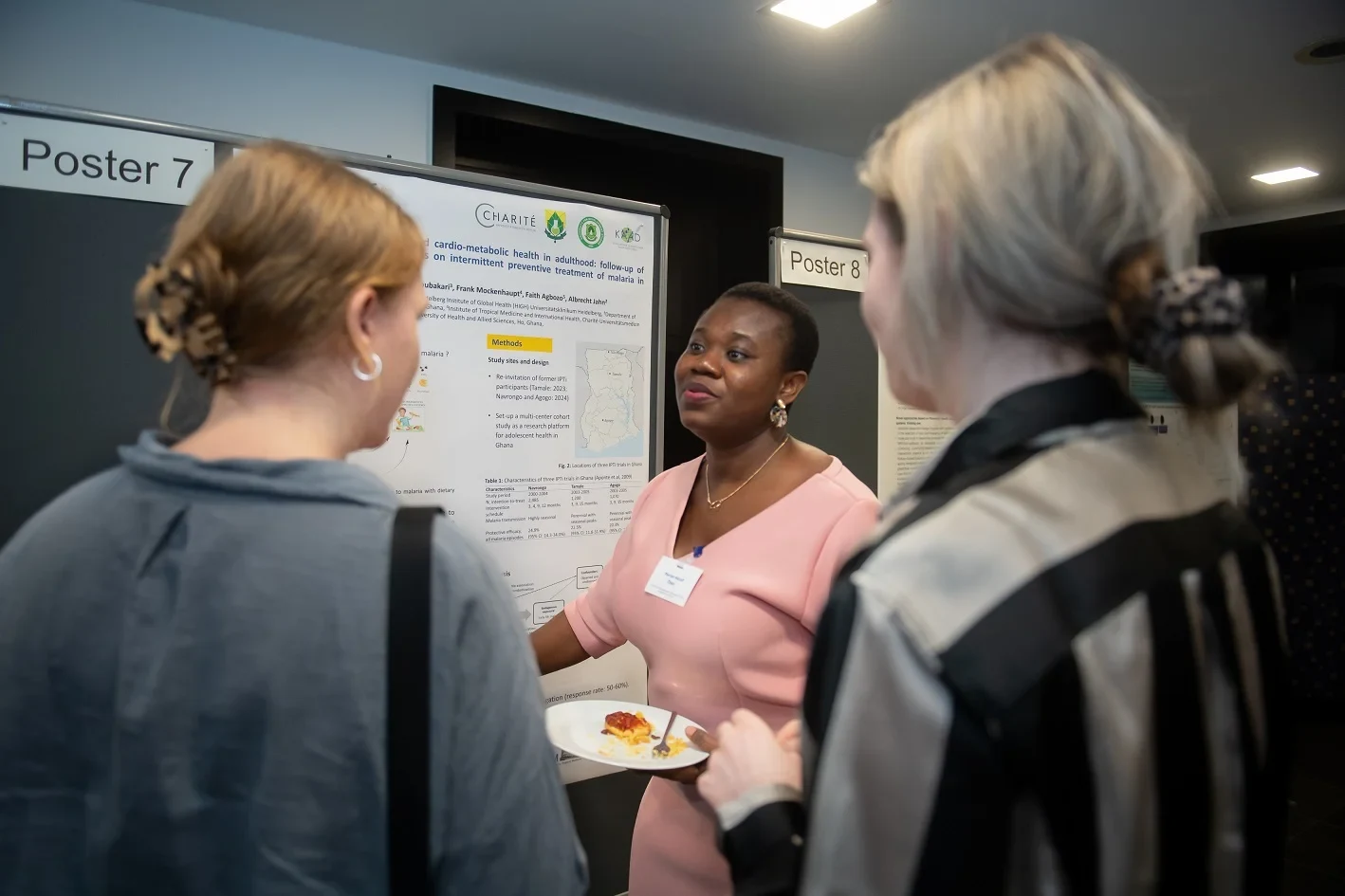
Early-career researchers also had the opportunity to present and discuss their research findings in a series of poster pitches. Topics ranged from maintaining an optimum diet, socio-demographic influences and early exposure to malaria through to cardiovascular diseases in adults and the measurable effects of a lasting lifestyle shift on overweight and obese adults.
Arriving at the Universitätsclub amid lively birdsong and conversation, the guests attending the symposium on “The Role of Nutrition in Planetary Health” were buoyed by the pleasant spring weather and a mood of general anticipation. A great many researchers from Germany, Ghana, Burkina Faso, Kenya and Sweden as well as colleagues from the University of Bonn had accepted Ina Danquah’s invitation and discussed their research concept and potential transdisciplinary crossovers with the new Hertz Professor and Director of the Center for Development Research (ZEF) at the inaugural symposium.
Ina Danquah and her team are studying a holistic concept that focuses on a healthy environment, human health and the health of all living creatures on our planet and that examines the interdependencies between them. This is because, just as our eating habits influence how much greenhouse gases we emit, how much water we consume and how much land we use, the extreme weather events and variable weather conditions being exacerbated by climate change are causing various forms of food insecurity such as crop failures and nutrient deficiency. This in turn is making problems such as malnutrition even worse.
Ina Danquah and her team will be launching a prospective, multicentric, long-term observational study in sub-Saharan Africa so that they can explain these interactions between climate change, food and health in greater detail and build a global network of intervention studies that develop, implement and assess strategies for adapting to and mitigating climate change.
Everyone is gripped by eager anticipation: “I’m really looking forward to putting the things that were announced today into practice, especially setting up the multicentric cohort study at three sites in Ghana plus the intervention platform for climate change adaptation measures that we want to launch in sub-Saharan Africa,” Ina Danquah says.
The wide-ranging nature of the factors that influence the climate, health and nutrition was demonstrated not least by the diverse program chosen for the symposium: in various sessions, the researchers discussed the roles of food production and agriculture and the influence exerted on planetary health by our dietary habits and host-environment interaction.
Early-career researchers also had the opportunity to present and discuss their research findings in a series of poster pitches. Topics ranged from maintaining an optimum diet, socio-demographic influences and early exposure to malaria through to cardiovascular diseases in adults and the measurable effects of a lasting lifestyle shift on overweight and obese adults.