

University of Bonn Human Medicine and Dentistry students in the preclinical phase of their studies (2nd-4th program-related semesters) enjoyed a wide range of elective courses to choose from again this year. Alongside medicine-related topics, courses on personal skills are also offered as part of the Bonn-Siegen cooperation program at University Hospital Bonn (UKB), including “Coping with Extreme Situations”. In this course, extreme sports athletes talk about how they deal with challenges and with failure. In addition to Joey Kelly these included mountaineer Julia Schultz, the first German to climb the highest mountains on seven continents, 2024 “Rad am Ring” winner Melina Borgmann and amateur triathlete world champion Julia Ertmer, who won the Ironman in Hawaii.
Out of the comfort zone and into the forest
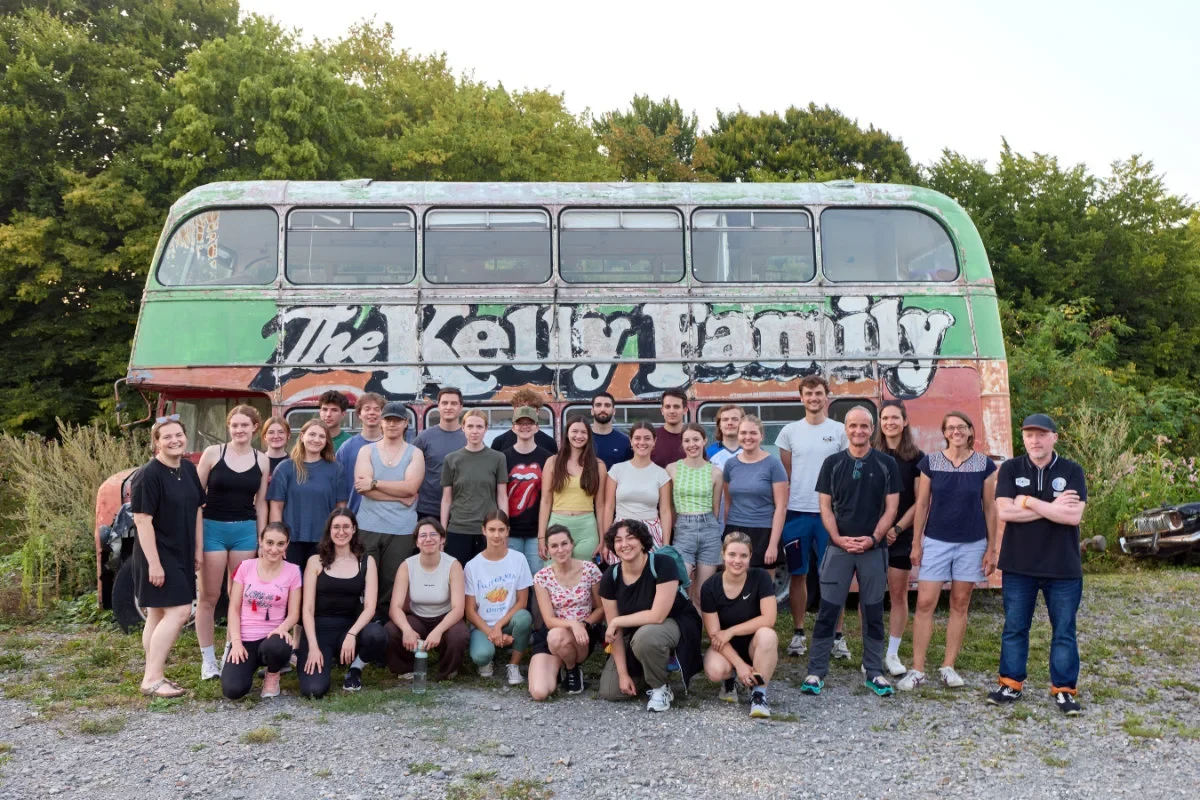
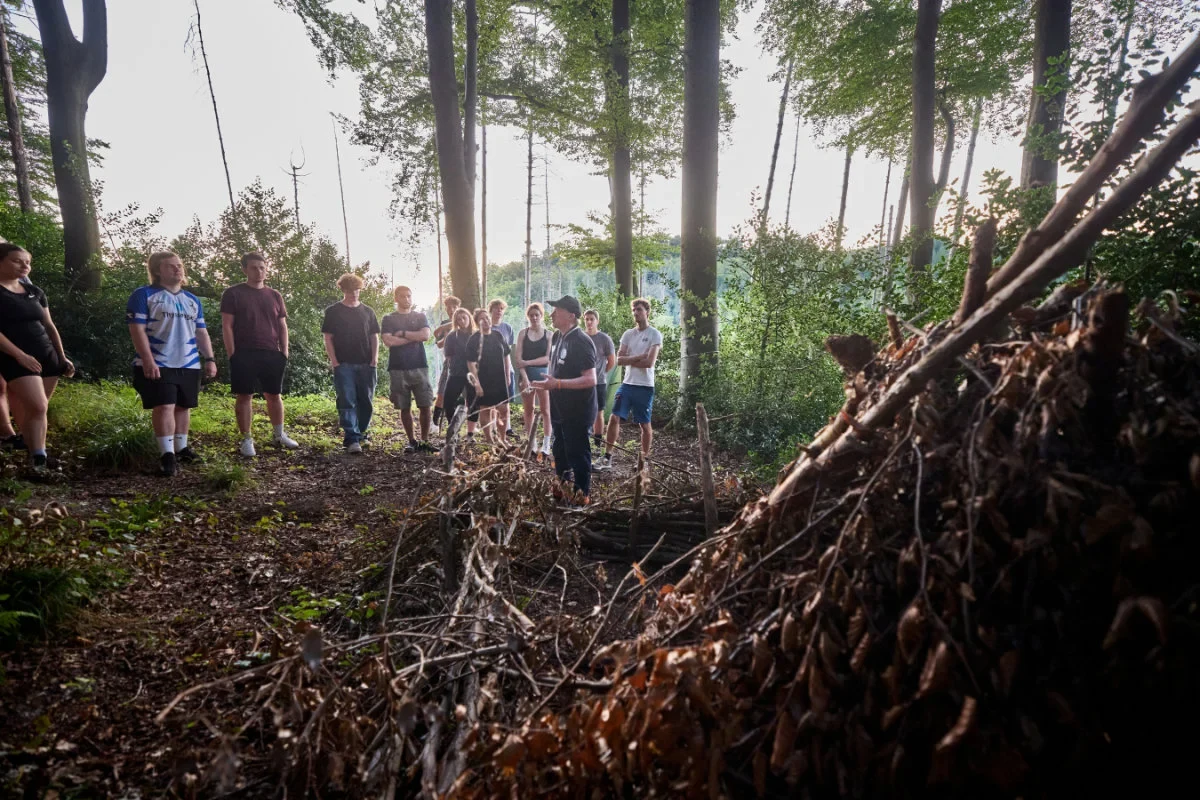
On Friday Kelly discussed his adventures with the 24 course participants in a talk titled “No Limits”, given at his home in Lohmar this year, before leading them out into the forest at night. On this twelve kilometer hike in the dark through unfamiliar territory, the medical students learned how to survive in nature if necessary. Kelly, who traversed Germany, covering over 900 kilometers in 17 days and 23 hours without any money, knows what he’s talking about when he says: “I want students to learn that not only can they get out and experience their own limits, they can push back the boundaries of what they can do.”
Valuable input for day-to-day medical practice
Professor Veit Braun, Head Neurosurgeon at Jung-Stilling Siegen Hospital and cooperation program lecturer at the University of Bonn Faculty of Medicine, explains that this is precisely what elective courses are all about: The stressful, often emotionally demanding daily routines of hospital work can take young doctors, being less experienced, to their limits. That’s why it’s important to offer courses like these as part of the degree program.”
The campfire gathering after the night hike gave students a special opportunity to consider and talk about personal strength and stress limits. The group then slept under the open sky until awakened at 5:30 am for a 5k morning run. “Sleeping rough and the talks with such incredibly impressive extreme sports athletes gave me more than I expected from the course,” said second-semester medical student Mai-Lin Gunawan. “I learned that sometimes you have to leave your comfort zone to move forward.” Fellow student Eva-Carina Kramer agreed: “I got valuable inspiration for my physician career from the elective, which compellingly demonstrated that you can push and make it through in any situation, even if things do get to be a bit much here and there.”
The elective concluded after the two days of course activities in Lohmar, but even beforehand it was action-packed, with students learning the Krav Maga self-defense system to compensate for unequal power dynamics and doing relaxation through yoga and working with fascia trigger points. Former professional athlete Andreas Klose talked about healthy nutrition and did psychological stability exercises with students, who also learned about resilience in theory and practice. “Learning to remain calm in crisis situations and self-protect against stress are just as important as learning the proper handling of patients, illnesses and instruments,” commented Professor Braun, indicating the reason for offering elective courses.
Holistic teaching: juggling, aviation ... and more
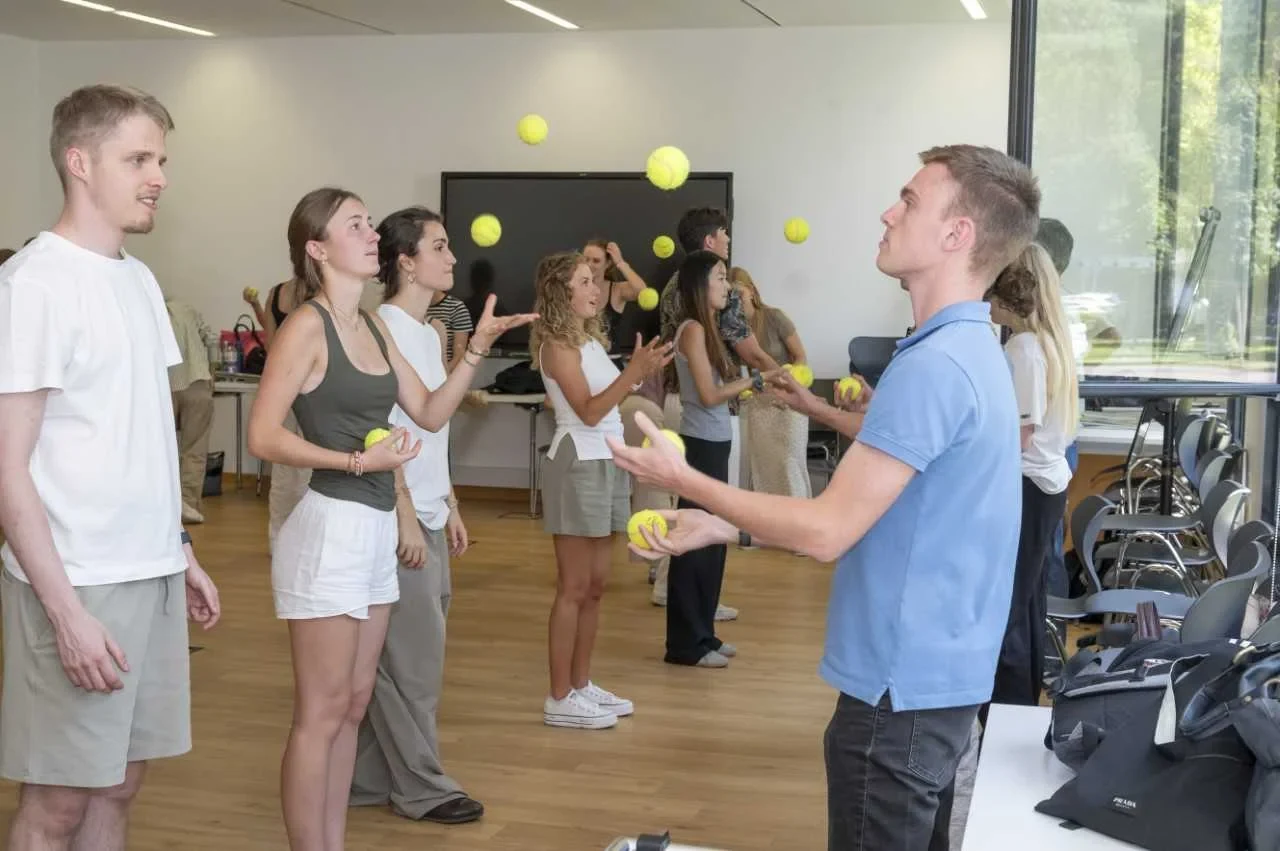
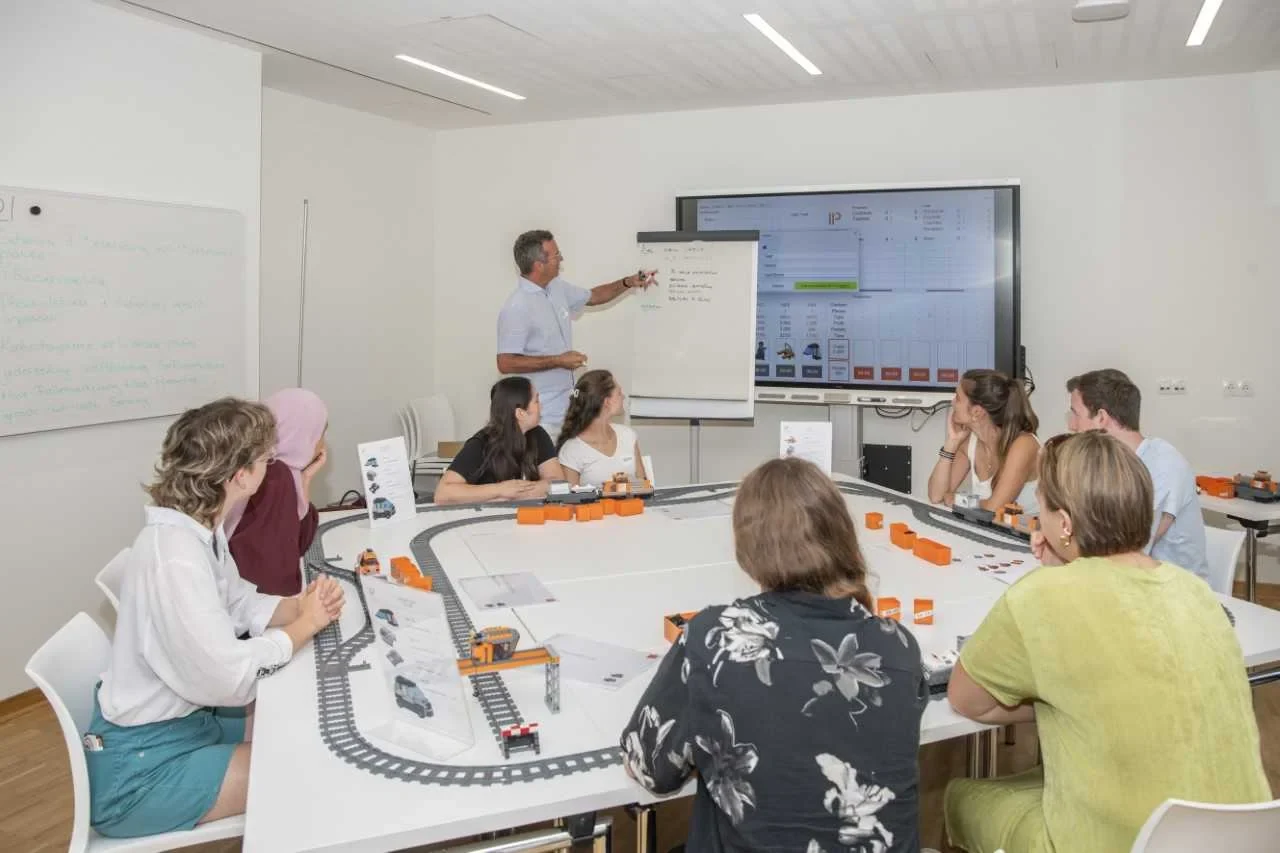
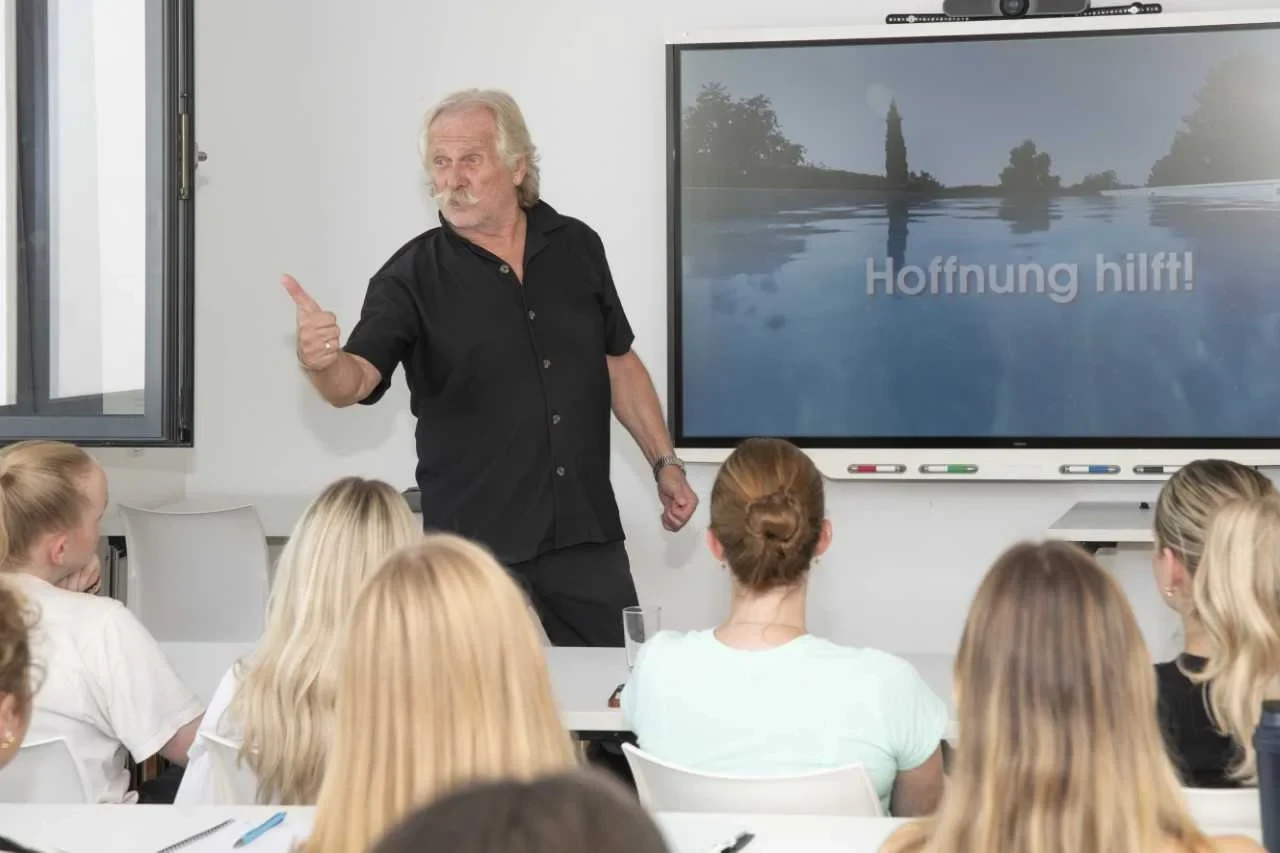
Other electives offered as part of the Bonn-Siegen cooperation concern for example the practical development of hand dexterity for medical professionals, in a course with professional juggler Thomas Dietz who trains ambidexterity with students. “This is beneficial for future surgeons, and indeed anyone working in medicine,” Professor Braun points out. Team coordination is beneficial too, as practiced with pilot Carsten Wächter and anesthesiologist Desirée Wächter, using model trains that students had to keep from colliding by working together. Translated into medical practice, all of these skills mean greater safety for both staff and patients. Patients were the focus of a talk by Henning Krautmacher, former front man of the band “Höhner”, on his wife’s medical history and the positive experiences she had as a patient at University Hospital Bonn. Krautmacher explained to students how important it is that doctors hold out hope.
About the Bonn-Siegen cooperation
The University of Bonn Faculty of Medicine has had a cooperation in place since 2018 with the University of Siegen and four clinical training partners: Siegen Hospital, Jung-Stilling Hospital, St. Marien Hospital and DRK Children’s Hospital. The partnership goal is to bring the scientific excellence of the University of Bonn out into the regional healthcare system of southern Westphalia, enhancing medical study, research and patient care in the region over the longer term. Electives taken in the early years of medical study and internship blocks at hospitals in Siegen afford University of Bonn students special insights they would not otherwise get. More info at: https://www.medfak.uni-bonn.de/en/studies-teaching/study-programs/kooperation-bonn-siegen/bonn-siegen?set_language=en