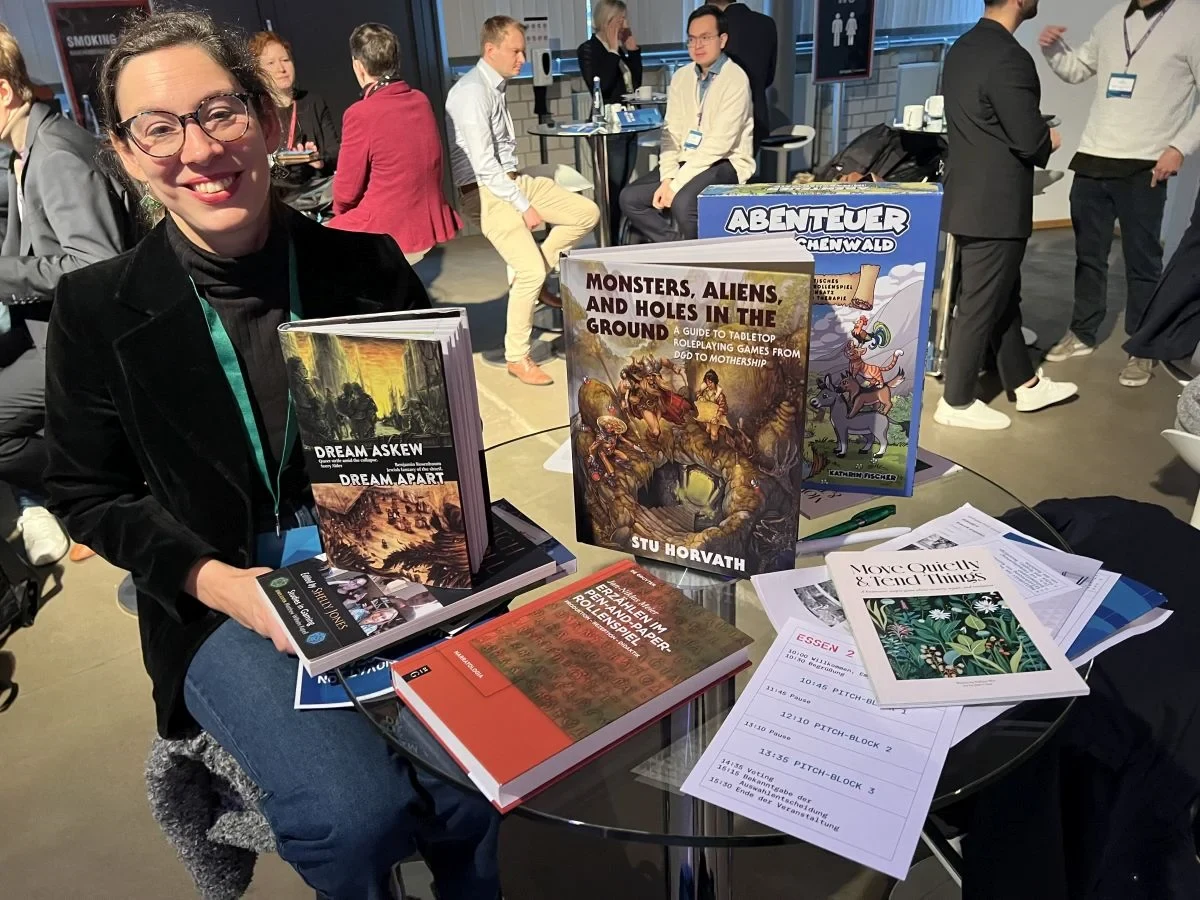


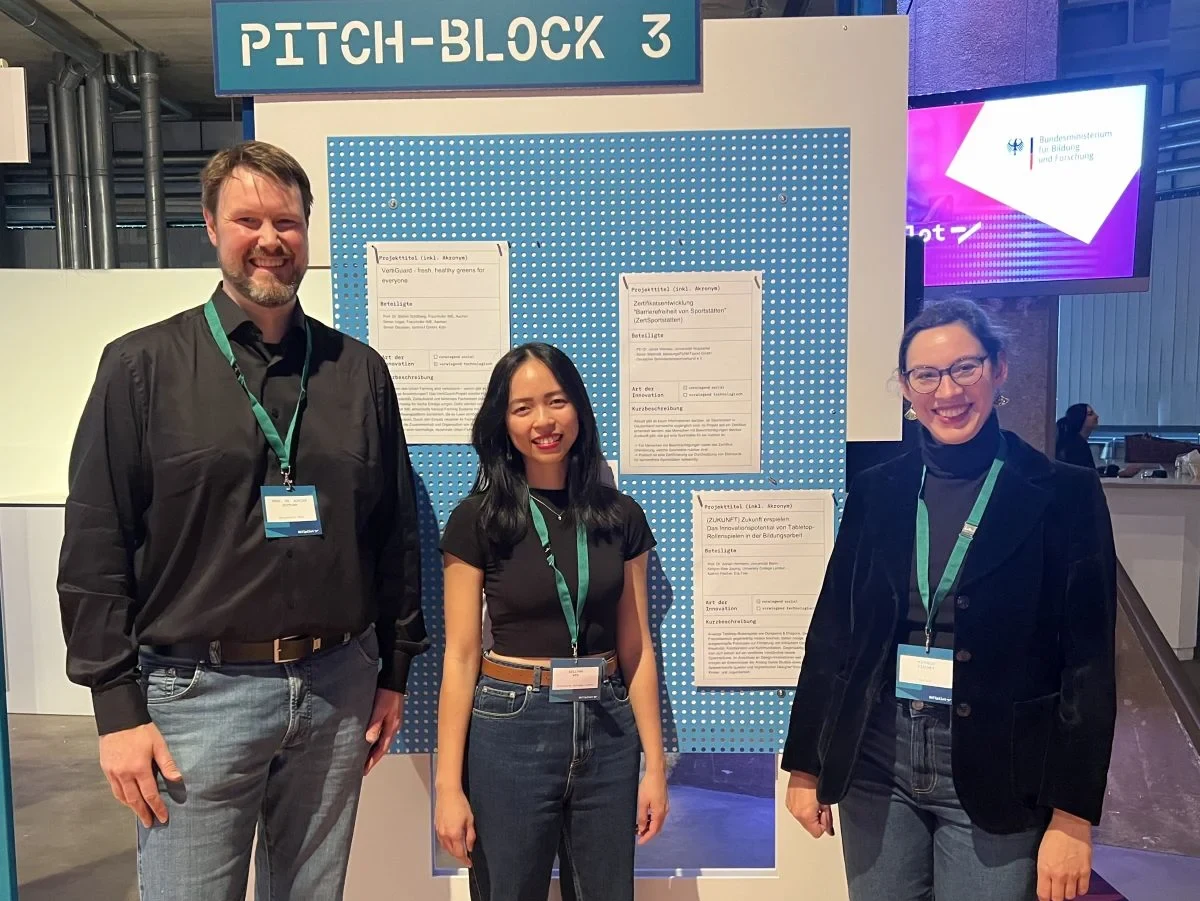
The project, whose full title is “Winning the Future: the Innovative Potential of Tabletop Roleplaying Games in Education,” is all about these kinds of analogue games, where players adopt various roles. The game is built around the shared experience of a story—usually an adventure, as with the classic Dungeons & Dragons—in which all the players have the chance to improvise and interpret the characters that they are playing in their own unique way. “Considering the use of analogue roleplaying games in education opens up some completely new possibilities for us,” explains Professor Adrian Hermann, who is also a member of the Individuals and Societies Transdisciplinary Research Area (TRA). “If they’re designed accordingly, these games can improve key skills such as critical thinking, creativity, collaboration and communication.” The fact that the project is closely linked to current events is also reflected in what prompted it in the first place: “We’re responding to the challenges facing young people in Germany—both those with and without a migration background—and, though our innovative method, are teaching core competencies that will be essential for our society in the future. Analogue roleplaying games put the focus on dialogue and on direct, face-to-face interactions, increase people’s chances of participating and encourage them to reflect on processes that shape identity and build communities.”
Professor Hermann is being supported in his work by Kathrin Fischer, who specializes in designing tabletop roleplaying games for use in therapy, business and school settings with her company EduTale. “Games like these allow groups of learners to engage actively and critically with some of the issues currently affecting society, like racism, sexism and colonialism,” she explains. “They get the chance to see things from a new angle and are encouraged to imagine new worlds and futures.” The creation of the new tabletop roleplaying game is being accompanied by co-creative workshops, i.e. trials involving the people who will ultimately be playing the game. These offer an opportunity to incorporate valuable feedback and optimize the game experience.
Transferring research into practice
Once it is complete, the new roleplaying game is to be made available to educational institutions such as schools, libraries and youth clubs on as broad and accessible a basis as possible. “This concept of transfer, i.e. taking a product that’s based on research and preparing it for public use, is key to this project and to the DATIpilot ‘Innovation Sprint’ grant in general,” adds Dennis Daseking, Deputy Head of the enaCom Transfer Center. “We’re looking forward to continuing to support the team with our entrepreneurship expertise and thus giving a boost to the professional game development scene in Bonn.”
About the DATIpilot “Innovation Sprints”
The “Innovation Sprints” allow researchers to trial a creative transfer or innovation idea or develop it further. The grant lasts for up to 18 months and is designed to help turn research findings into practical applications. Projects that seek to solve the challenges of our times while adding value for society are considered to be especially worthy of funding. “Winning the Future” was one of 300 projects to be chosen out of a total of 3,000 submissions. The “Innovation Sprints” are being funded by the BMBF as part of the DATIpilot measure in the context of setting up the new German Agency for Transfer and Innovation (DATI).