


Teaching
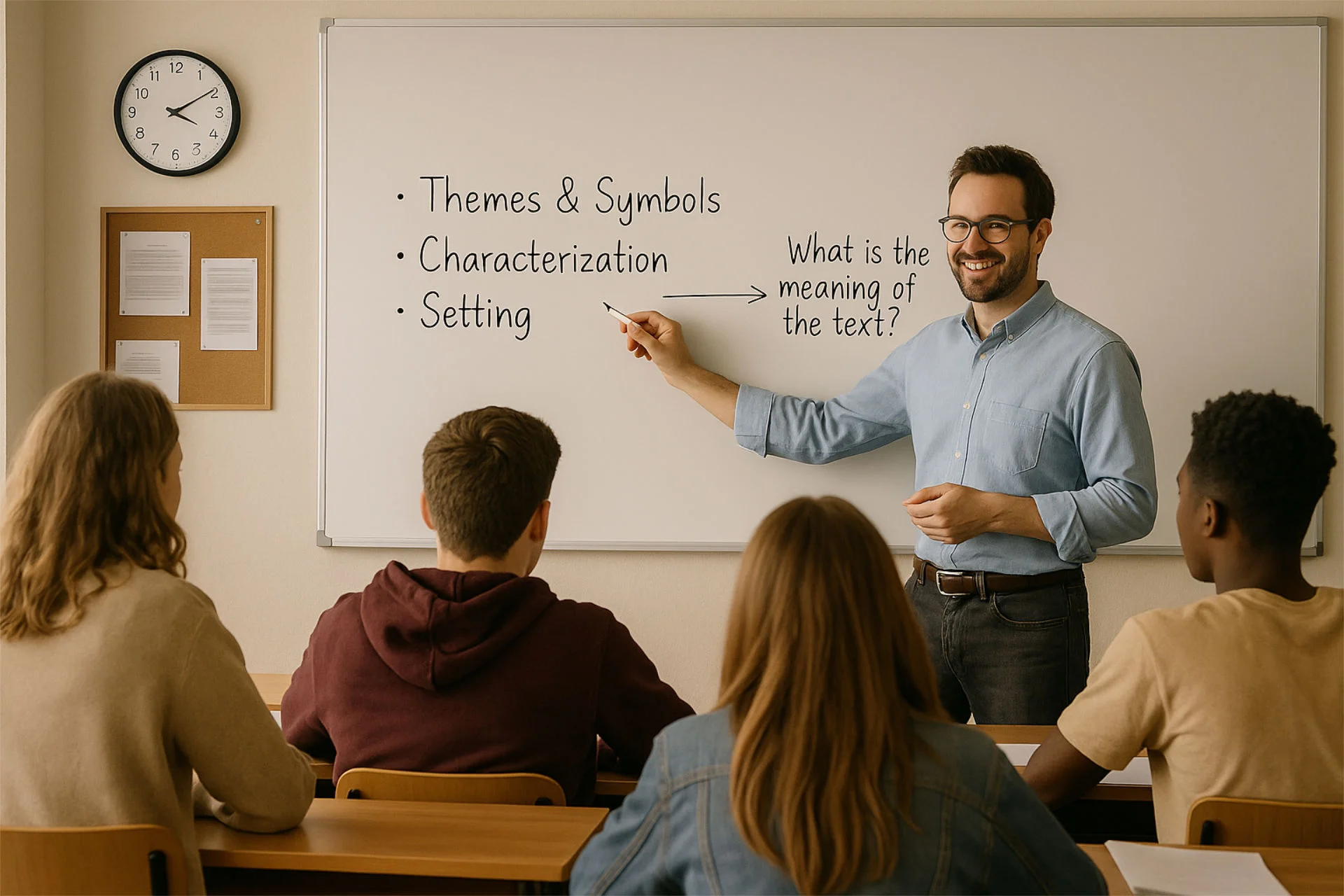
Teaching as a field of study involves pedagogy, didactics and the exploration of innovative learning methods. Creative approaches and modern technologies are utilized to train the next generation of teachers trained to design lessons and lead classes. There are wide-ranging, substantial opportunities to shape the future of education, such as through digital, inclusive learning and interactive teaching methods.
Field of Study - Teaching
Bild © Universität Bonn / YouTube
What is it all about?
Teaching degree programs for secondary schools involve pedagogy training and learning of subject-specific content. In addition to their two chosen teaching subjects, students acquire in-depth knowledge in education science, didactics and school law. The degree programs include practical phases so that students can gain insights into actual day-to-day school life at an early stage. The programs are designed to qualify students for the demanding profession of teaching, which requires specialized professional skills, social competency and pedagogical talent. Teachers play a role in determining education processes and realizing the potential of the individual while assuming social responsibility. Teaching degree programs prepare students for the key role they will play within the education system as a mediator of knowledge, values and career opportunities.
What would the world be like without...
...teaching degree programs?
-
Without teaching degree programs there would be no teachers qualified to impart knowledge, values and social skills to future generations. Education would be less structured and there would be insufficient knowledge about pedagogy, didactics and learning processes.
-
Without trained and educated teachers, children and young people would not be able to develop their abilities within a supportive school environment. Education is key to innovation, integration and social mobility, thus society in general would furthermore suffer from stagnation. Additionally, the teaching of critical thinking and ethical values in schools would be more difficult.
-
In short, without teaching degree programs, the foundations would be missing for an informed, just and progressive society.
What relevant occupations and career paths are there?

e-Learning specialist

Educational publishing staff

Teacher

Educational researcher

School principal
- Education & teaching
- School management and development
- Adult education
- Educational counseling
- Teaching materials development
- Educational research
- Didactics and curriculum development
- School oversight and educational administration
- Education staff development
- e-Learning, digital education
- Publishing (educational media)
- Political education and public relations
- Quality management at educational institutions
- Education planning and management
- Corporate training and continual education seminars
- Remedial language support and integration services
- Coaching and supervision in education
- International educational work
- Museum pedagogy
What skills will I need? What are the prerequisites?
Personal interest in your chosen subjects
Having a major personal interest in your chosen teaching subjects and in pedagogy and didactic are essential.
Good communication skills
Good communication skills are crucial, forming the basis for successful teaching.
Social competency
A high level of social competency is also necessary to enable the teacher to respond to different learning needs and styles.
Organizational and teamwork ability
Organizational skills and teamwork ability are necessary in designing lessons and collaborating with colleagues.
Familiar with digital media
Familiarity with digital media as a user and a willingness to continuously learn are important components for success in the teaching profession.
Patience and empathy
Patience and empathy are key personal qualities in order to succeed in the role of teacher.
Where would I be studying?
Contact
Central Study Advisory and Counseling Service
The Central Study Advisory and Counseling Service (ZSB) is the first point of contact at the University of Bonn for all questions relating to studying.
Further information
Study Orientation and Getting to Know the University of Bonn
The University of Bonn offers diverse opportunities for school students of various ages to get to know the University. Our programs cover the full range from children’s university and science races to university-preparatory events. We offer academic guidance and support to upper-level high school students and other prospective students, for instance by helping them to review their individual readiness for university and by providing insights into the realities of university study. Workshops, information events and one-on-one counseling sessions give prospective students the opportunity to reflect on issues related to what lies ahead in terms of university and career choices.