

The Institute for Archaeology and Cultural Anthropology at the University of Bonn is expanding the range of its work and research with the addition of the archaeological sciences (“archaeosciences”), which study both prehistorical and historical contexts. At the University of Bonn, archaeologists, historians, biologists and chemists from several faculties will all be contributing their expertise to the subject. This is being made possible thanks to the BoCAS, which combines the archaeological sciences and the humanities as well as field and laboratory work in a new format that is the only one of its kind in North Rhine-Westphalia. A collaborative teaching and research unit for scientific applications in archaeology, the BoCAS will be receiving about €1 million in funding from the Volkswagen Foundation over the next six years as part of its “World Knowledge – Structural Support for ‘Rare Subjects’” grant program. Professor Jan Bemmann, Professor Martin Bentz and Professor Nikolai Grube are the speakers for the BoCAS and submitted the successful proposal for it.
The BoCAS and its units are intended to serve as a University-wide hub for bringing all the archaeological disciplines together with the natural sciences and to link the Faculty of Arts, the Faculty of Mathematics and Natural Sciences, the Faculty of Medicine and the Faculty of Agriculture by supporting interdisciplinary research. The BoCAS will also build a bridge between the Life and Health and Present Pasts Transdisciplinary Research Areas and with the Bonn Center for Dependency and Slavery Studies (BCDSS) Cluster of Excellence as well as seeking to work together with museums, other research institutions and universities in the Rhine region, across Germany and abroad.
Wide-ranging priorities for research
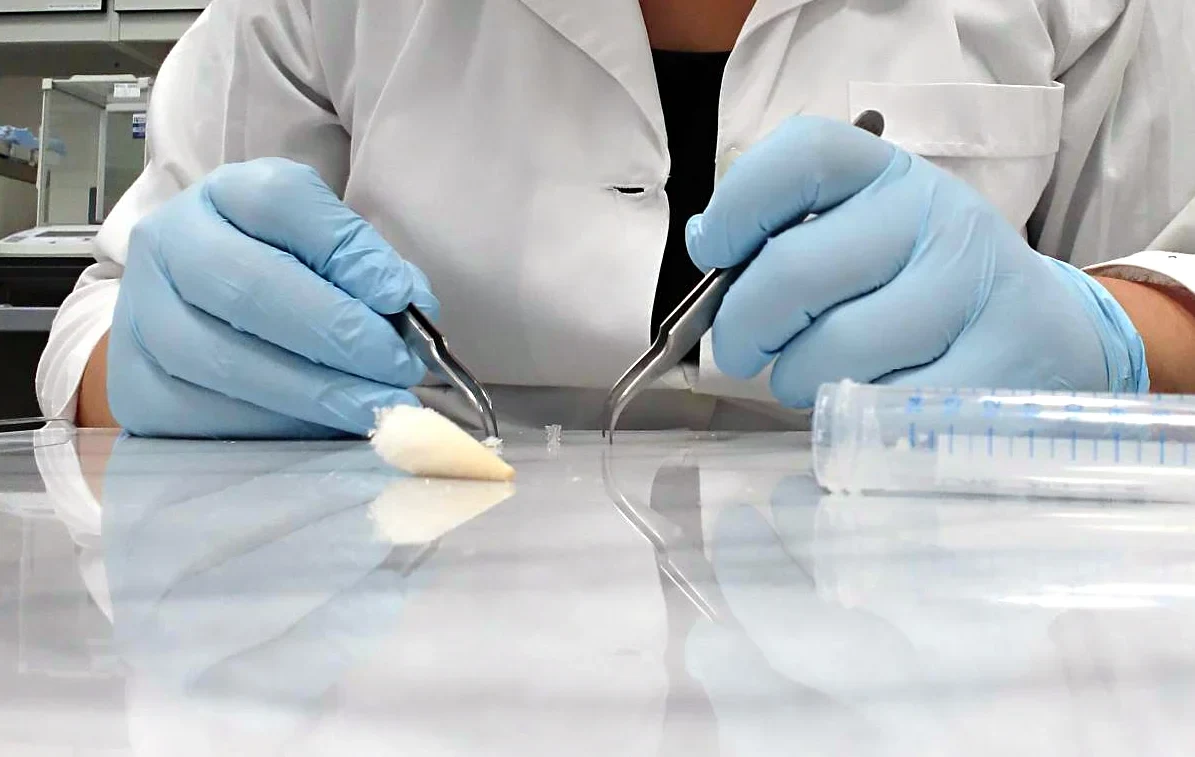
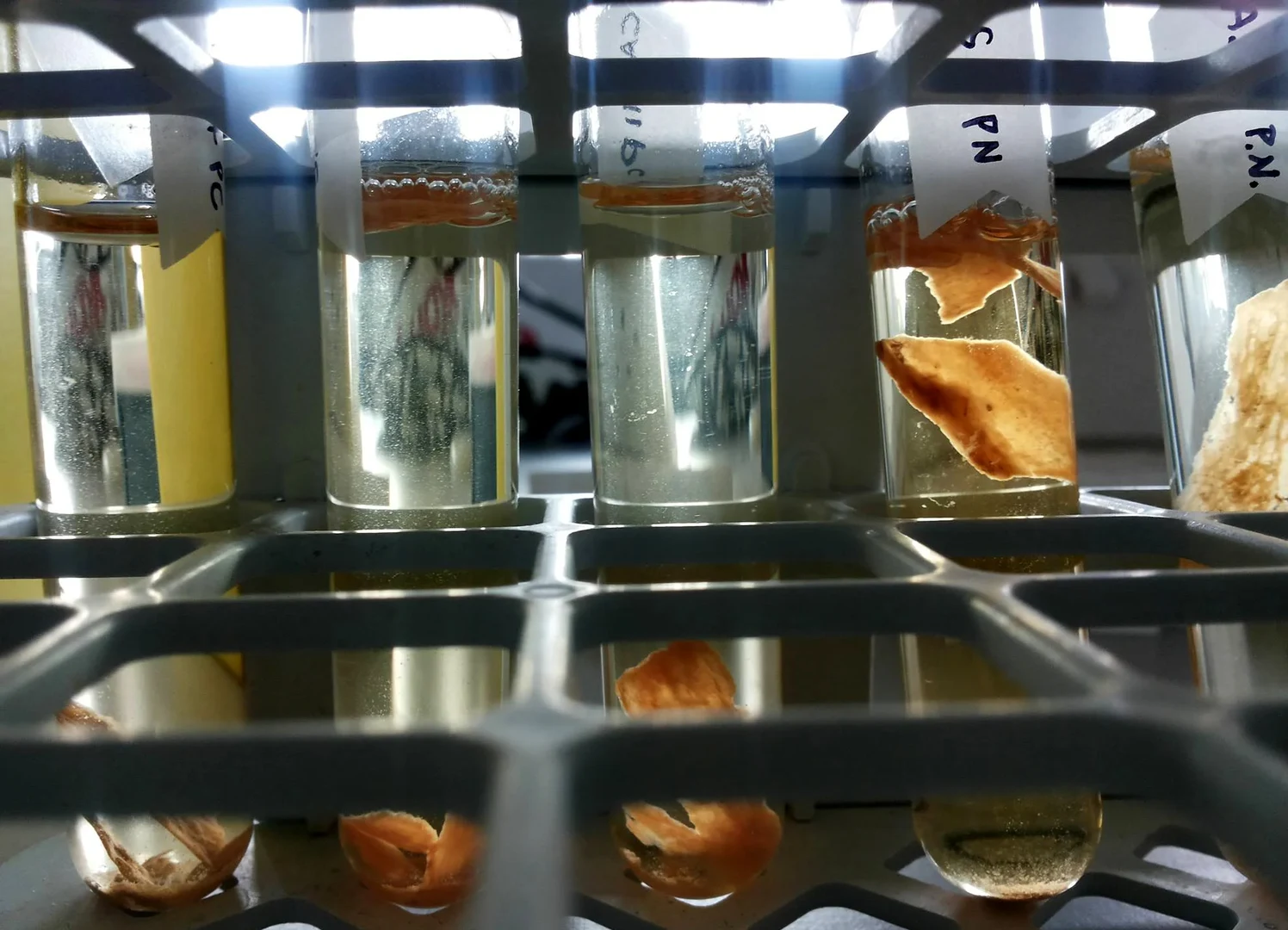
In methodological terms, the BoCAS will focus on bioarchaeology and, in particular, on combining new molecular approaches—such as stable isotope analyses—with traditional morphological methods such as human osteology, i.e. the study of human bones. A number of relevant field projects in Brazil, Mongolia and the Rhineland have already been launched. New modules in bioarchaeology and geoarchaeology have been designed for the bachelor’s and master’s degree programs already in place, while the existing archaeoinformatics courses are being expanded and efforts made to set up an overarching master’s degree program in Archaeosciences.
The research area is under development and consists at present of Assistant Professor Alice Toso and Dr. Eva Rosenstock, the BoCAS’s coordinator. The team will be supplemented in the near future by an additional professorship plus several student assistants. The BoCAS currently has laboratory and office space at its disposal in the AVZ III building at Römerstraße 164.
Information:
https://www.vfgarch.uni-bonn.de/de/bocas
http://portal.volkswagenstiftung.de/search/projectDetails.do?ref=96807
Media contact:
Dr. Eva Rosenstock
BoCAS Coordinator
Phone +49 228 73-6352
Email: e.rosenstock@uni-bonn.de